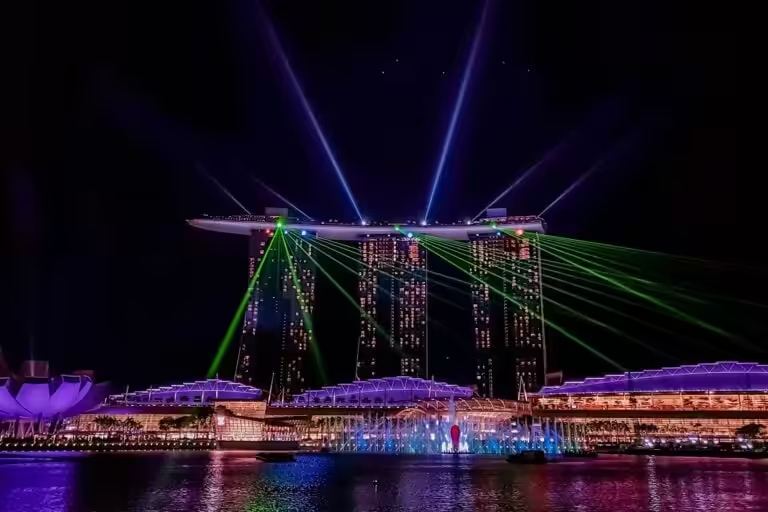
There is a unique magic to a Singapore evening. Whether it is the acoustic covers drifting through Clarke Quay or the raw energy on Orchard Road, the street culture here adds a deep sense of relaxation to the city.
For our musically gifted readers, this vibe is inviting. It feels natural to want to uncase your guitar and add your own sound to the mix. If you are an aspiring busker, it’s important to know that there are specific steps and regulations you must follow before performing in public.
However, Singapore is not the place for impromptu performances. The city’s famous orderliness comes from strict enforcement, and crossing a regulatory line can instantly turn a relaxing vacation into a stressful legal situation.
While we encourage you to enjoy the show, performing is a different story. We are here to guide you through the specific boundaries so you can soak in the atmosphere without the worry of a fine.
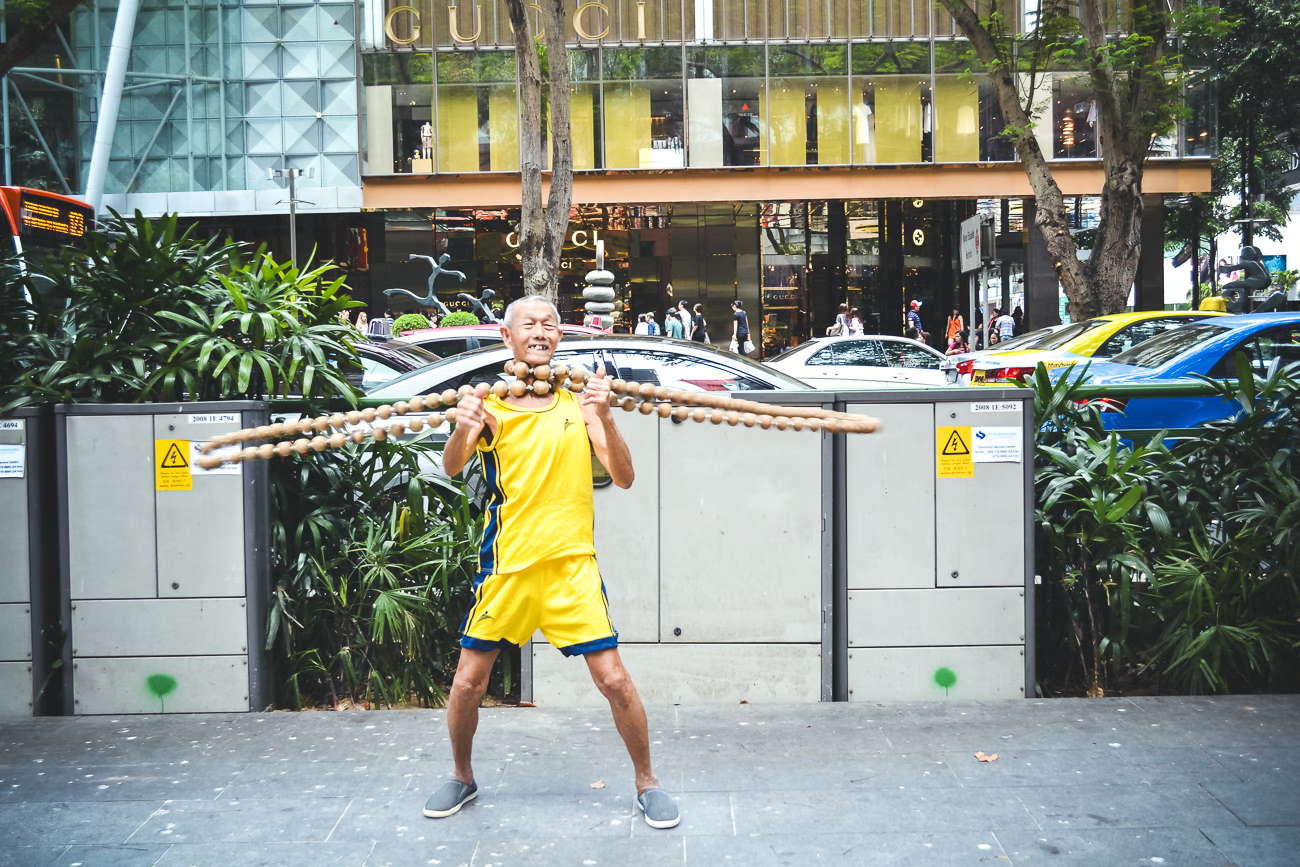
Understanding Singapore’s Official Busking Scheme
The high-quality performances you see on the streets are not random acts of spontaneity; they are part of a regulated Busking Scheme managed by the National Arts Council (NAC).
Busking acts generally fall into three art form categories: Music, Street Theatre, and Visual Arts. For Music, examples include solo singing acts, a capella groups, and performances with live music accompaniment. Street Theatre includes acts such as juggling, mime, dance, acrobatics, and magic. Visual Arts includes drawing, portraits, caricatures, and other creative activities. These three art form categories define the types of performances permitted under Singapore’s busking scheme.
All aspiring buskers, including new buskers and busking groups, must register for a busking audition, where audition slots are limited and fill quickly during each audition cycle. During the busking audition, performers are assessed not only on their technical skills but also on their audience engagement, which is crucial for qualifying for a busking card. Experienced buskers with at least 2 years of street performance may have different requirements or longer permit validity periods.
After the audition, successful performers are notified of their audition results. Those who pass receive a busking card, which endorses the performer and serves as a valid busking card for legal street performance at designated public locations. The busking card online application and renewal process is managed through the busking e-service portal, which also allows buskers to book locations, share performance times, and manage their permits efficiently.
Many successful buskers operate as independent artists or full-time buskers, often without formal business registration. This flexible, self-employed model allows many successful buskers to thrive in Singapore’s vibrant street performance scene.
To maintain the city’s relaxed and orderly vibe, the government effectively “curates” the street culture. Every legal busker you see has passed a mandatory live audition in front of a panel of judges. This rigorous screening ensures that the entertainment meets a specific quality standard—preserving a comfortable “7/10 or 8/10” experience for the public.
Successful applicants receive a Letter of Endorsement (LOE), which serves as their license. This is not a free-for-all; buskers must use an official portal to book specific locations and time slots, ensuring no two performers clash and noise levels remain pleasant.
For the Tourist: The Hard Truth
For our musically inclined readers visiting on a standard tourist visa, the regulations are strict. This license is generally reserved for Singapore Citizens, Permanent Residents, and Long-Term Pass holders (such as those on an Employment Pass). International students with a valid Student Pass must also obtain a recommendation letter from their educational institution to be eligible for a busking license.
There is no “day pass” or temporary permit for travelers to perform. If you do not hold a valid residency visa, you are legally ineligible to audition or perform.
Travelers should verify Singapore’s strict public entertainment licensing before unpacking their instruments to prevent unintentional violations.
The Strict Ban on Performing for Money
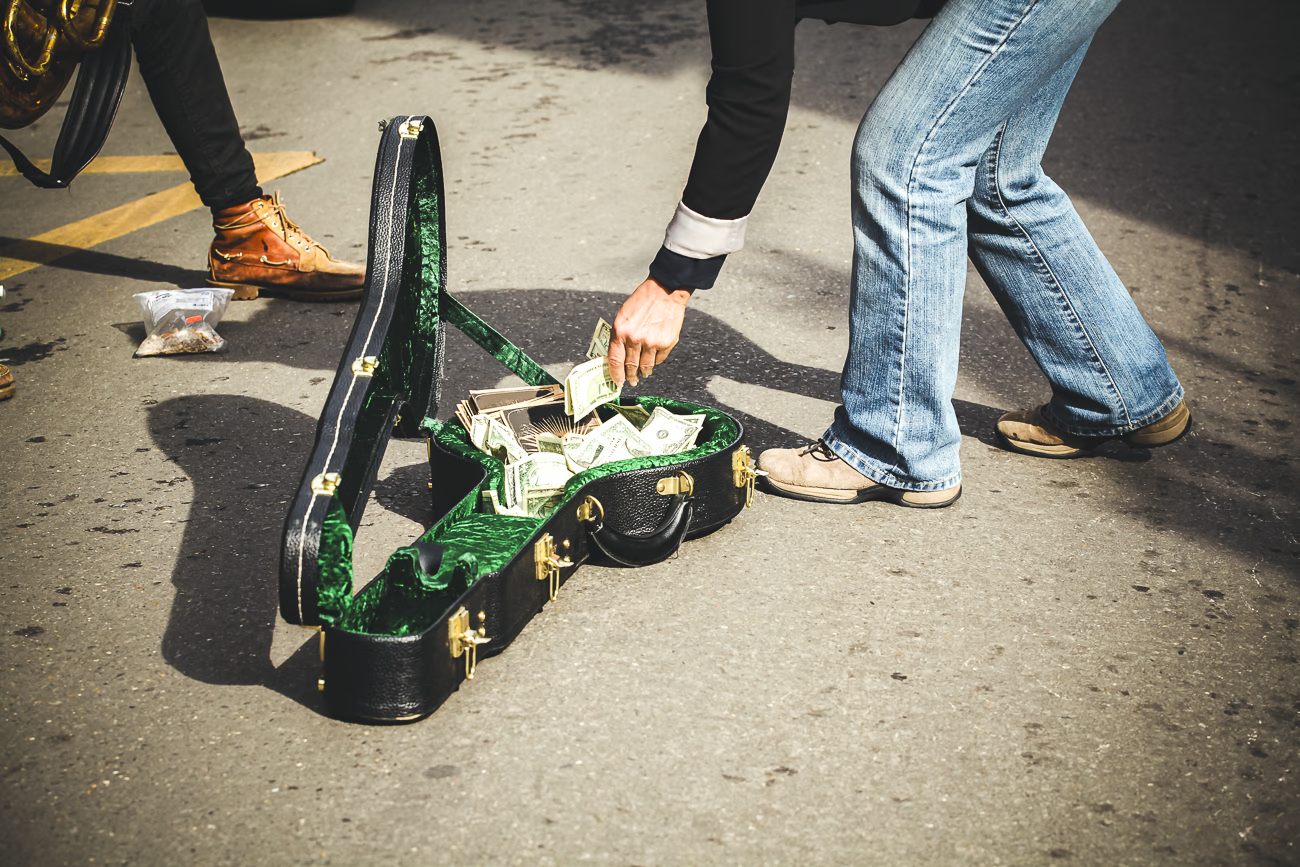
Performing for money without a valid license is strictly illegal and is considered a serious offense under the Public Entertainments Act. While some cities might tolerate “grey area” busking, Singapore’s authorities draw a very clear line.
To ensure your trip remains stress-free, it is crucial to recognize the three common “traps” that can inadvertently classify you as an illegal performer:
The Cost of Non-Compliance
The consequences are severe. Under the Public Entertainments Act, offenders can be liable for a fine of up to SGD$20,000.
For a traveler seeking a comfortable and luxurious escape, a police interaction and a potential five-figure fine are the ultimate disruptions. It is simply not worth risking the peace of your vacation for a few dollars.
Did You Know? It’s Not Just Music
These strict regulations apply to every art form—including music, visual arts, and street theatre—covered under Singapore’s busking scheme. Whether you are sketching portraits for tips, performing magic tricks, acting as a “living statue,” or doing a mime act, you are subject to the same licensing requirements for all busking activities. In the eyes of the law, selling a sketch on the street without a license is treated the same as performing an unauthorized concert—and carries the same potential fine. Selling music CDs is also prohibited as part of busking activities.

Playing for Fun: The Recreational Exception
Playing music strictly for personal enjoyment is generally permitted in Singapore’s public parks and open spaces, provided no money is solicited and no public nuisance is created.
For the traveler seeking a recharge, this is the sweet spot. Imagine finding a shaded corner in the Singapore Botanic Gardens, unpacking a picnic, and strumming a guitar while your companions relax on the grass. This type of low-key, “for the soul” performance aligns perfectly with our vision of a Garden City and is a wonderful way to unwind.
However, to keep this experience stress-free, you must adhere to these rules that separate a “hobbyist” from a “lawbreaker”:
There are no specific age restrictions for recreational playing in public spaces, but parental supervision is advised for younger children.
Where to Watch the Best Street Performances
Singapore’s vibrant busking community plays a key role in creating the city’s lively street culture, bringing music, art, and performance to public spaces across the island.
Since obtaining a license is likely off the table, the best way to engage with Singapore’s music scene is to sit back and enjoy the show. The city’s licensed buskers are highly skilled, and finding them is easy if you know where to look.
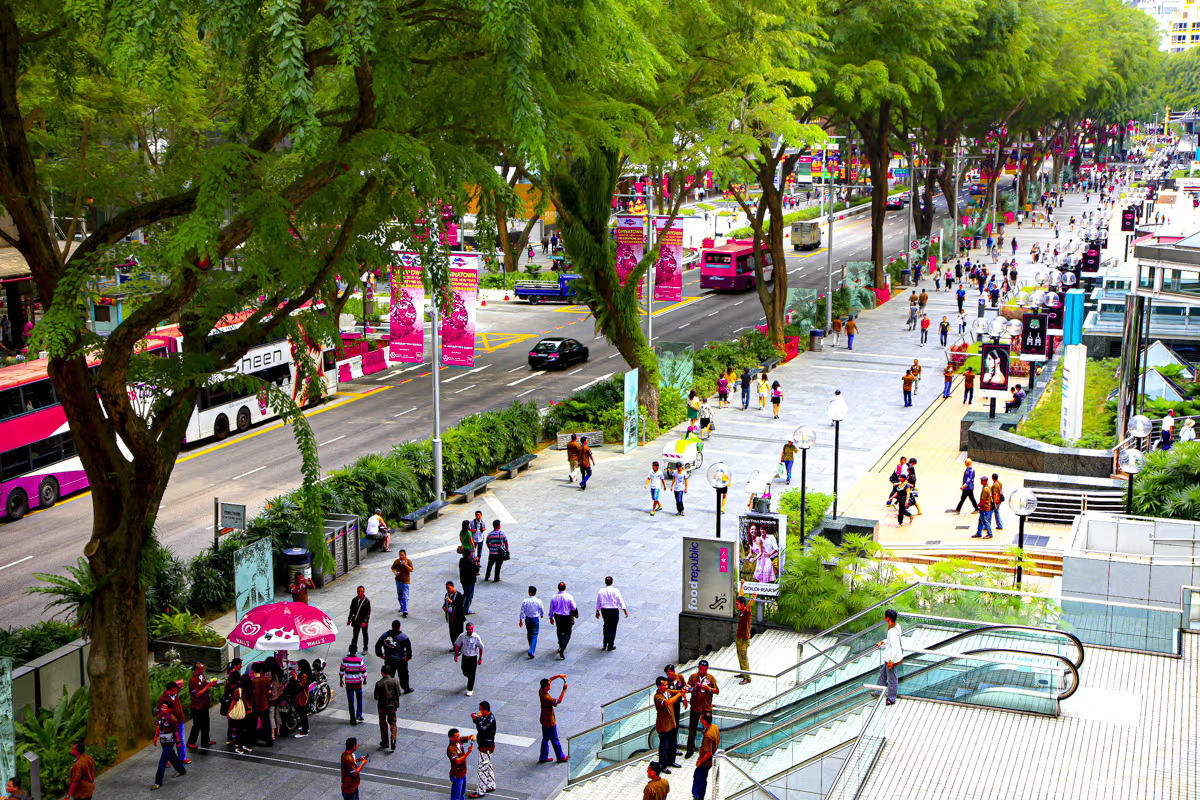
The best spots to catch these curated performances are designated busking locations managed by the authorities, such as the pedestrian belts of Orchard Road, the lively riverfront at Clarke Quay, and the scenic Esplanade Waterfront.
Here is how to choose the right spot for your mood:
Finding Comfort in the Crowd
Singapore’s street culture is vibrant, orderly, and incredibly welcoming, provided you understand your role in the performance. For the traveler seeking a recharge, these strict regulations are actually a hidden benefit. They ensure that every note you hear on the street is high-quality and that your evening stroll remains peaceful rather than chaotic.
We suggest leaving your guitar in its case, grabbing a cold drink at Clarke Quay, and simply enjoying the comfort of being a spectator. The local busking scene is a true celebration of artistic talent, made possible by dedicated performers who have obtained the necessary permits to share their creativity legally.
Take a moment to appreciate their dedication as you unwind by the river. While stepping back to simply enjoy the music is easy, navigating the rest of your trip with total peace of mind often requires understanding the broader Singapore tourist laws that keep the city so remarkably orderly. This foundational knowledge ensures your well-deserved getaway remains completely frictionless.
Just in Case… Your Questions Answered
Can I join a licensed busker for a spontaneous duet?
We advise strictly against this, not just for your safety, but for the sake of the performer. Singapore’s busking licenses are non-transferable and site-specific. If an audience member jumps in—even for a “fun” chorus—enforcement officers can view this as an unauthorised performance or a breach of the busker’s specific licence conditions. You could unintentionally cause a local artist to lose their “Letter of Endorsement” (their livelihood). The most respectful way to support them is to remain a captivated audience member.
I rarely carry cash. Can I still tip the buskers via apps?
This is a common point of confusion. You will see QR codes on almost every busker’s stand, but these are generally for PayNow or DBS PayLah!, which are local payment networks requiring a Singapore bank account. Most international banking apps or travel wallets (like Wise or Revolut) cannot scan these specific codes. To avoid the awkwardness of a failed transaction at the front of a crowd, we recommend carrying small-denomination cash (SGD $2 or $5 notes) specifically for this purpose. It remains the universal language of appreciation here.
Can I request a song for a special occasion, like a proposal?
Generally, yes, and it can be a highlight of a romantic evening at Clarke Quay. However, etiquette matters. Unlike in some Western cities, where you might shout a request, the polite approach here is to wait for a break between songs, approach the busker quietly, and offer a generous tip before making your request. This signals that you respect their professional time. Keep in mind that they cannot physically move their setup to a “private spot” for you; they are legally bound to their 1-meter designated square.
Is it okay to film or livestream the performances?
Filming the performance itself is widely accepted and often encouraged by buskers who value the social media exposure—feel free to tag them! However, Singapore’s Personal Data Protection Act (PDPA) and harassment laws are strict regarding the privacy of others. You should avoid aggressively filming bystanders, children, or other tourists in the crowd without their consent. Keep your lens focused on the artist to ensure your documentation remains respectful and legal.
My child is learning an instrument. Can they practice in the park?
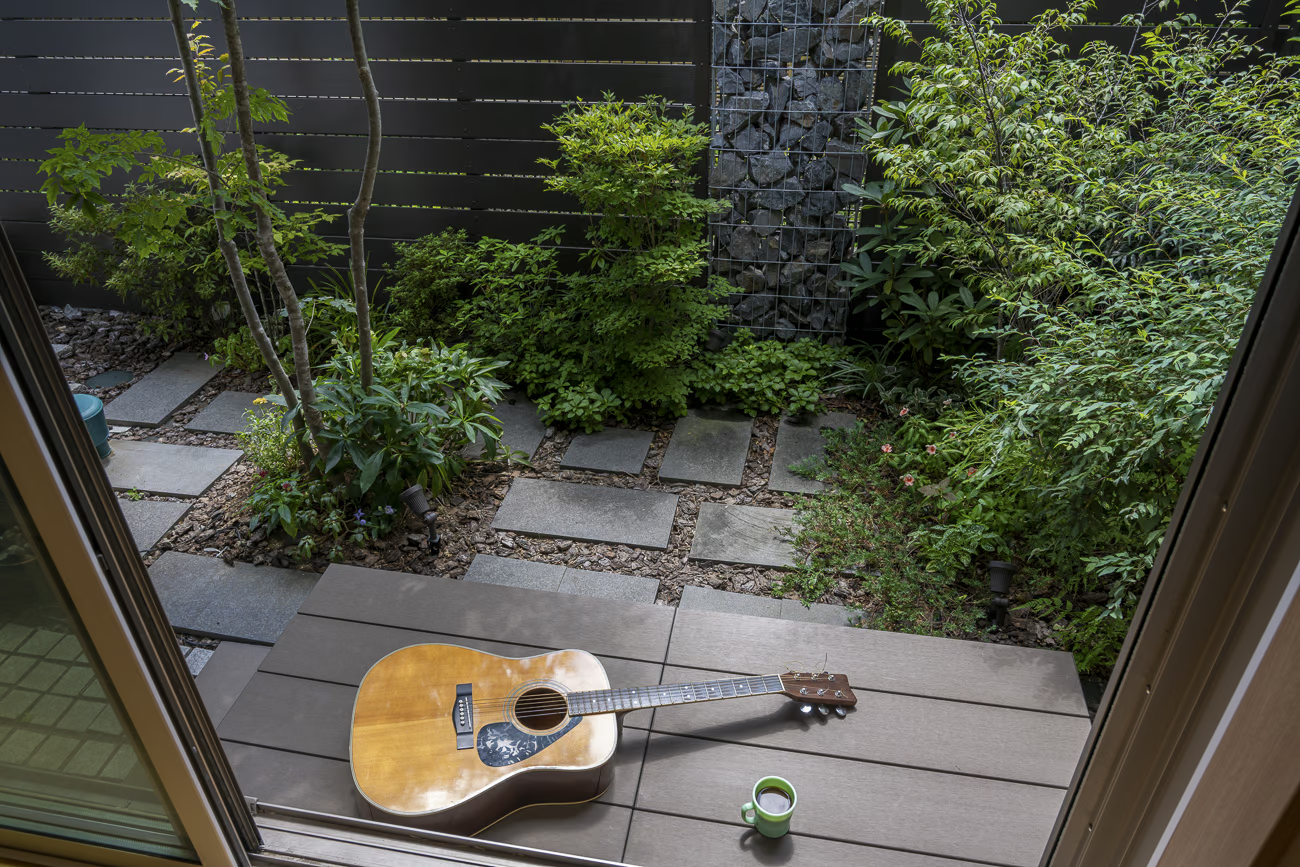
This is a grey area that depends entirely on “intent.” If your child sits on a park bench and practices quietly, it is generally viewed as recreational use. The moment you open a guitar case on the ground (which looks like soliciting) or set up a music stand (which looks like a performance), you enter the danger zone. To keep your family vacation stress-free, we suggest heading to larger, sprawling spaces like East Coast Park or Bishan-Ang Mo Kio Park, where there is ample space to play without disturbing other park-goers or attracting enforcement attention.
Can I play my instrument on my hotel balcony?
Technically, your hotel balcony is private property, so you aren’t “busking.” However, noise travels incredibly far in Singapore’s high-density urban landscape. If your practice session disturbs a guest in the adjacent room or a resident in a building across the street, hotel security will ask you to stop immediately to prevent a police noise complaint. To maintain the “Comfort” standard of your stay, we recommend playing at a low, conversational volume and keeping the glass doors closed if you want to play late into the night.
Is there any legal way for a tourist to perform for an audience?
Yes! If you have the itch to perform, you don’t need to risk a fine on the street. Many live music venues, such as The Beast or various cafes in the Haji Lane area, host regular “Open Mic” nights. These venues hold a commercial Public Entertainment License that covers impromptu performances by patrons. This allows you to enjoy the thrill of a Singaporean audience in a legal, air-conditioned, and comfortable environment—with a cold drink in hand.