Singapore’s famous comfort isn’t an accident. It’s by design. From our country’s earliest days, our leaders recognized that for a tiny island nation with no natural resources, survival depended on stability and social order. That intense focus on creating a secure society is the primary reason you can now enjoy a city that is incredibly safe and easy to navigate.
But there’s a deeper reason for our rules that is much more personal to us. Imagine a city where four official languages are spoken, and vibrant Chinese, Malay, Indian, and Eurasian cultures mix every single day. Our strict laws and social etiquette act as a shared language of respect, ensuring that everyone feels comfortable and that our society runs harmoniously.
So while you may have heard about our strict reputation, I want you to see it from a local’s perspective. These aren’t just limitations; they are the bedrock of the seamless and relaxing vacation you came here to enjoy.
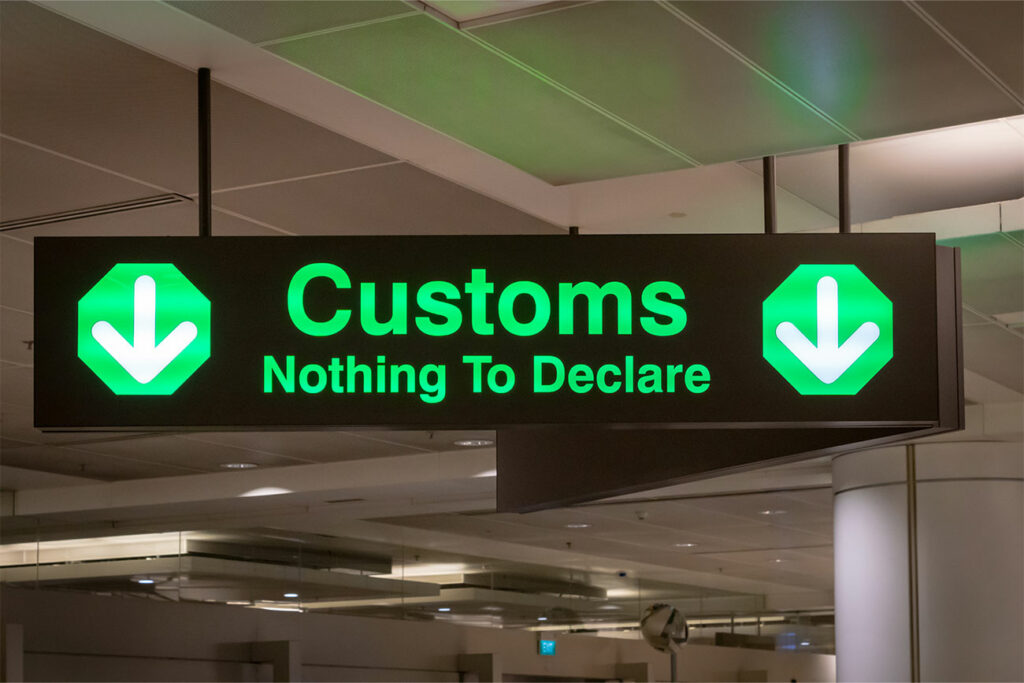
1. Know Your Customs & Duty-Free Allowances
A seamless arrival at Changi Airport sets the tone for your entire trip. To ensure you breeze through customs without a hitch, it is essential to know exactly what needs to be declared at the Red Channel versus what gets a “green light.”
Here are the three key rules to know before you land:
While these rules cover the standard tourist experience, specific nuances apply to special categories. We suggest referencing the complete tourist breakdown of Singapore’s GST and duty-free rules if you are traveling with medication, food products, or commercial samples.
A Comfort Tip: For total confidence, keep a digital photo of receipts for your high-value personal gear (like cameras or luxury bags) on your phone. This simple step proves they are well-loved belongings rather than new purchases, ensuring your arrival remains completely stress-free.
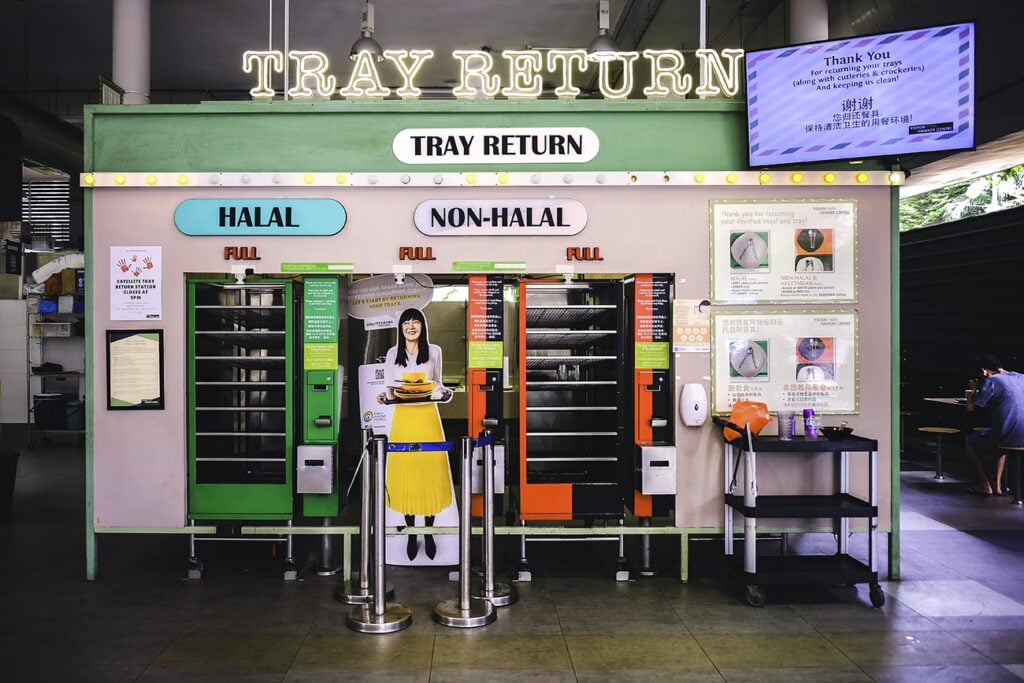
2. Clearing Your Table: A Guide for Every Eatery
Singapore’s hawker centres are legendary, offering some of the best food in the world. However, dining etiquette here has shifted from simple courtesy to civic duty.
It is now mandatory to return your tray and used crockery at all public eateries, including food courts and hawker centres. Leaving a messy table isn’t just frowned upon; it invites potential enforcement from officers monitoring these spaces.
To dine with confidence, simply follow the “Golden Rule”: if you ordered and paid at a counter—whether at a hawker stall or a fast-food chain—you are expected to clear your own table.
This policy isn’t just about rules. It supports our elderly cleaning staff, allowing them to focus on sanitizing tables rather than the heavy lifting of clearing leftovers.
A Comfort Tip:
Keep an eye out for the specific “Halal” return stations, which are usually marked with green trays versus “Non-Halal” ones. Sorting your crockery correctly is a small gesture that goes a long way in maintaining our social harmony.
While the concept is straightforward, we recommend familiarizing yourself with Singapore’s tray return mandates to understand how strict enforcement applies to first-time offenders versus repeat violations.
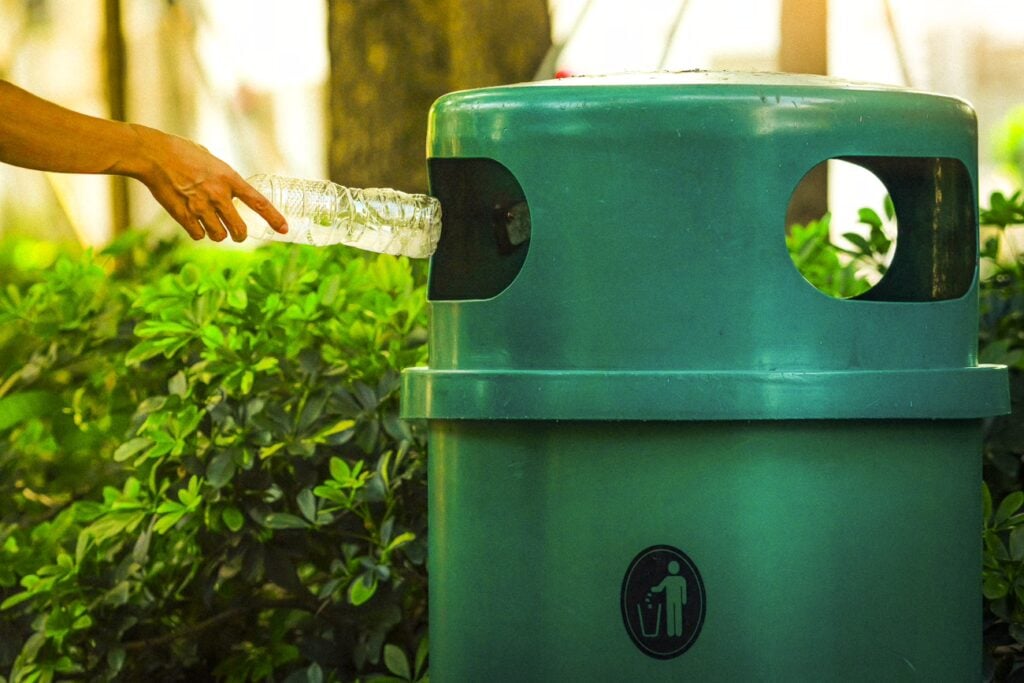
3. Trash, Littering & Spitting
We love Singapore’s pristine streets—they’re a huge part of why walking here feels so effortless and relaxing. But that famous cleanliness relies on strict enforcement, and the definition of “littering” might be much broader than you expect.
To ensure your trip remains a “reward” rather than a stressful encounter, watch out for these specific rules:
To avoid an on-the-spot fine of SGD$300, it pays to know exactly where the line is drawn. While these examples cover the most frequent infractions, the legal definition of waste is extensive. Navigating specific scenarios, such as high-rise littering or liquid waste, requires familiarity with Singapore’s littering and hygiene rules.
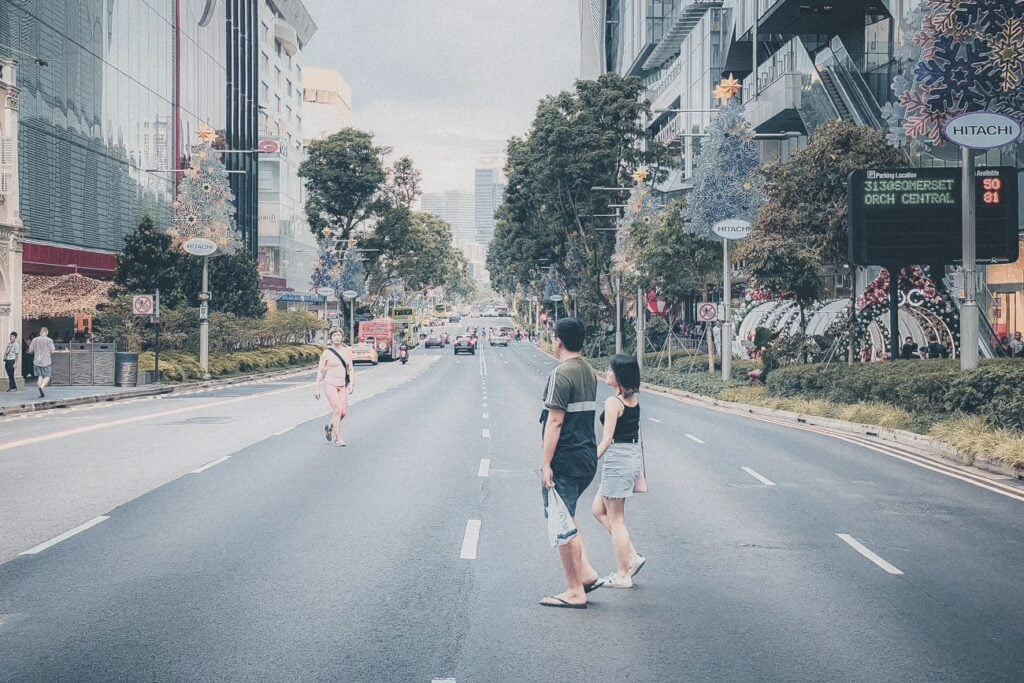
4. Jaywalking & Road Rules
In a fast-paced city like Singapore, road safety is paramount. The golden rule to remember is the “50-Metre Rule.”
If you are within 50 metres of a designated crossing—whether it’s a traffic light, zebra crossing, or overhead bridge—the law requires you to use it.
Don’t fall into the trap of the “convenient dash” to save time when a crossing is nearby. This is the most common way visitors get caught off guard.
While a simple jaywalking offense usually incurs a SGD$50 on-the-spot fine, reckless behavior that endangers traffic can escalate to court charges and fines of up to SGD$1,000.
It’s simply not worth the stress; using the designated crossings is the most comfortable and confident way to navigate the city.
While the 50-metre rule covers the most common violation, confident navigation through non-signalized junctions and elderly-friendly areas requires familiarity with Singapore’s pedestrian crossing regulations and Right-of-Way protocols.
5. Alcohol & Drinking
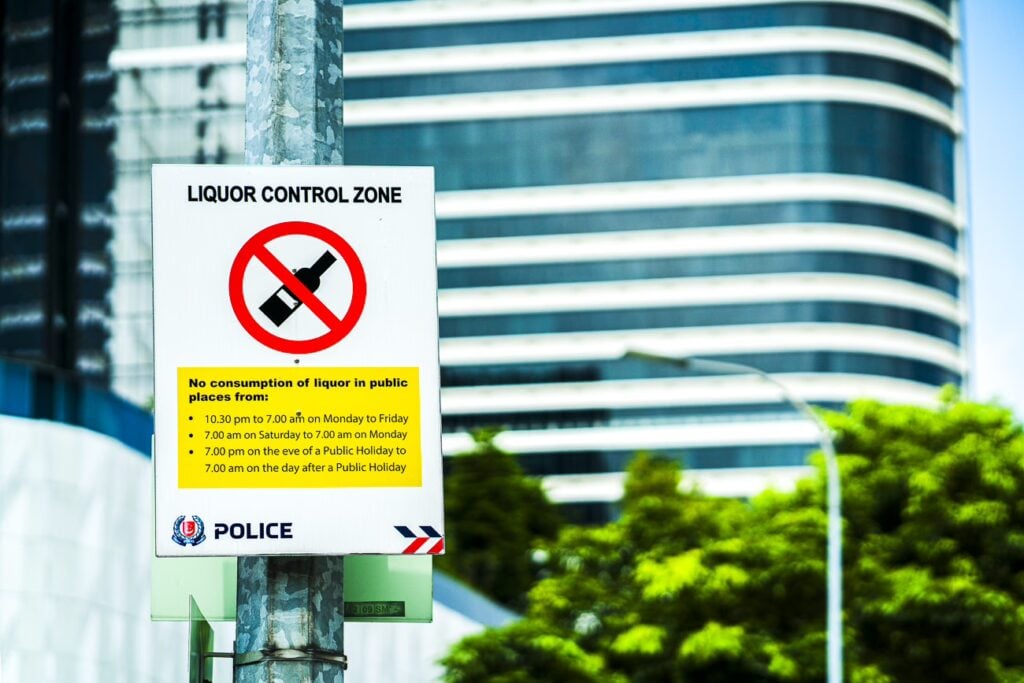
Enjoying a cocktail or a cold beer is a standard part of a holiday, but Singapore has a specific “10:30 PM Curfew” that catches many visitors off guard.
The rule is simple but strict: no drinking in any public place from 10:30 PM to 7:00 AM daily. This includes parks, beaches, and even the scenic bridge at Clarke Quay.
Also, don’t plan on a late-night convenience store run. All shops, including 7-Eleven, are legally required to stop selling takeaway alcohol at 10:30 PM sharp.
For a worry-free night, stick to licensed bars, restaurants, or the privacy of your hotel room, where these rules don’t apply. Be especially careful in Little India and Geylang, where public drinking is banned for the entire weekend.
While the curfew is straightforward, distinguishing between a licensed venue and a ‘public place’ in nightlife districts requires familiarity with Singapore’s alcohol consumption regulations to ensure you don’t inadvertently step into a prohibited zone with an open drink.
6. Smoking, E-Cigarettes, and Shisha
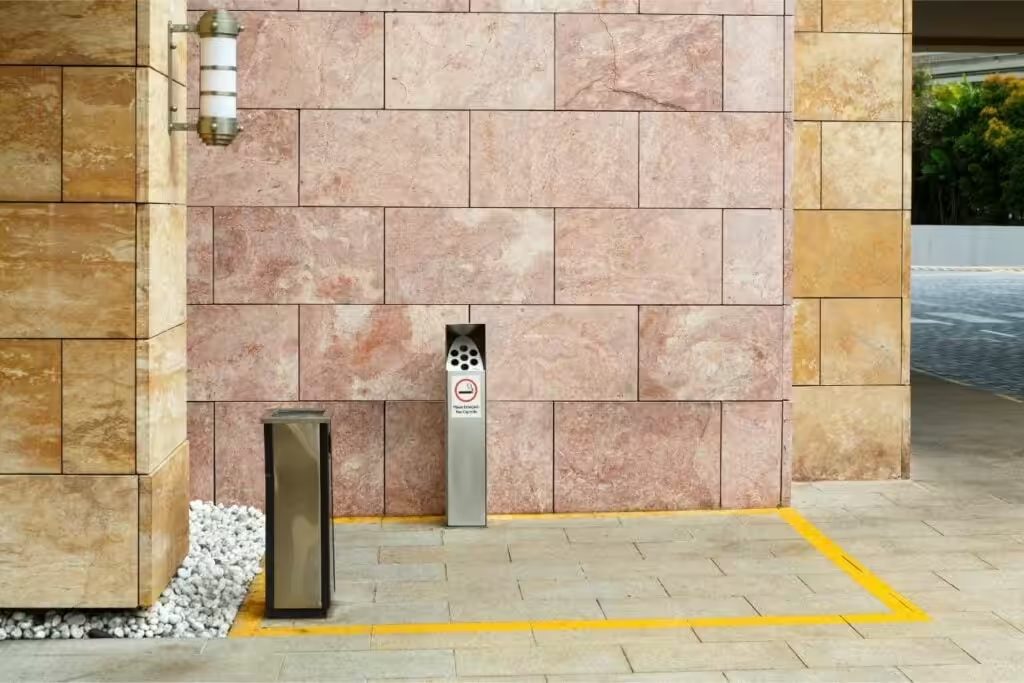
Singapore has some of the strictest anti-smoking and anti-vaping laws in the world. They are designed to protect the public from secondhand smoke and are enforced very seriously. For tourists, understanding these rules is essential to avoid large fines.
A) Tobacco Rules at a Glance
To keep your trip trouble-free, be aware of two critical regulations. First, the No Duty-Free Rule: You must declare and pay tax on all tobacco products at the airport. Second, the 5-Metre Rule: You generally cannot smoke within 5 metres of a bus stop or building entrance. Ignorance of these zones can lead to fines starting at SGD$200.
While these rules serve as a general baseline, specific districts like Orchard Road enforce a “No Smoking Zone” across the entire precinct, regardless of distance from a building. To ensure you always light up in a safe spot, we suggest validating your location against Singapore’s designated smoking prohibition areas.
B) Vaping & Shisha: A Zero-Tolerance Risk
For modern travelers, this is perhaps the most critical warning to heed: Singapore enforces a strict, zero-tolerance ban on all vaping (e-cigarettes) and Shisha products. Unlike in many other countries, there is absolutely no allowance for “personal use.” Even simple possession of a device can result in an immediate fine of up to SGD$2,000.
Recently, the risks have escalated significantly. Authorities have discovered a trend of vapes being laced with Etomidate, a potent sedative now listed as a Class C illegal drug. This shifts the consequence from a regulatory fine to a serious narcotics investigation.
Why you must leave it at home:
While the ban on vaping devices is absolute, confusion often arises regarding other related items like “heat-not-burn” tobacco or chewing tobacco. To avoid any uncertainty at customs, we suggest validating your packing list against Singapore’s comprehensive prohibited tobacco regulations.

7. Cannabis & Illegal Drugs: A Zero-Tolerance Policy
Singapore has some of the strictest drug laws in the world. These rules apply the moment you step off the plane. This includes a complete ban on cannabis and other narcotics.
Did you use cannabis legally in another country before your flight? You need to be very careful. Authorities can test you upon arrival. If you test positive, you face immediate arrest. Even a medical prescription from home is not valid here.
You must also watch your luggage at all times. The law holds you personally responsible for everything inside your bag. Trafficking carries a mandatory death penalty.
Never agree to carry a package for someone else, even a new friend. Claiming you did not know what was inside is not a valid legal defense. We want you to stay safe and avoid these severe penalties.
While the zero-tolerance policy on narcotics is the most critical rule, Singapore also enforces strict bans on other categories like chewing gum, specific medications, and weapons. Before you fly, it is vital to review Singapore’s classification of prohibited substances to ensure you are not inadvertently carrying a controlled item.

8. Photography, Privacy, and Harassment
Singapore is incredibly photogenic, but staying on the right side of the law ensures your trip remains a “well-deserved escape” rather than a legal headache. Keep these three rules in mind to photograph with confidence:
- DO Respect the “No”: Under the Protection from Harassment Act (POHA), persistence is key. If someone indicates they don’t want their photo taken and you continue, it crosses the line from annoyance to illegal harassment.
- DON’T Be a “Paparazzo”: We don’t have a culture of aggressive celebrity chasing here. “Unlawful stalking”—which includes following someone or loitering near them to get a shot—is a serious crime punishable by fines or jail time.
- DON’T Film Restricted Zones: Never take your camera out in immigration halls, military areas, or casino gaming floors. These are strictly enforced security zones.
While these rules cover the clear ‘red lines’ of behavior, strict restrictions also apply to specific government buildings and private commercial areas. The specific legal boundaries of these security-sensitive locations are defined within Singapore’s photography laws and restricted zones.
9. Rules for Flying a Drone
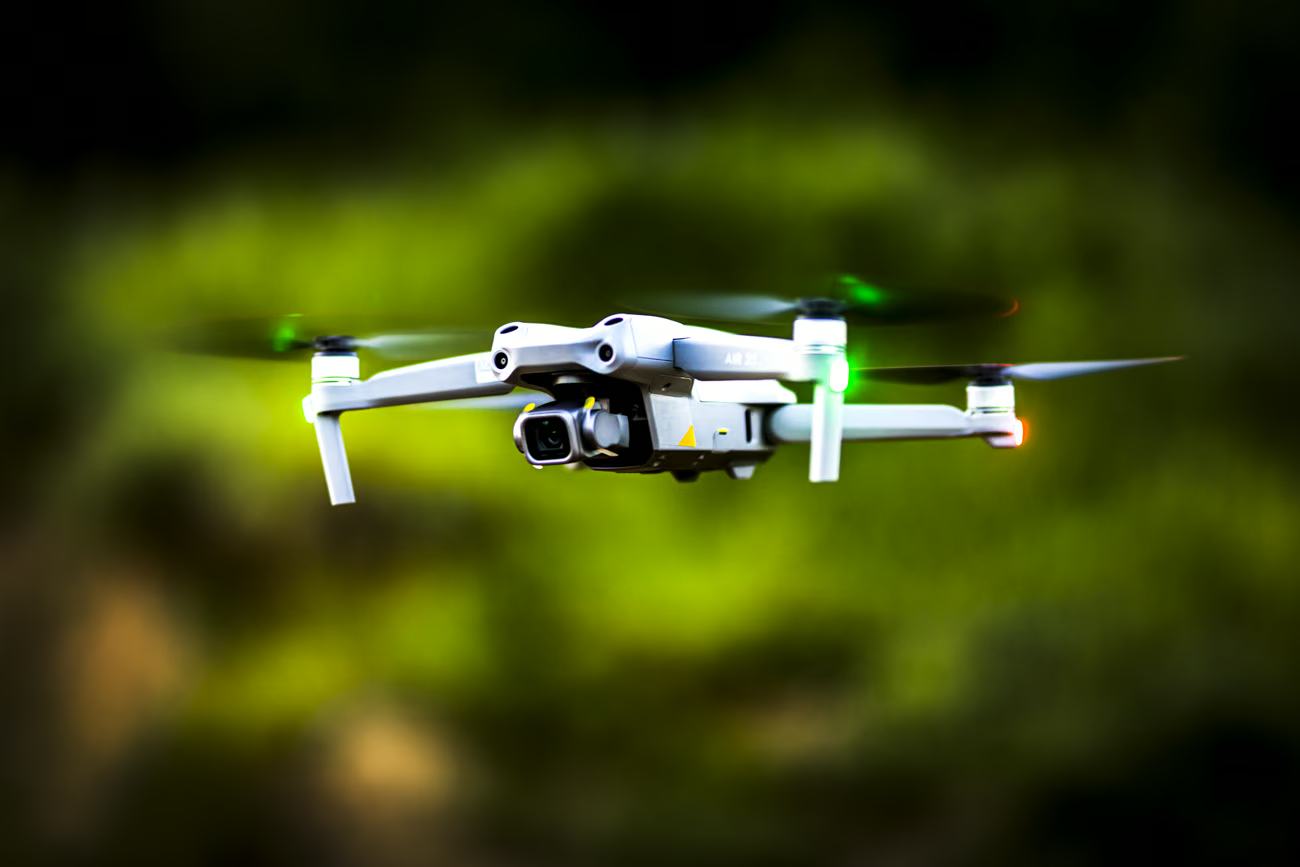
Is bringing your drone worth the hassle? For the average professional on a recharge trip, the answer is usually no.
Singapore requires a significant investment of time to fly legally. You are looking at a process that involves registering your device, passing online theory tests, and constantly monitoring the OneMap app to avoid restricted airspace.
The stunning aerial footage you see on Instagram is almost always filmed by licensed professionals with commercial permits.
For a tourist, attempting to replicate that in areas like Orchard Road or Chinatown is illegal and carries heavy risks. It disrupts the seamless, “chilled vibe” we want you to experience.
If you still want to pursue this, do not wing it. You need to handle the bureaucracy weeks before your arrival to ensure a smooth entry.
To help you navigate this complex process, we have stripped away the legal jargon to clarify Singapore’s drone regulations and no-fly zones so you can ensure full compliance.
10. Illegal use of unsecured Wi-Fi connections
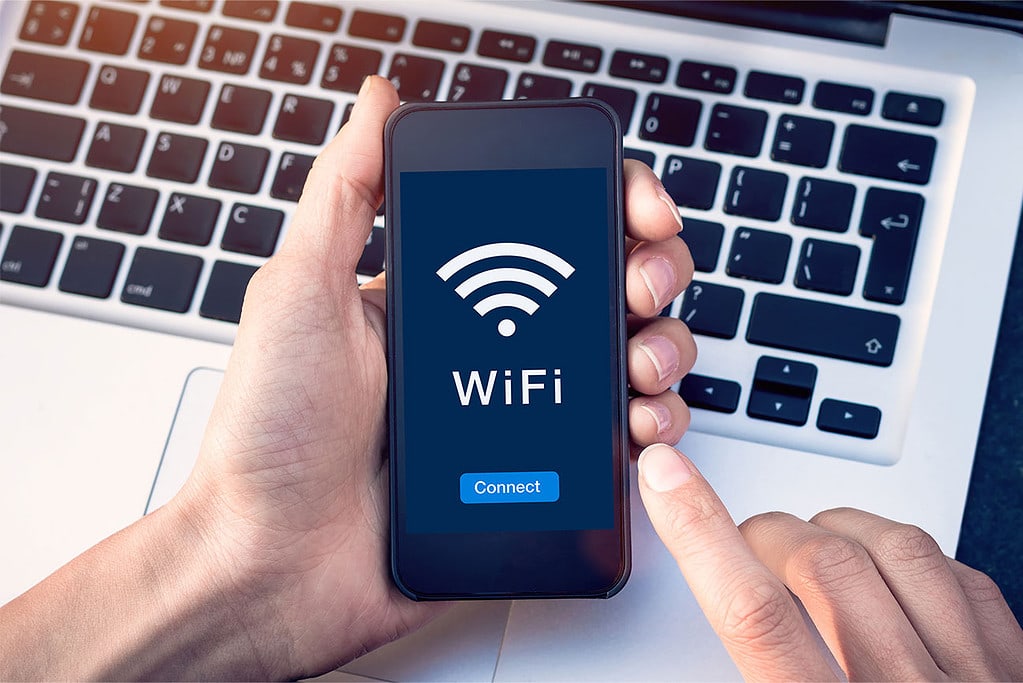
In Singapore, connecting to a private Wi-Fi network without the owner’s explicit permission is actually a criminal offense. While travelers often assume an “unlocked” network is open to the public, local law takes a much stricter stance.
Basically, the legal framework views unauthorized access as digital trespassing. This means that the simple absence of a password does not equal an invitation to connect.
The distinction relies entirely on authorization rather than encryption. If you connect to a residential signal like “Linksys” or “Sarah’s iPhone” without consent, you are technically breaking the law.
The penalties for this oversight are surprisingly significant, with potential fines reaching up to SGD$10,000. While police aren’t actively hunting tourists, a homeowner’s complaint could lead to unnecessary legal friction that ruins a holiday.
While it is unlikely that police are actively hunting tourists for minor infractions, a homeowner’s complaint of “suspicious activity” could lead to unnecessary legal friction that ruins a holiday.
Sticking to authorized networks is the only way to ensure immediate safety. For stress-free browsing, we recommend using legal and fast connectivity options in Singapore that keep you online without risk.

11. Feeding Wildlife & Leaving Food Out
Singapore’s otters and monkeys are adorable, but the simplest way to enjoy them is from a respectful distance. We have very strict laws about feeding wildlife because it makes animals dependent on humans and often leads to aggression.
Whether it is a wild boar, a monkey, or a pigeon, feeding them is a serious offense under the Wildlife Act, with fines reaching up to SGD$5,000 for a first offense.
There is also a hidden trap here involving littering. Even with good intentions, leaving food scraps on the ground for an animal to find later is considered littering. This carries a separate fine of SGD$300.
There is one thoughtful exception for our community animals, like stray cats. You are allowed to feed them, but you must follow the correct etiquette:
These specific feeding limitations are actually part of Singapore’s broader park and nature reserve regulations designed to maintain the delicate balance of our ecosystem.
12. Short-Term Rentals & Homestays
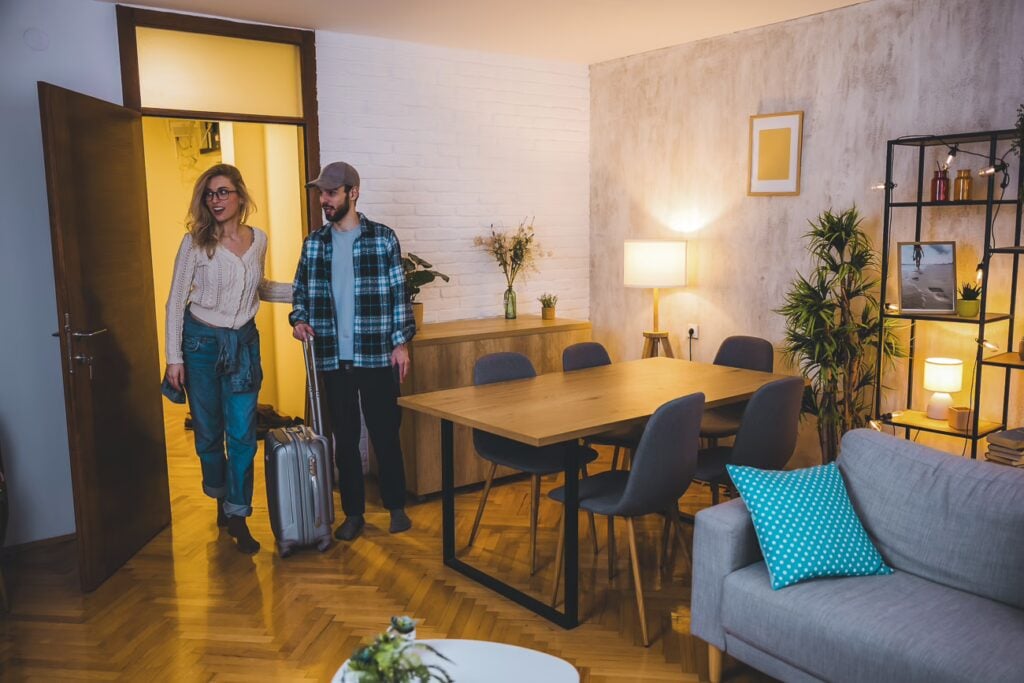
We know that booking a private apartment on apps like Airbnb sounds like a cozy way to live like a local. However, we want to help you avoid a stressful situation, as Singapore’s laws on this are quite strict and differ from those in other countries.
Here is the simple reality: most private homes in Singapore cannot be rented out for short vacations. Private condos require a minimum rental of 3 months, while public housing (HDB flats) requires 6 months. If you see a listing for a few days or weeks, it is likely not in compliance with the rules. Even if a host calls it a “homestay,” the same time limits usually apply if money changes hands.
While you generally won’t be arrested, staying in an unregulated rental can ruin your relaxation. You might face awkward moments where a host asks you to lie to security guards and say you are “just a friend.” Worse, building management could deactivate your access card while you are out, or the host might cancel on you at the last minute due to an investigation.
Your vacation should be completely worry-free. Staying with friends for free is perfectly legal, but for paid accommodation, we suggest sticking to licensed hotels or serviced apartments. This guarantees you a secure place to rest without having to look over your shoulder.
That said, there are legitimate exceptions for certain types of serviced residences, and knowing the short-term rental regulations can help you navigate these options correctly.
13. Noise & Public Disturbance: Reading the Room
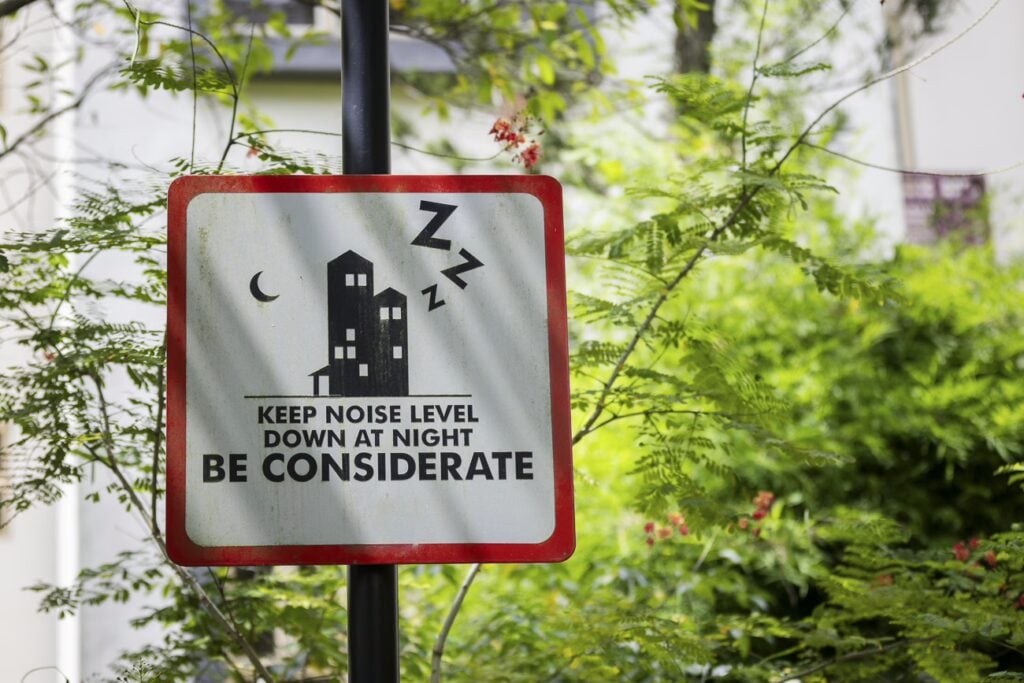
In Singapore, noise laws focus heavily on context. While “disorderly conduct” (like aggressive shouting) is never tolerated, acceptable volume levels shift drastically depending on your location . To stay comfortable and confident, simply recognize your zone:
To respect local culture, lower your volume near homes after 10:30 PM. Regardless of location, “disorderly conduct”—like aggressive shouting or visible drunkenness—is a serious offense enforced to ensure safety for everyone .
While adhering to these zones ensures you are a considerate guest, the legal threshold for what constitutes a “disturbance” is specific. We recommend familiarizing yourself with Singapore’s noise and public order regulations to distinguish clearly between acceptable merriment and a chargeable offense.
14. Vandalism, Graffiti, and Street Art
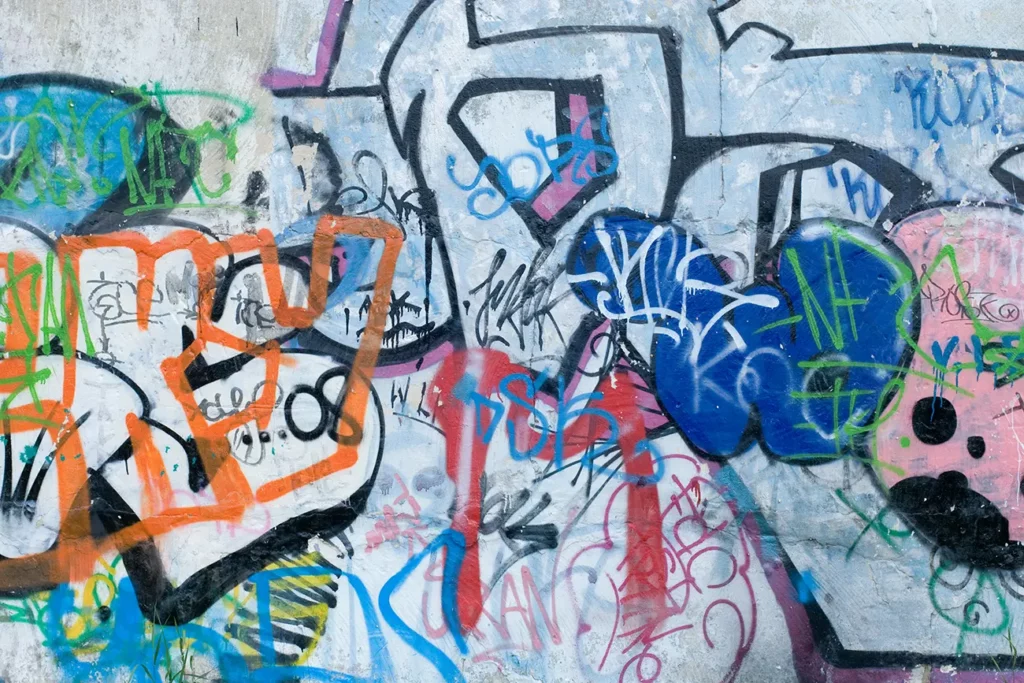
Singapore’s definition of vandalism extends far beyond spray paint, creating a hidden “trap” for well-meaning tourists. The law technically classifies any act of marking, writing, or affixing items onto property without consent as a criminal offense, regardless of artistic intent.
Common “Harmless” Acts That Are Actually Illegal:
These aren’t just minor infractions—using permanent markers or paint can actually trigger mandatory corporal punishment (caning). To ensure your creative expression doesn’t land you in court, it is vital to know Singapore’s specific vandalism laws and penalties before you leave your mark.
15. Busking and Street Performances
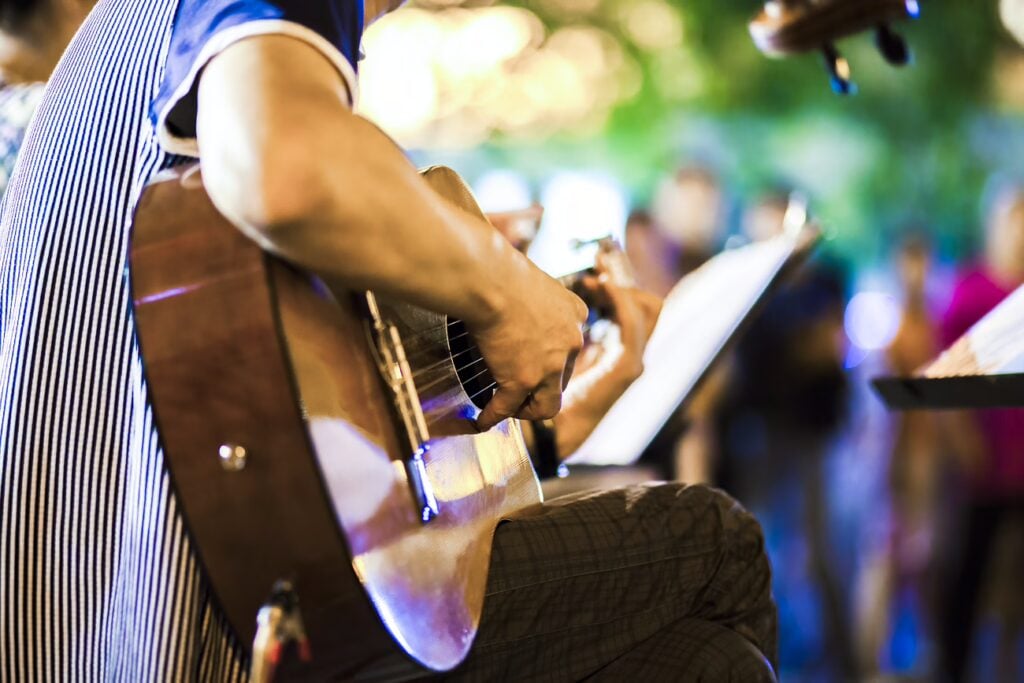
Walking through Singapore’s vibrant districts, you’ll likely catch the sound of a guitarist or a magician drawing a crowd. We love stopping for these moments—they add a wonderful, spontaneous rhythm to the city.
But it’s worth noting that the high quality of these performances isn’t accidental. It’s a carefully curated system managed by the National Arts Council. This ensures the streets remain lively yet orderly, maintaining the calm atmosphere we all appreciate.
For us visitors, enjoying the show is the best part, but joining in requires a bit of caution. There’s a distinct line between strumming a guitar in a park for your own relaxation and performing for an audience.
Crossing that line into “busking for money” without a license is a quick way to turn a peaceful trip into a stressful legal headache, complete with hefty fines. We definitely prefer keeping our travel funds for a nice dinner rather than a penalty fee.
It leads to a common question we hear from travelers: where exactly is the boundary between having fun and breaking the law? There’s even a persistent rumor about singing being illegal here.
It’s better to know the nuances before you start humming your favorite tune in public, which is why we’ve put together a clear explanation of Singapore’s busking rules and the truth behind the singing ban myth.
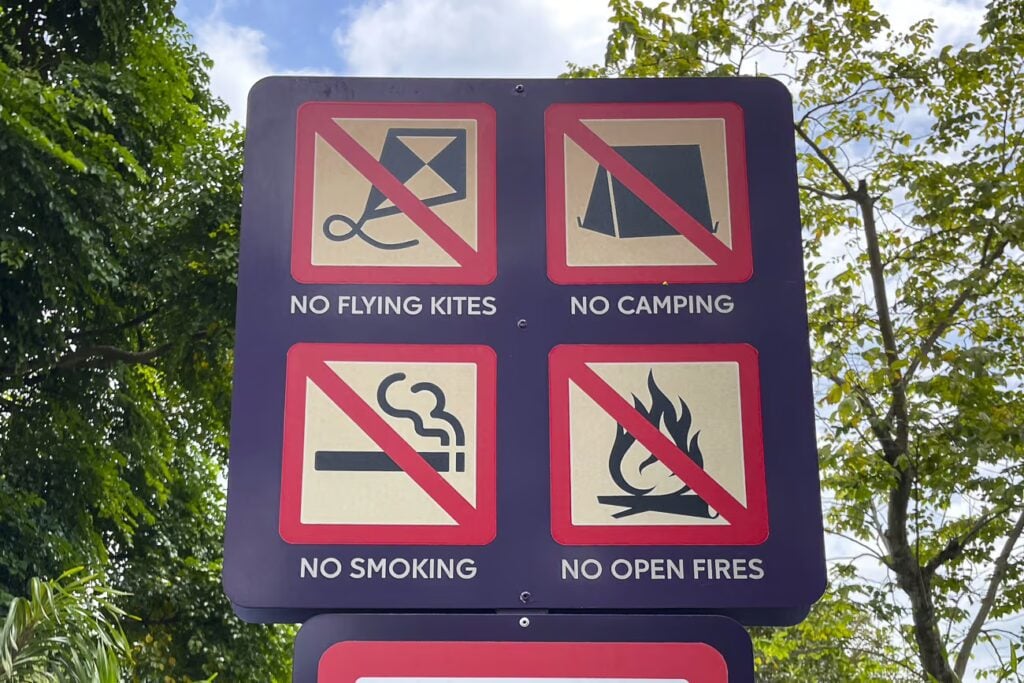
16. Flying Kites Safely & Legally
We love the idea of a relaxing afternoon flying a kite, but in Singapore, this simple pleasure comes with some serious boundaries. Because our island is a major aviation hub with very busy airspace, strict rules exist to keep the skies safe.
The Civil Aviation Authority of Singapore (CAAS) sets these regulations to ensure a kite never tangles with an airplane engine, which could be catastrophic. To keep your day stress-free, here are the main limits you need to respect:
For the most comfortable and worry-free experience, we recommend heading straight to the Marina Barrage. Its wide-open rooftop offers great winds and is a designated safe zone away from flight paths.
While these aviation limits cover the airspace, enthusiast flyers should also be aware of Singapore’s designated park usage and recreational restrictions to ensure their location is fully compliant.

17. Food & Drinks on Public Transport
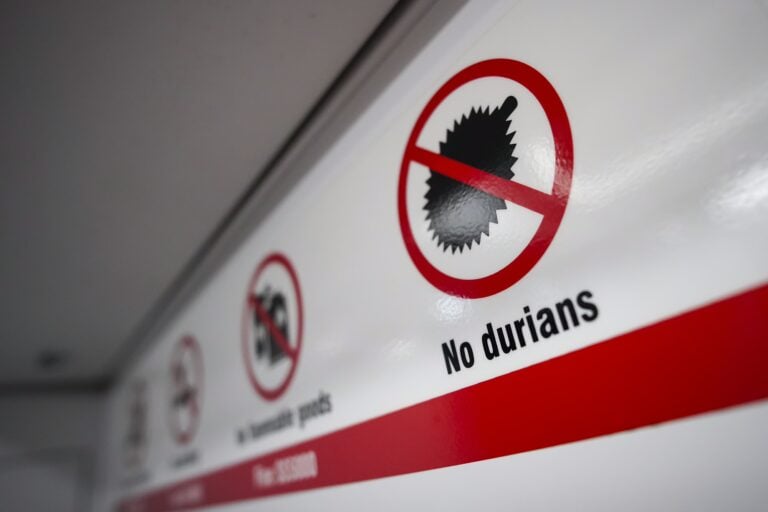
The cleanliness of Singapore’s MRT isn’t an accident; it’s the result of a strict law that applies the moment you pass the fare gates. The prohibition on consuming anything is absolute.
The Common Tourist Traps: Don’t get caught by assuming “small” things don’t count.
Carrying vs. Consuming: You are perfectly free to carry sealed takeaway food (“dabao”) back to your hotel, but the Durian fruit remains completely banned due to its overwhelming smell. Navigating the strict distinction between permitted cargo and prohibited items requires familiarity with Singapore’s public transport food and beverage rules.
18. Understanding Singapore’s Modesty Laws
While Singapore feels hyper-modern, it retains a socially conservative core that deeply values personal boundaries. To navigate these norms with total confidence and avoid accidental embarrassment, keep these three specific distinctions in mind:
These statutes establish the legal baseline, but avoiding traps like the ‘Hotel Room’ rule or misconstrued ‘unwanted touch’ depends on understanding the strict definitions within Singapore’s modesty laws.

19. The Famous Chewing Gum Rule
We all want a smooth arrival at Changi Airport, and knowing what not to pack is the secret to a seamless entry. While you might hear rumors about strict crackdowns, the law is actually quite practical.
It targets the importation and sale of gum—not the act of chewing it—a measure established in 1992 to protect the city’s public transport sensors and maintain the pristine streets you’ll soon enjoy.
For a truly worry-free trip, keep these nuances in mind:
While the “leave it at home” policy prevents the most common tourist mistake, gum is just the most famous example on the strict and extensive list of banned items in Singapore.

20. Total Ban on Firecrackers
To protect public safety in our dense city, Singapore enacted a total ban on the private use of firecrackers in 1972. This decision was a direct response to a series of tragic fires and injuries caused by unregulated pyrotechnics in the 1960s. Today, this strict policy remains a cornerstone of the island’s safety, ensuring that our high-density housing estates remain secure for everyone.
For visitors, it is crucial to understand that this ban is comprehensive. It extends far beyond dangerous explosives to include items often considered harmless party favors in other countries, such as birthday sparklers and novelty “pop-pop” snaps. Customs officers treat these items as illegal imports, and finding them in your luggage will result in immediate confiscation.
The consequences for breaking this rule are severe. Under the Arms and Explosives Act, anyone caught illegally possessing or setting off these items faces penalties that include fines of up to SGD$5,000 and potential imprisonment. It is a strict zero-tolerance policy designed to prevent the public safety crises of the past.
That said, the festive spirit remains alive through government-sanctioned events. While we still enjoy spectacular, professionally run displays during holidays like National Day, the law strictly forbids the personal possession or private use of any firecrackers in Singapore.
21. Racism, Discrimination & Religious Insults
You’ll quickly notice that Singapore is a vibrant tapestry of cultures living side-by-side. This rare harmony is built on the twin pillars of multiracialism and meritocracy.
This isn’t just a happy accident; it’s a protected standard. To ensure every interaction remains respectful and peaceful, the country maintains a strict, zero-tolerance policy regarding racial and religious disrespect.
This commitment goes deep. Institutions like the Presidential Council for Minority Rights actively review laws to ensure no community is disadvantaged.
For you as a visitor, these standards are the bedrock of the safe, welcoming environment you came here to enjoy. It means you can explore diverse neighborhoods with a sense of security and ease.
However, for a truly worry-free trip, it’s essential to understand that these boundaries extend beyond face-to-face conversations. The law applies equally to your digital footprint and social media posts while you are here.
While strict laws prevent discrimination, the subtleties of polite interaction across our Chinese, Malay, and Indian communities can be complex. We suggest referencing Singapore’s social etiquette and cultural norms to ensure your gestures and conversation topics are always received with the warmth you intend.

22. Urinating in Public & Not Flushing Toilets
Singapore’s reputation as a “Clean & Green City” is maintained by strict laws designed to ensure high standards of hygiene for everyone. To keep the city comfortable for all, two specific rules are strictly enforced:
It is a small act of responsibility that keeps the city comfortable for the next person.
It is a small act of responsibility that keeps the city comfortable for the next person. While these mandates specifically target restroom etiquette, strict enforcement extends to other public behaviors as well. We recommend referencing the detailed breakdown of Singapore’s littering and hygiene rules to ensure you don’t inadvertently violate other sanitary laws, such as the ban on spitting.
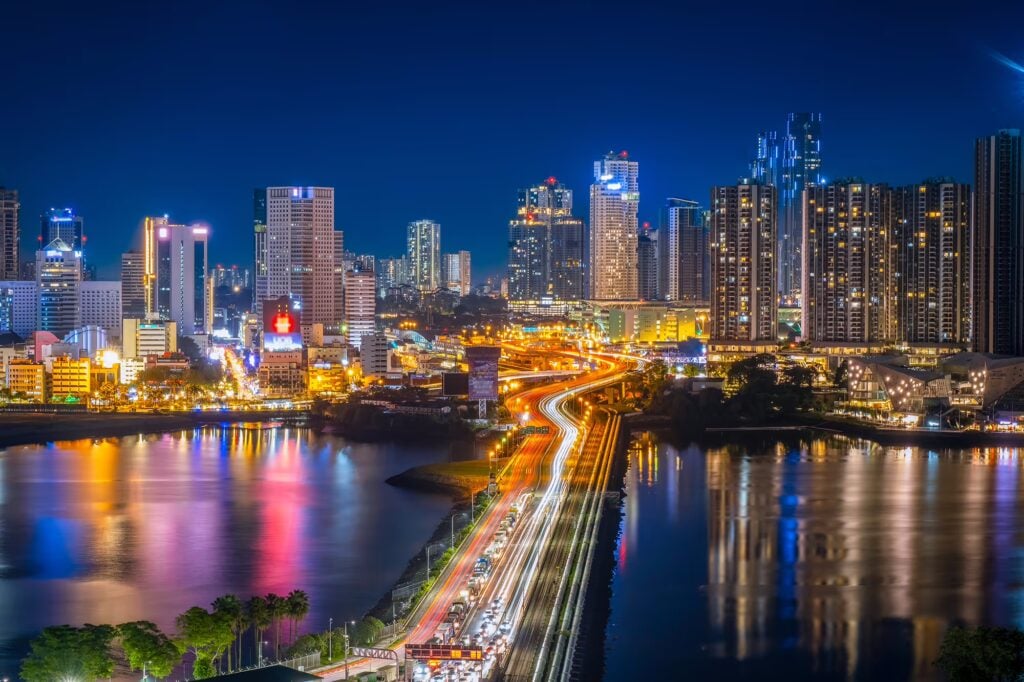
23. Traveling between Singapore & Malaysia
Crossing the land border at Woodlands or Tuas is a common route for travelers, but the regulations differ significantly depending on your direction of travel. Whether you are visiting for the day or arriving for your vacation, here are the specific rules for entering and exiting.
Entering Singapore: The Strict “No Exemptions” Rules
If you are arriving from Malaysia (whether by bus, car, or train), the customs allowances are tighter than at the airport:
Exiting Singapore: The Driver’s Rule
If you are driving a Singapore-registered car into Malaysia, you must follow the “3/4 Tank Rule.” Your fuel tank must be at least three-quarters full before you leave the checkpoint. This is strictly enforced to prevent drivers from crossing solely for cheaper fuel, and offenders face an immediate fine.
While these highlights cover the essentials, there is much more to Singapore’s land border crossing regulations, and some of the lesser-known nuances might surprise you.

24. Remote Work, Business Meetings, Influencers & Content Creators
With Singapore’s world-class Wi-Fi and photogenic architecture, the city seems like the ideal workspace for Digital Nomads and Content Creators. However, you must be extremely careful: Singapore does not have a dedicated Digital Nomad Visa, and our immigration laws regarding “work” are strictly enforced.
The General Rule: Under a standard Short-Term Visit Pass (Tourist Visa), a foreigner is strictly prohibited from engaging in any form of business, profession, or paid employment in Singapore. This applies even if your employer is overseas.
What is Allowed (The “Incidental” Exception): Authorities generally tolerate “incidental” activities that do not generate local revenue, including:
What is Risky (The “Illegal Employment” Trap):
The Consequence: Singapore’s Ministry of Manpower (MOM) takes this seriously. Ignorance of the law—especially regarding “barter” deals—is not a valid defense and can lead to deportation.
While staying connected to your audience or office is essential, specific activities—from ‘barter’ stays to location shoots—can cross the legal line. To avoid violations, you must understand the Singapore remote work, business, influencer & content creation rules.
Staying Within Your Welcome
Staying within your welcome in Singapore is simple because your allowed duration is clearly stated on the digital visit pass sent to your email. Most visitors find that the standard stay provides more than enough time to soak in the city’s highlights without a second thought about paperwork. However, life happens—flight changes, medical needs, or simply wanting a bit more time can shift your focus from relaxation to logistics.
We believe that a truly comfortable trip is one where you never have to worry about your legal status. Ensuring your travel documents remain valid is the final piece of a truly seamless stay. While most visits are worry-free, navigating the complexities of stay durations and legal protocols requires a specific understanding of Singapore visa extension and overstaying.
Never Miss an Update
Add yourcomforttrip.com as a Preferred Source on Google to see more of my content in AI Mode and AI Overviews.