It’s a familiar travel scene: hauling a heavy suitcase through a crowded station, the humid 32°C air sticking to your skin, all to save what amounts to the price of a few coffees. You’ve saved a little money, but the real cost is in the stress and exhaustion before your vacation has even truly begun.
That experience is why we believe the common question, “Is Singapore expensive?”, completely misses the point. It’s a question about money, but the true cost of travel is rarely financial. It leads us to a much better question, the one that actually defines a trip’s success: What is the price of inconvenience?
We call this hidden cost the “Friction Tax“—the invisible payment you make in time, energy, and enjoyment for every inconvenient choice. This guide is not a budget plan; it’s a deep dive into that tax. We are here to give you a new lens for your decisions, empowering you to invest in what truly matters—a genuinely comfortable, frictionless experience.

The Invisible Price Tag: Uncovering the Three Hidden Currencies of Travel
Before you can manage the Friction Tax, you need to understand the invisible price tag attached to every choice you make. It’s paid in three currencies that are often more valuable than money.
The Currency of Time
The Currency of Time is about more than just the numbers on a clock; it’s about the missed opportunities. It’s that sinking feeling you get when you realize the ‘short’ queue for a famous attraction has cost you the entire golden hour for photography you had planned. Every minute spent on a needless transfer or a confusing detour is a memory you didn’t get to make. For professionals with limited leave, this makes time the most valuable currency of all.
This is why we’ve learned to analyze the micro-logistics that steal these precious moments. For example, always check the walking time from the specific subway exit to your destination, not just the station itself. In a complex station, a wrong turn can easily add 10 minutes of walking in the heat—a hidden time cost you can’t get back.
The Currency of Energy (Physical & Mental)
While the physical drain of exploring in a tropical climate is obvious, it’s your mental energy that is often the more critical resource. It’s the reason why, after a full day of navigating a new city, the simple question of ‘what’s for dinner?’ can feel as taxing as a major work project. This is decision fatigue, a hidden cost that is depleted by the constant stress of planning and navigating unfamiliar environments.
To protect this vital resource, we’ve learned to pre-emptively eliminate the biggest energy drain on arrival day. By booking your first dinner reservation in advance, you remove a major decision when your mental energy is at its lowest after a long flight, ensuring a comfortable and relaxing start to your trip.
The Currency of Enjoyment
This is the emotional toll of your journey. Every moment of annoyance or frustration subtracts from the positive balance of your trip, creating what we call a “Comfort Deficit”. It’s the reason a “cheap” experience that leaves you irritated is a net loss—it leaves you feeling worn out instead of restored. This is why protecting your enjoyment is a non-negotiable part of our planning.
To prevent the Comfort Deficit, we’ve learned to be strategic. If a famous attraction is known for extreme crowds, we’ll either visit a lesser-known but equally beautiful alternative during peak hours or invest in “skip-the-line” tickets. Both are simple ways to ensure an experience adds to your well-being, rather than subtracting from it.
Key Takeaways
The Friction Tax in Action: A Singapore Case Study
Now, let’s move from theory to practice. To show you how the Friction Tax works in the real world, we’re sharing a few case studies from our on-the-ground research in Singapore. We’ll use our Friction Scorecard to visualize the trade-offs that every traveler makes, often without realizing it.

Case Study 1: The Accommodation Audit (Central vs. Outskirts)
Imagine it’s Day 3 of your Singapore trip. After a long morning of sightseeing, you’re loaded with shopping bags, and the 32°C humidity is starting to take its toll. If you’re staying in a prime location like Orchard Road, you can easily pop back to your hotel for a quick rest and a shower before heading out for the evening. That simple act of convenience can completely reset your energy for the night ahead.
Now, imagine the alternative. To get that $150/night in monetary savings , you’re staying in a neighborhood 30 minutes away by MRT. The idea of that long commute back—navigating rush hour crowds and adding another 10 minutes of walking— feels exhausting. The high enjoyment cost is the loss of spontaneity; you can’t easily go back to rest. The time cost is a staggering 90 minutes round-trip, and the energy cost is high. While the savings are tempting, the accumulated Friction Tax can quickly outweigh the monetary benefit, proving the central hotel to be the better overall value for a truly relaxing trip.
Friction Scorecard:
- Monetary Savings: $150/night
- Daily Friction Tax:
- Time Cost: 90 minutes round-trip
- Energy Cost: High (navigating rush hour crowds, extra walking)
- Enjoyment Cost: High (inability to easily pop back to the hotel to rest or drop off shopping bags)
Takeaway: While the nightly savings are tempting, the daily Friction Tax is substantial. For a traveler whose primary goal is a relaxing and efficient trip, the accumulated time and energy cost can quickly outweigh the monetary benefit, proving the central hotel to be the better overall value.

Case Study 2: The Transport Audit (Airport Transfer)
Your flight has just landed at Changi Airport. You’re tired, a bit disoriented, and all you want is to get to your hotel. The MRT journey costs only $3, but this choice comes with a significant cognitive load. You have to navigate the airport signage, figure out the ticketing machine, manage your luggage through transfers, and stand on a crowded train—all when your energy is at its lowest. It’s a stressful start to the vacation.
The alternative is a $60 pre-booked car. The experience is entirely different. You step into a quiet, air-conditioned vehicle where the only decision you have to make is where to look out the window. This seamless, private arrival eliminates a massive amount of friction. While the monetary savings of $57 are clear, the investment in a frictionless arrival sets a comfortable and positive tone for the entire vacation, a benefit that is hard to put a price on.
Friction Scorecard:
- Monetary Savings: $57
- Friction Tax:
- Time Cost: 30 – 45 minutes
- Energy Cost: Very High (handling luggage through transfers, post-flight fatigue)
- Enjoyment Cost: Very High (a stressful start to the vacation)
Takeaway: This is one of the most critical decision points of a trip. Investing in a seamless, private arrival eliminates a massive amount of friction at a moment when your energy is lowest. It sets a comfortable, positive tone for the entire vacation.

Case Study 3: The Dining Audit (Queue vs. Reservation)
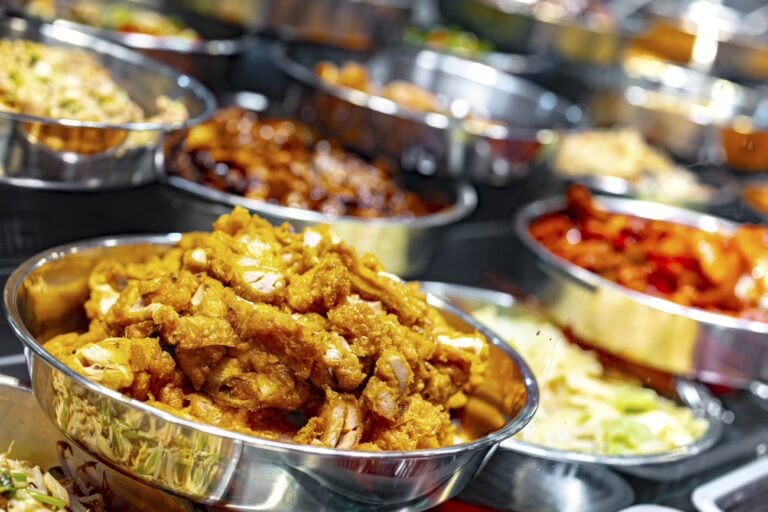
Singapore’s world-famous hawker food is a must-try, but it often comes with a significant Friction Tax. Imagine a world-famous, $8 Michelin-starred chicken rice stall. The food is undeniably incredible, but the experience involves a long queue snaking through the humid air, the stress of “chope-ing” (reserving) a seat with a tissue packet, and a loud, bustling environment where you might feel rushed. By the time you eat, you may question if the stress was worth the savings.
Now, picture a comfortable, air-conditioned restaurant where you have a reservation. The same classic dish, expertly prepared, might cost $40. The atmosphere is calm, the service is attentive, and the focus is entirely on savoring the meal and the conversation. While the monetary savings of $32 at the hawker stall are significant, the trade-off is a high Friction Tax. This is a classic choice between tasting a famous dish and having a truly enjoyable and comfortable dining experience.
Friction Scorecard:
- Monetary Savings: $32
- Friction Tax Analysis:
- Time: You pay for 45 minutes spent waiting in a queue.
- Energy: You pay by standing in a hot, crowded environment.
- Enjoyment: You pay with the stress of finding a seat and feeling rushed.
Takeaway: While the monetary savings at the hawker stall are significant, the trade-off is a high Friction Tax. This is a classic choice between tasting a famous dish and having a truly enjoyable and comfortable dining experience.

Run Your Own Comfort Audit: A 3-Step Friction Budget
A traditional budget tracks your money. A Friction Budget tracks your tolerance for inconvenience. Before your trip, decide how much friction you are willing to “spend” to achieve your goals.
Step 1: Define Your Trip’s Mission
Is this a short weekend trip purely for de-stressing, where every moment of ease is critical? Or is it a longer exploration where you have more time and energy to spare? Your mission defines your budget.
Step 2: Set Your Friction Budget Level
This isn’t about your personality; it’s about the goals for this specific trip.
Step 3: Arm Yourself with the Right Questions
The entire philosophy of the Friction Tax can be distilled into the three questions you should ask yourself before every travel decision. This final step is about shifting your perspective from a planner to a strategist.
Your Pre-Booking Mantra: The 3 Questions to Ask Every Time
Invest in Ease, Not Just Experiences
So, is Singapore expensive? As we’ve seen, that’s the wrong question. A better question is: “Based on my Friction Budget for this trip, where does it make sense for me to invest in a more seamless experience?”
By learning to see and budget for the hidden costs of inconvenience, you move from being a tourist to being a strategic investor in your own comfort and well-being. You can now audit any choice, in any city, and build a trip that is truly, frictionlessly, yours. That is the standard we believe in at Your Comfort Trip.
Never Miss an Update
Add yourcomforttrip.com as a Preferred Source on Google to see more of my content in AI Mode and AI Overviews.