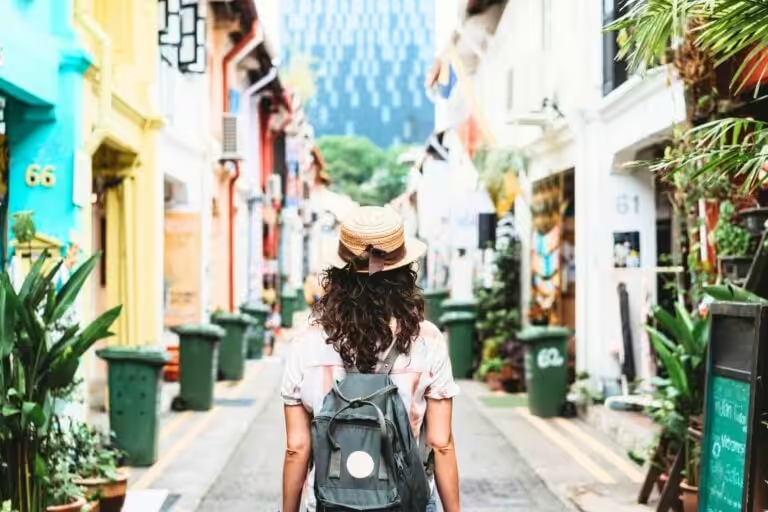
You’ve just finished an amazing bowl of laksa in a bustling hawker centre. You look around, tray in hand, and wonder: “Am I supposed to clear this myself?”
Later, you’re escaping the humid afternoon heat on the cool, spotless MRT. You reach for your water bottle for a quick sip… but then you hesitate, noticing nobody else is drinking. “Is this allowed?”
When you’re visiting a new place, small moments of uncertainty like this can be surprisingly stressful. They pull you out of the moment and make you feel like an outsider. We’re here to clear up that confusion so you can just relax.
Singapore’s reputation for rules isn’t about catching tourists out. It’s about a shared commitment to comfort. These aren’t just strict laws; they are simple, agreed-upon habits that make our public spaces famously clean, efficient, and comfortable for everyone.
Understanding these few local customs is the secret to navigating the city with total confidence. It’s the difference between feeling stressed about what to do with your tray and simply enjoying the memory of that delicious laksa. This guide will help you feel confident, relax, and enjoy your trip just like a local.
Where to Clear Your Table: A Guide for Every Eatery
One of the most common points of confusion for visitors is knowing when you are expected to clear your own tray. The rule changes depending on where you are.
Here is a simple guide to give you total confidence, no matter where you’re eating.
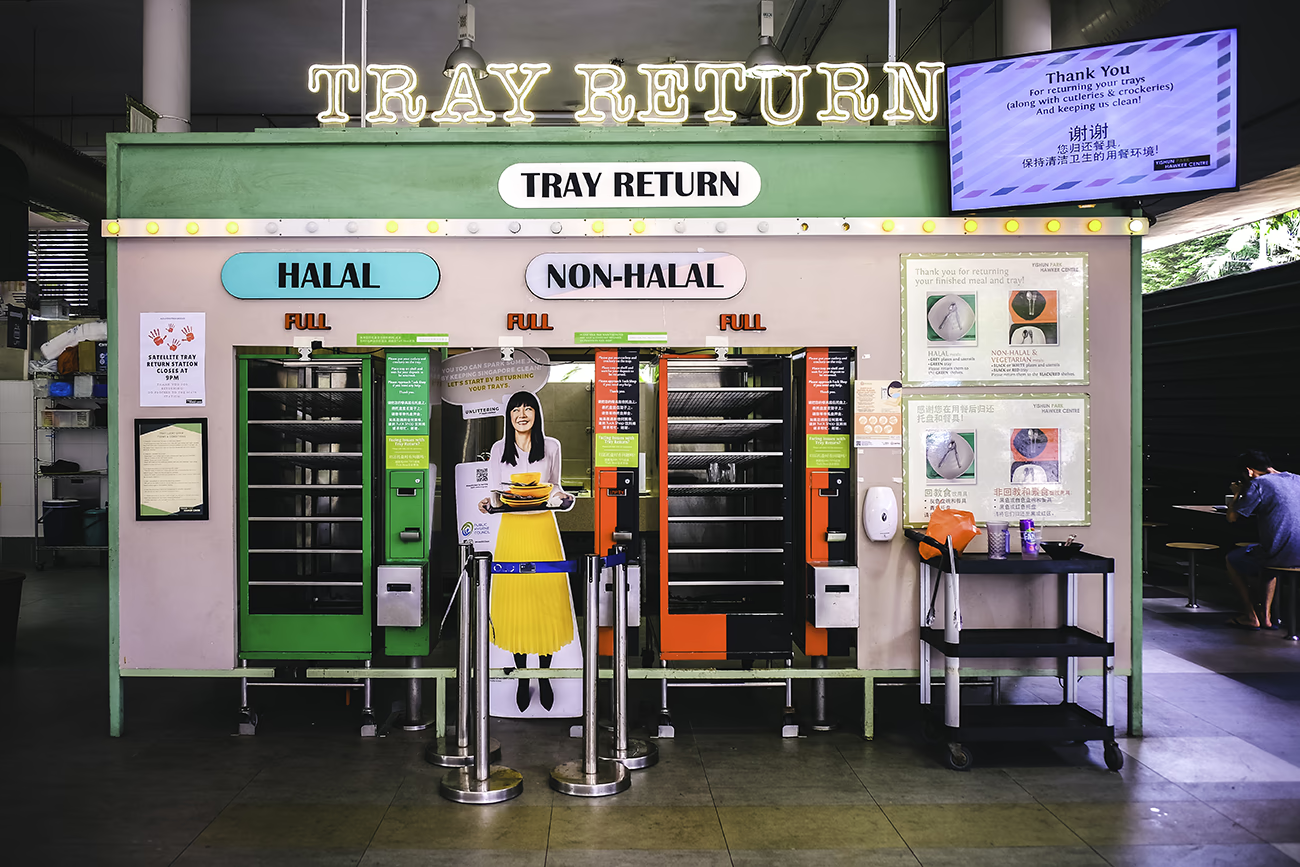
A) The Law: Hawker Centres, Food Courts & Kopitiams
This is the most important rule to know. In all public communal dining places—like hawker centres, food courts in malls, and local “kopitiams” (coffeeshops)—you must clear your tray after your meal.
This isn’t just polite etiquette; it’s legally enforced. A government officer can issue a written warning for a first offense. However, we want you to be aware that a second offense carries a composition fine of SGD $300, while subsequent offenders can face court fines.
How to Do It Right:
A Quick Tip: Halal vs. Non-Halal Stations
You will often see separate return stations for Halal food. Halal stalls usually use green-colored trays and plates. If you have green crockery, please return it to the designated Halal station to show respect for our Muslim community.

B) The Expectation: Fast-Food Chains & Self-Service Cafes
You will find this category includes international names like McDonald’s and Starbucks, but also local favorites like Ya Kun Kaya Toast. If you order your food at a counter and carry it to your table, you generally fall into this group.
While you won’t face a $300 fine here as you would at a hawker centre, the social expectation is just as strong. The staff focus on managing the counter and kitchen, not clearing tables. Leaving your tray behind is considered poor etiquette.
How to Spot the Station
It is very easy to find your way. Unlike the large, colorful stations at hawker centres, cafes usually have smaller, discreet metal racks or shelves.
Just look for a simple sign that says “Tray Return Point” or “Tray Return Area.” As you can see in our picture above, it is often a simple metal shelving unit.
What to Do
It is a quick, two-step habit that keeps the cafe comfortable and clean for the next person waiting for a seat.
C) The Exception: Full-Service Restaurants & Cafes
This is where you can relax. If you are at a full-service restaurant where a waiter takes your order at your table and brings you a bill at the end, the staff will clear everything for you. You are not expected to clear your own table here.
D) The Quick Stop: Convenience Stores (like 7-Eleven)
If you buy a snack or drink at a convenience store and consume it at one of their small standing tables, you are expected to throw your own wrappers and cups into the bin provided.

No Eating or Drinking on Public Transport
This is one of the most common ways tourists accidentally break a rule in Singapore. However, this rule isn’t just about being strict. It is a shared commitment to comfort.
We keep our trains and buses spotlessly clean so you can always find a dry, pleasant seat. This rule also keeps our public transport free from pests and unpleasant smells.
The Main Rule: No Consuming Food or Drinks
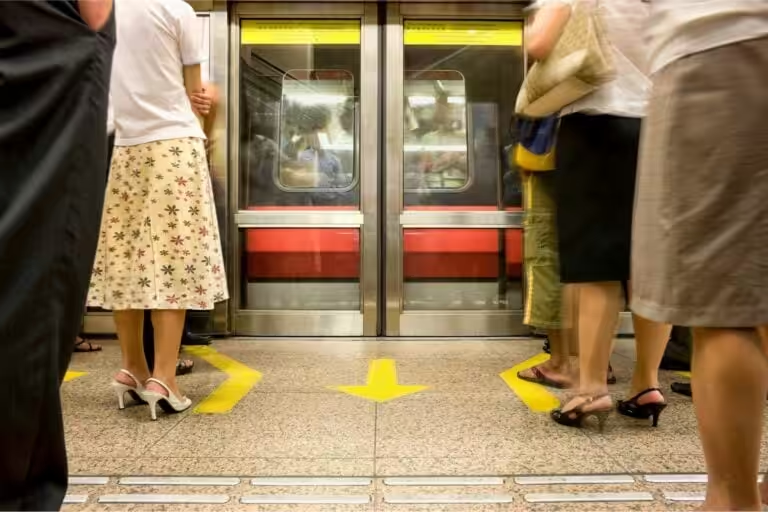
The rule applies the moment you enter the “paid area” of an MRT station (after you tap your card) or board a bus. It remains in effect until you tap out at your destination.
This rule exists to prevent spills, which can make floors slippery and dangerous, and to keep the trains and buses free from pests and unpleasant odours.
A Comfort Tip for Health & Hydration: We know this can feel strict, especially in the tropical heat. We recommend finishing your water or coffee before you tap your card to enter the station.
If you make an honest mistake, don’t panic. While the official fine can be up to SGD$500, officers are generally looking for people who make a mess, and you would likely get a friendly warning first.
Carrying Food is Okay (“Dabao”)
This rule doesn’t mean you can’t transport your food. Buying takeaway (we call it “dabao”) is a huge part of life here. It is perfectly fine to carry sealed food and drinks with you. The rule is only against consuming them.
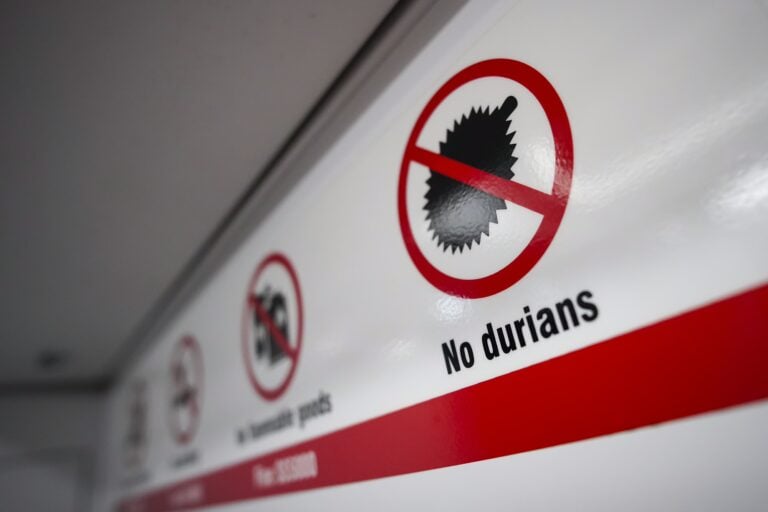
The Big Exception: No Durians
There is one big exception to the “carrying food” rule: the Durian.
If you’re new to Southeast Asia, the durian is a spiky fruit known as the “King of Fruits.” It has a very strong and pungent smell that lingers for a long time. People tend to either love it or hate it.
Because the aroma is so powerful, durians are completely banned from all public transport, including the MRT and buses, even if the fruit is sealed tightly in a bag. We find that a simple awareness of Singapore’s public transit regulations for the durian fruit effortlessly prevents the sudden anxiety of being stopped by station staff with your fresh market purchase, ensuring the daily journey remains perfectly comfortable and smell-free for all passengers.
Note: Almost all hotels ban durians too. The strong smell is very hard to remove from the rooms.
A Final Thought: It’s All About Comfort
These simple habits are a key part of what makes Singapore so clean and pleasant for everyone. By clearing your tray and saving your snack for after your ride, you’re helping to create a comfortable space that we can all enjoy. It’s a small way to travel like a local and ensure your trip remains truly relaxing and stress-free.
We know that rules can sometimes feel a bit overwhelming when you are just trying to unwind on vacation. However, in Singapore, these local customs are actually designed with your relaxation in mind. When everyone follows these shared habits, it ensures that the hawker centres stay tidy and the trains remain fresh and smell-free for your entire journey.
While managing your tray is easy, navigating the city with total peace of mind often requires understanding the broader Singapore laws for tourists that keep our public spaces safe and orderly. These frameworks provide the foundation for the high standard of comfort you will experience throughout the island.
By taking a moment to respect these communal rules, you transition from being a worried visitor to a confident traveler. You can stop second-guessing your every move and get back to what really matters—soaking in the vibrant culture and enjoying every delicious bite this city has to offer.
But Wait, What About…?
Can I really not even drink plain water on the MRT in Singapore?
Yes, the rule is strict, and plain water is included in the ban. The rule against consuming any food or drink applies the moment you enter the paid area of an MRT station or board a bus and remains in effect until you tap out. This isn’t just about being strict; it’s a core measure to prevent spills that could make the floors slippery and dangerous, and to ensure the public transport system remains spotlessly clean and free from pests and unpleasant odours for all passengers. It is highly recommended that you finish your water or coffee before you tap your card to enter the station, especially given the tropical heat.
What actually happens if I forget to clear my tray at a hawker centre?
If you simply forget, it’s unlikely you will face the full penalty immediately. Enforcement officers are typically looking for people who deliberately leave their mess or who refuse to clear their trays when politely asked. For an honest mistake, you will most likely receive a friendly reminder from a cleaner or a local. However, you should be aware that tray clearing in hawker centres, food courts, and kopitiams is legally enforced. A first offence will typically result in a written warning, but a second offence carries a composition fine of SGD $300, with subsequent offenders facing court fines.
Is it illegal to put my tray in the wrong return station (e.g., non-Halal in a Halal station)?
No, this is a matter of social etiquette and respect, not law, so you will not be fined by a government officer for returning your tray to the wrong station. However, separate return stations for Halal food are often provided—usually indicated by green-colored trays and plates. Taking the extra moment to return your crockery to the designated Halal station is a simple and valued way to show respect and consideration for Singapore’s Muslim community and help the stallholders maintain hygiene standards.
Do I also need to clear my tray at a full-service restaurant?
No, this is the main exception to the tray-clearing rules. You can relax at full-service restaurants and cafes. If a waiter takes your order at your table and brings you a bill at the end, clearing the table is part of the service provided by the staff, and you are not expected to handle it yourself. The clearance rule is legally enforced only in communal public dining spaces like hawker centres and food courts.
So I can’t eat, but can I carry takeaway food (“dabao”) on the MRT?
Absolutely, yes. Carrying sealed food and drinks, known locally as “dabao,” is a normal and permitted part of daily life. The rule strictly prohibits the consumption of food or drink while in the paid area of the public transport system. You can carry your takeaway meal and a sealed iced drink in a plastic bag back to your hotel. The key is that the food and drink must remain sealed and uneaten for the entire journey. For this reason, it’s best to avoid boarding with an open drink and a straw, as it is no longer sealed and poses a risk of spillage.
What about durian-flavored products, like a sealed bag of durian candy or a durian puff?
The ban on durian is strictly about the powerful, pungent smell that lingers for a long time. A small, sealed bag of commercially produced durian candy is generally acceptable. However, you are strongly advised against bringing fresh durian products, such as puffs, cakes, or any freshly cut fruit, even if they are in a sealed plastic bag. The smell can easily escape or be too strong, which defeats the purpose of the ban. To ensure a completely stress-free journey and avoid any potential issues, it is safest to enjoy any durian product before or after your ride.
Never Miss an Update
Add yourcomforttrip.com as a Preferred Source on Google to see more of my content in AI Mode and AI Overviews.