The durian fruit holds a legendary reputation across Southeast Asia as the bold “King of Fruits.” Many travelers want to try its rich, custard-like texture during their trip. The local culture loves this delicacy so much that the country even designed its famous Esplanade performing arts center to look exactly like a giant, spiky durian.
However, rumors about massive fines for carrying the actual fruit in the wrong places can quickly ruin your excitement.
We understand that navigating strict local laws feels incredibly stressful when you just want a relaxing vacation. A simple mistake with this pungent fruit can easily lead to an awkward confrontation or a surprise penalty. We will help you understand exactly where you can go so you can experience this local delicacy with total peace of mind.
Key Takeaways for a Stress-Free Trip

The Real Reason Behind Singapore’s Durian Bans
The ban exists because fresh durian releases a pungent smell that deeply absorbs into air-conditioning systems, carpets, and lifts. While the fruit tastes sweet, it naturally produces strong compounds that many unprepared travelers simply find smelly. This intense scent easily gets trapped inside enclosed spaces for days and becomes nearly impossible to remove quickly.
You might worry that these rules exist to punish unsuspecting tourists, but that is simply not true. Locals and property managers enforce these bans as a shared commitment to keeping public spaces comfortable for everyone. We all want to step into a fresh, clean hotel lobby or a pristine train car after a long day in the tropical heat.
By keeping the fruit out of these enclosed areas, the city ensures a pleasant environment for every guest. You can still easily find safe, comfortable places to enjoy the fruit without causing a disturbance. Understanding this simple fact helps you view the law as a proactive way to protect your own travel comfort.

Avoiding Surprise Cleaning Fines in Your Hotel Room
Premium properties like W Singapore, Carlton City Hotel, and Park Regis strictly enforce indoor fruit bans. If staff detect the smell, they will add a mandatory professional cleaning fee to your final bill at checkout. This fee can easily reach up to S$500.
The high cost covers the heavy-duty ozone generators staff must use to eliminate odors trapped in carpets and curtains. The scent doesn’t just linger in the air; it actively absorbs into soft fabrics and can remain in an enclosed room for several days, making it impossible to book the room for the next guest.
Many travelers try to outsmart these rules by hiding sealed fruit in their room’s mini-fridge, but this almost always backfires. As the fruit sits inside the cold mini-fridge, it naturally continues to ripen. If the fruit becomes overripe, this constant off-gassing causes the plastic packaging to swell like a balloon, eventually popping open overnight.
This rapidly contaminates the cooling coils and ruins other expensive snacks inside the minibar. Hotels will automatically charge you for spoiled beverages and the specialized steam cleaning they need to remove the odor from the room.
You might think booking a luxury room with a private balcony offers a clever loophole. Unfortunately, eating the fruit outside is still strictly prohibited. The ocean breeze easily blows the pungent scent directly into your neighbors’ open doors or into the hotel’s main air-conditioning intake valves. Security will quickly trace the smell back to your balcony and issue the same heavy cleaning penalty.
We want you to enjoy your luxury stay without facing an awkward and costly confrontation at the front desk. Do not attempt to hand your sealed purchase to the bellhop or concierge desk. Luxury hotels strictly refuse to store the fruit in their luggage rooms or staff refrigerators.
The staff will politely but firmly ask you to dispose of the fruit before stepping further into the lobby. This leaves you stranded on the driveway with an expensive purchase and a ruined schedule. Always assume your hotel prohibits indoor fruit and plan to eat it before returning to your room.

Navigating the MRT, Grab, and Taxi Rules
Singapore’s train operators ban fresh durian as a strict condition of carriage. It is not a government law, but station staff enforce the rule heavily to keep the air clean. You will easily spot the iconic red durian signs crossed out across every MRT station gantry and train car. Carrying the fruit onto trains or public buses will result in staff stopping you at the gantry. They will force you to either dispose of the fruit in an outside bin or leave the station entirely, which easily ruins a perfectly planned afternoon.
You might think a private ride-hailing app offers a safe alternative, but drivers actively protect their vehicles from contamination. Grab, Gojek, and standard taxi drivers will likely cancel your ride immediately if they spot the spiky fruit in your hands. If the smell leaks during a trip, the driver will likely report your account to the app’s support team. They may also demand an immediate cash cleaning fee or force you to exit the vehicle early.
Do not assume that booking a premium hotel limousine or a VIP airport chauffeur bypasses these rules. High-end private drivers are often much stricter than standard taxis. Their next passenger expects a flawless, odorless luxury vehicle, so the chauffeur will absolutely refuse to load the fruit into the trunk, regardless of how much you paid for the transfer.
The intense odor clings to leather seats and car air-conditioning vents for days. This prevents drivers from picking up their next passengers and directly hurts their daily income. Understanding this reality helps you plan your transport properly so you never end up stranded on the side of the road with a cancelled ride.

Rules for Cruise Ships, Private Yachts, and Observation Pods
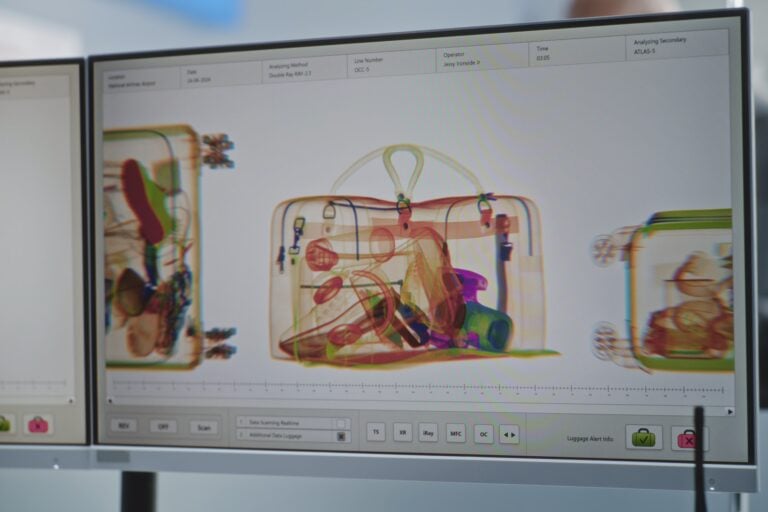
Many visitors extend their travel itineraries with a relaxing sailing from the Marina Bay Cruise Centre. However, every major cruise line strictly bans fresh and frozen durian from entering the ship. Port security scanners will flag the fruit hidden inside your luggage, and officers will permanently confiscate it before you board.
If you plan to rent a private luxury yacht out of Sentosa Cove, charter companies enforce the exact same bans. The intense odor quickly ruins expensive marine upholstery and teak wood cabins. Sneaking the fruit on board will immediately forfeit your hefty security deposit.
You will face similar restrictions at high-end sightseeing attractions like the Singapore Flyer and the Sentosa Cable Car. Operators prohibit carrying the fruit inside these enclosed, air-conditioned glass cabins. The heavy scent quickly traps itself inside the small space, ruining the scenic ride for the next group.
To avoid losing your expensive purchase at a security checkpoint, always finish your fruit tasting before heading to the cruise terminal or boarding an observation pod.

Can You Carry Durian in Shopping Malls and Public Spaces?
You can freely carry fresh durian while walking along open public streets, but property managers heavily frown upon bringing it into air-conditioned shopping malls. Enclosed spaces trap the pungent scent instantly, causing immediate discomfort for other shoppers and retail staff.
Security guards at busy mall entrances will only stop you if you are carrying open, strongly scented fruit that bothers other shoppers.
If you buy a tightly wrapped or vacuum-sealed box from a premium supermarket inside a mall, you are perfectly fine to continue walking around. As long as the packaging securely contains the smell inside your grocery bag, you will not face any issues.
However, we still recommend eating fresh, unsealed durian at the vendor’s stall rather than bringing it into an air-conditioned building.


Do the Rules Apply to Durian Candies and Pastries?
The local transport and hotel bans focus entirely on the lingering odor, meaning perfectly sealed hard durian candies are completely safe to carry anywhere. These commercially produced sweets contain the smell entirely and do not leak volatile scents into the air. You can confidently pack these treats as unique souvenirs for your friends back home without any worry.
However, freshly baked durian puffs, mousse cakes, and local ice cream still emit a strong scent. Thankfully, you can comfortably carry tightly taped bakery boxes onto the MRT without breaking any transit rules. Just be careful when bringing these soft treats back to your premium hotel, as the lingering aroma can still trigger a surprise cleaning fine.
If you purchase these delicate desserts, plan your travel route carefully. We highly suggest eating these delicious pastries immediately at the cafe rather than risking a stressful journey back to your room on a crowded train.
If you want to experience the absolute pinnacle of durian pastries, we highly recommend visiting the historic Goodwood Park Hotel. They are famous for their legendary D24 Durian Puffs and premium durian mousse cakes. Enjoying these high-end, creamy treats in a beautiful 5-star heritage hotel is the ultimate, stress-free way to safely satisfy your cravings.

Taking Durian on a Flight Out of Changi Airport
Changi Airport officially permits travelers to bring professionally vacuum-sealed durian into the departure hall. However, before you start packing, you must understand that the airport does not make the final decision. Your specific airline does.
Almost every major carrier strictly bans both fresh and frozen durian in your carry-on bags and standard checked luggage to protect cabin air quality. If your airline rejects the package at the regular check-in counter, you will have to throw it away immediately.
You might notice that a few specific airlines, like Malaysia Airlines, technically allow the fruit on their flights. However, they do not let you simply drop it off with your normal suitcase. You must ship it as official air cargo through their separate logistics subsidiary.
This means you have to secure industrial leak-proof packaging, navigate a commercial cargo terminal, and fill out complex shipping paperwork. Unless you absolutely must share this exact fresh fruit with friends back home, this extreme method is a massive logistical headache. Spending your final vacation day navigating a commercial freight terminal will completely ruin your relaxing trip.
Even if you successfully ship it, you still face strict agricultural customs when the cargo lands. Many countries will immediately destroy unauthorized fresh produce at the border.
If you want to share this unique flavor overseas, we recommend completely skipping the fresh fruit. Instead, purchase premium durian souvenirs like freeze-dried chunks, high-end chocolates, or sealed pastries. Top-tier souvenir shops like Discover Singapore, The Cocoa Trees, Bengawan Solo, and Taste Singapore carry a wide variety of premium local food gifts.
For the ultimate stress-free experience, we highly recommend browsing the live inventory online via iShopChangi, the airport’s official e-commerce platform. You can comfortably pre-order your premium durian snacks days in advance and simply pick up the packed bags at the transit collection counter right before boarding your flight.

How to Pack Durian for a Safe Grab or Taxi Ride
To pack durian for a safe Grab or taxi ride, you must ask the fruit vendor to use industrial vacuum sealing to seal your purchase in thick plastic. Standard takeaway boxes and thin cling wrap will quickly leak the pungent odor into the enclosed space of a premium private hire car. If the smell escapes, your driver will likely cancel the trip or demand a heavy cleaning fee, creating a highly stressful situation in the middle of your day.
A proper vacuum seal uses a heavy-duty machine to extract all the air from a thick plastic pouch. The machine forcefully compresses the bag tightly against the fruit, creating a completely airtight barrier. This specialized packaging totally traps the smell, ensuring the luxury car interior remains completely odor-free.
Once your purchase is safely sealed, slip it into a premium paper carrier bag or a high-end cooler bag so it looks completely unassuming. We highly recommend sending a quick, polite message to your driver through the app immediately after booking your ride.
Simply inform the driver that your fruit is industrially vacuum-sealed and completely odorless. This gentle courtesy builds instant trust, prevents frustrating cancellations, and guarantees a seamless, comfortable ride to an outdoor park or a local friend’s house.
Air-Conditioned Durian Tasting Shop
You do not need to stand around a sweaty, humid street stall in crowded areas like Geylang to enjoy this famous delicacy. The most comfortable way to experience premium varieties like Mao Shan Wang, also widely known as the famous Musang King, is by visiting a modern, air-conditioned durian boutique like 99 Old Trees or The Durian Story. These refined cafes offer table service, comfortable seating, and a completely relaxing atmosphere.
These premium tasting rooms feature advanced odor-control filters and dedicated washing stations so you never leave with sticky fingers or smelling like the fruit. The staff will expertly open the spiky shells for you. This allows you to focus entirely on the sweet flavour of the soft flesh, which you can even spread over fresh pastries at certain cafes. It is the perfect, stress-free way to participate in local food culture while maintaining your high travel standards.

Frequently Asked Questions About Singapore Durian Rules
What happens if I accidentally bring durian onto the MRT?
If you make an honest mistake and carry the fruit toward the train gantries, station staff will usually just pull you aside politely. They understand that tourists sometimes miss the warning signs and just want to keep the station smelling fresh. They will simply ask you to dispose of the item in a designated bin or leave the station entirely.
Station staff typically only enforce heavy fines if a traveler argues, tries to hide the fruit, or causes a major disruption inside an enclosed train car. If you ever find yourself in this situation, simply stay calm, apologize, and comply with their instructions immediately.
Can I bring fresh durian across the border from Malaysia?
The Singapore Food Agency officially allows travelers to bring small, reasonable quantities of fresh fruit from Malaysia for personal consumption. You will not break any customs laws by bringing a few durians across the Causeway.
However, the intense smell will quickly trap itself inside your licensed cross-border taxi. This often leads to drivers refusing your trip or charging you a massive cleaning fee halfway through the journey.
Avoiding this situation keeps your travel day comfortable. It ensures you return to your hotel without experiencing any frustrating logistical friction.
Can I carry vacuum-sealed durian on the MRT?
No, you still cannot bring the fruit onto the MRT even if the vendor completely vacuum-seals it. The local public transportation systems enforce a strict blanket ban on the fruit itself, regardless of how tightly vendors package it.
Station staff simply do not have the time to inspect every passenger’s bag to verify if a seal is perfectly airtight. If they spot the recognizable shape of the fruit or a durian vendor’s branded plastic bag, they will immediately ask you to leave the station.
Trying to sneak it past the gantries will only lead to unnecessary stress and a potentially ruined travel schedule. To keep your day moving smoothly, always rely on a standard taxi or a private hire car when transporting these sealed packages.
Will Grab drivers accept rides if my durian is vacuum-sealed?
Many private hire drivers will gladly accept your ride if the fruit is professionally vacuum-sealed and emits absolutely zero odor. However, accepting the ride remains entirely up to the individual driver’s personal discretion. They always retain the right to refuse the pickup to protect their vehicle’s interior.
Drivers often worry because previous passengers have lied about their packages being perfectly sealed, resulting in a ruined car and lost income. To prevent a frustrating cancellation when the car arrives, we always recommend sending a quick in-app message to the driver immediately after booking.
Simply inform them politely that you have an industrial vacuum-sealed package that produces no smell. This respectful communication builds instant trust and ensures a smooth, conflict-free journey back to your accommodation.
Transitioning Smoothly to Your Next Local Meal
These premium tasting rooms share a philosophy with the broader approach to shared public spaces found across the city. The same commitment to cleanliness and communal comfort extends throughout the famous local food scene.
Understanding Singapore’s strict tray return laws and transit food bans helps maintain that same relaxed, stress-free atmosphere at every meal. Whether you just tasted the pungent king of fruits or you are about to enjoy a rich bowl of laksa, knowing these simple daily habits ensures your culinary journey remains completely seamless.
Never Miss an Update
Add yourcomforttrip.com as a Preferred Source on Google to see more of my content in AI Mode and AI Overviews.