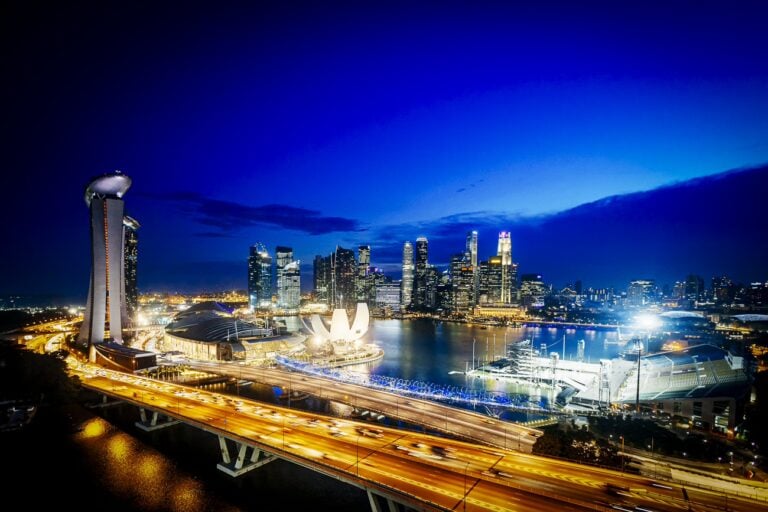
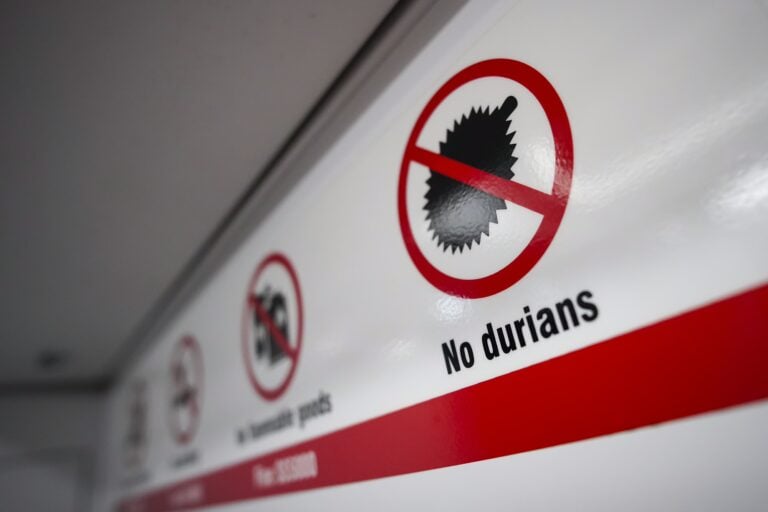
Singapore calls itself a “City in Nature”—and for good reason. From the manicured lawns of the Botanic Gardens to the rugged, monkey-filled trails of MacRitchie Reservoir, greenery is woven into the very fabric of the city. But to keep these spaces pristine (and safe), the government enforces strict rules that can surprise the unprepared traveler.
For the comfort-seeking visitor, these rules shouldn’t be seen as restrictions. Instead, think of them as “Etiquette for Peace.” They are the reason you can walk through a rainforest without seeing trash, and enjoy a picnic without loud music drowning out the birdsong.
Consideration for others and the environment is a core value behind Singapore park rules. Visitors are encouraged to be mindful of their conduct, showing respect for fellow park-goers, wildlife, and shared amenities to ensure everyone can enjoy these green spaces.
However, the fines are real, and “I didn’t know” is rarely accepted as an excuse. This guide breaks down the essential Singapore park rules—distinguishing between casual “Parks” and strict “Nature Reserves”—so you can explore the Garden City with total peace of mind, knowing that proper conduct is expected from all visitors.
The “Golden Rules” for Every Green Space
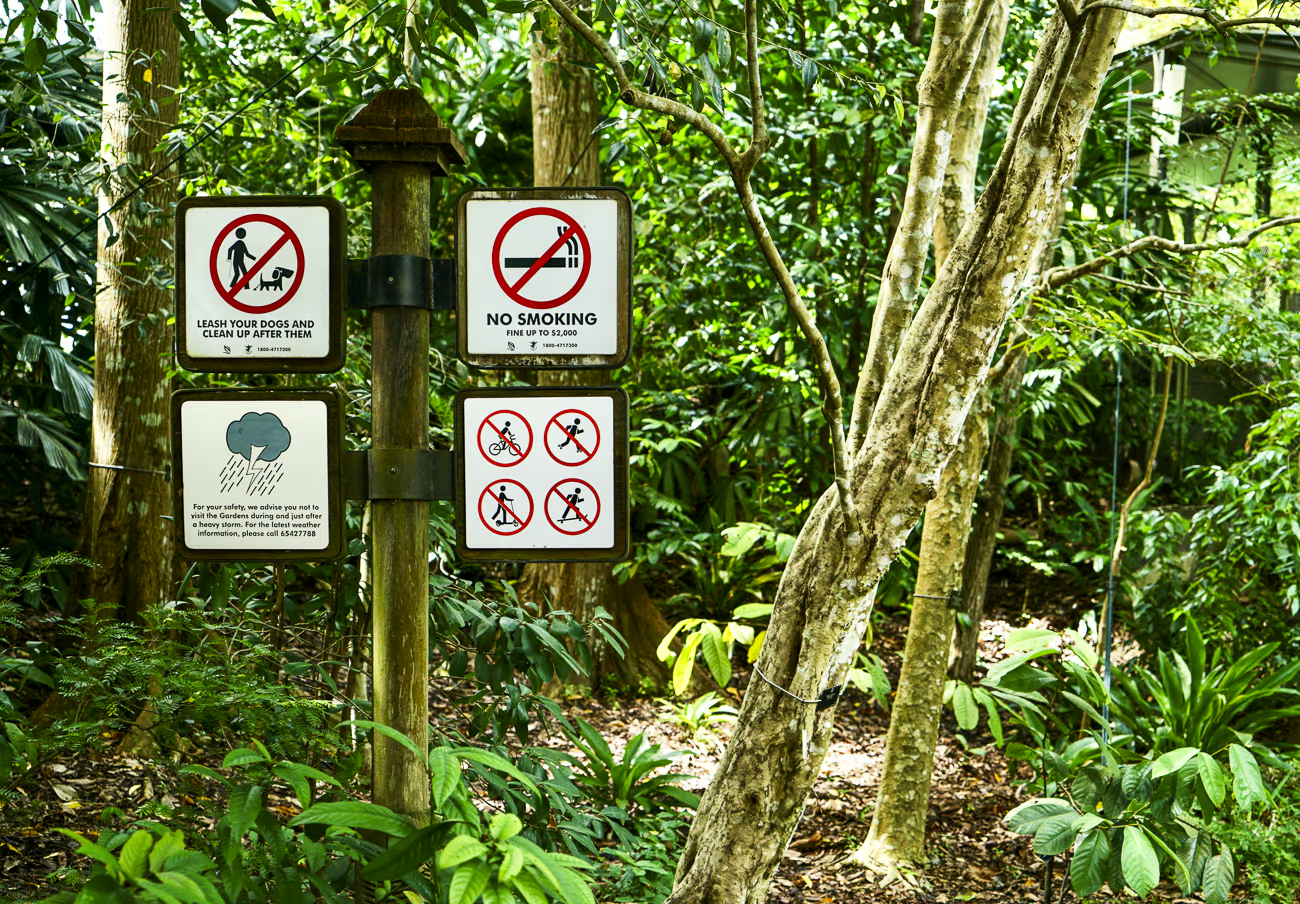
Before we dive into specific locations, these are the universal laws that apply whether you are sitting on a bench in the city center or hiking deep in the jungle. Certain acts are prohibited or regulated in all parks and nature reserves, and every person visiting a park is subject to these rules.
1. Littering: Zero Tolerance
Singapore’s reputation for cleanliness is maintained by strict enforcement, not just culture.
2. Smoking: The “Yellow Box” Rule
This is the most common trap for travelers.
3. Noise & Audio Speakers
To preserve the “comfort” of the environment, Singapore values silence, especially in nature areas. Visitors are expected to behave in a manner that respects the peace and quiet of the park environment.
Parks vs. Nature Reserves: Know the Difference
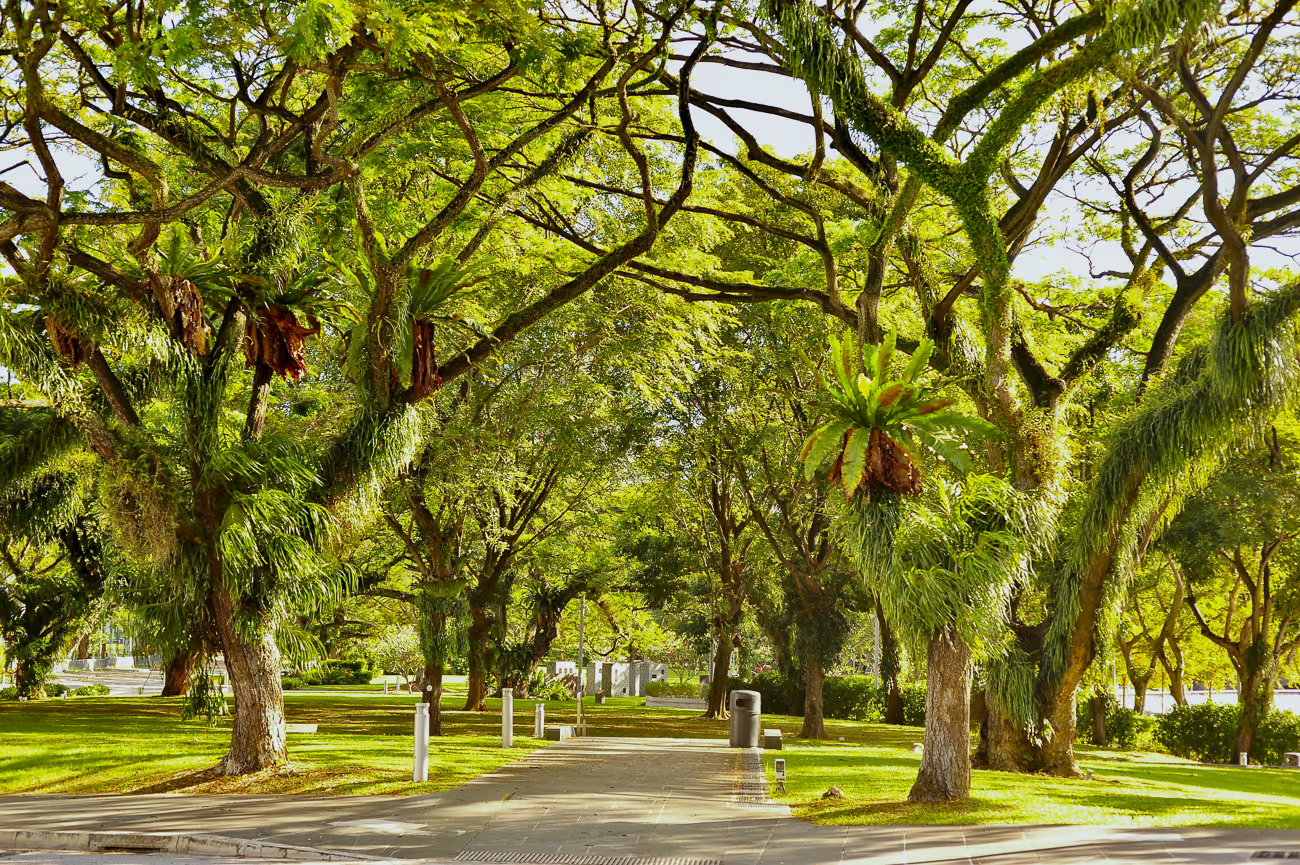
One of the biggest mistakes travelers make is assuming “green means go.” In Singapore, green spaces are legally divided into Public Parks (designed for recreation) and Nature Reserves (strictly protected for conservation). Admission to certain protected areas or activities may require prior approval or a permit, so it’s important to check entry requirements before your visit. Confusing the two can lead to being turned away at the entrance—or facing a hefty fine.
Some activities within parks and nature reserves may also require a licence from the relevant authorities, especially if you plan to conduct events, research, or use specific facilities.
Public Parks (Recreation Friendly)
Note: Cyclists looking to explore these routes should check the National Parks Board (NParks) Park Connector Network map to see how the trails link up island-wide.
Nature Reserves (Strict Conservation)
The Big 4:
The Vibe: These are protected ecosystems. The rules here are rigid to protect primary rainforests and biodiversity.
Strict “Don’t” List:
Wildlife Laws: Interaction & Feeding
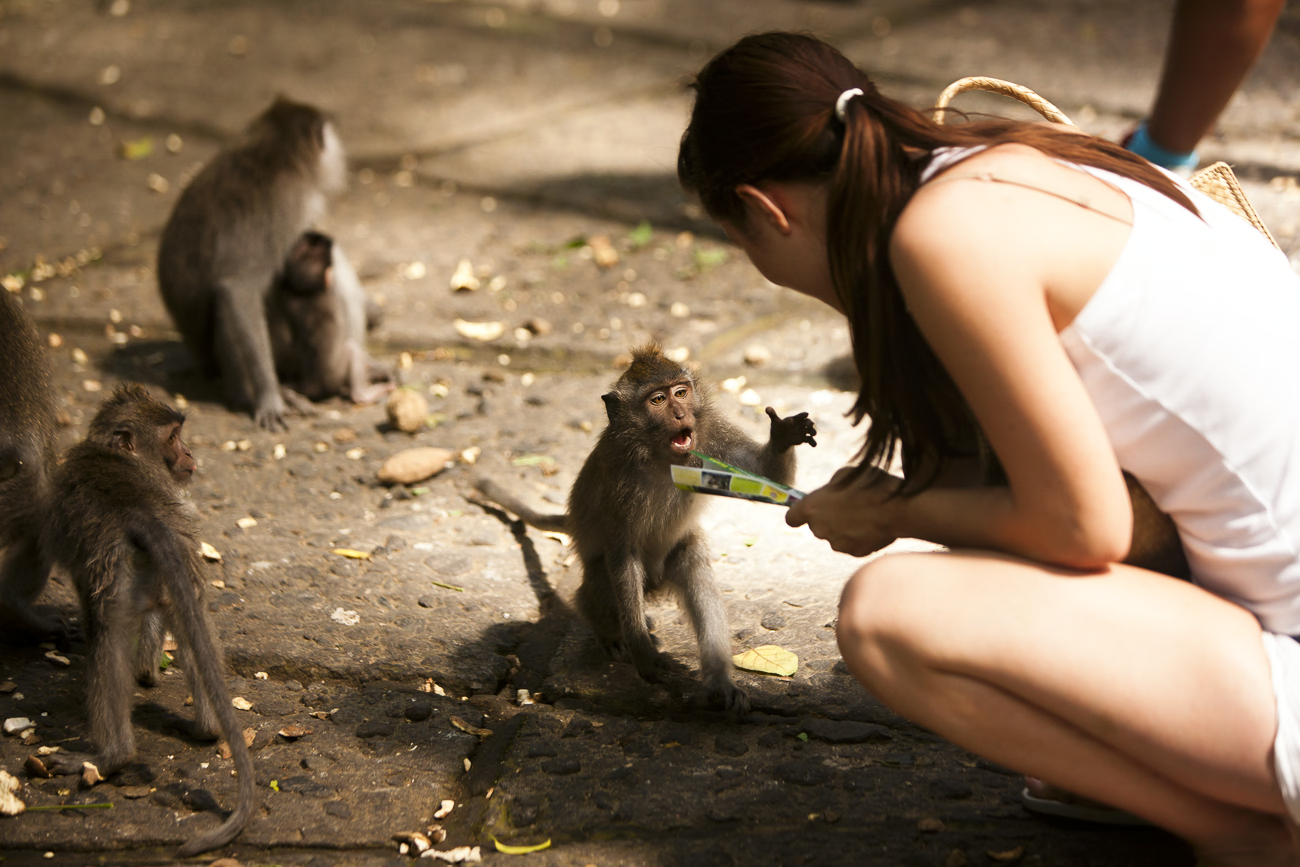
One of the highlights of Singapore’s green spaces is the incredible biodiversity. On a lucky day, you might spot Long-tailed Macaques, Monitor Lizards, Otters, or even look up to see a White-bellied Sea Eagle circling over the reservoirs. However, interactions with them are strictly regulated.
The “Rule” here is simple: Observe from a distance. Trying to get closer or feed them doesn’t just risk a fine; it often leads to aggressive behavior that can ruin your relaxing walk. Always follow the direction of park authorities or posted guidelines when you encounter wildlife to ensure both your safety and the well-being of the animals.
1. The “No Feeding” Rule
Many travelers think sharing a snack with a monkey or tossing bread to birds and fish is an act of kindness. In Singapore, this is a serious offence.
2. “Mercy Release” is Forbidden
“Mercy Release” (the ritual of releasing animals like turtles, fish, or birds into the wild for good karma) is strictly banned in Singapore.
Note: If you are unsure how to react when an animal approaches you, review the NParks wildlife encounter guidelines to learn the safe distancing protocols for boars and monkeys.

Water & Island Regulations
Singapore’s relationship with water is unique. While we are an island nation, many of our scenic lakes are actually reservoirs—catchment areas for our drinking water. This distinction creates a specific set of rules that differs from a typical beach holiday.
Access to some island parks or water areas may be restricted for certain types of vehicles, including heavy vehicles, bicycles, motorized bicycles, and boats, with designated parking spaces and regulated parking authorization enforced within these areas.
1. Reservoir Rules: No Swimming
Travelers often see the serene waters of MacRitchie or Bedok Reservoir and feel tempted to take a dip.
2. Fishing: Designated Zones Only
Fishing is a popular pastime, but it is heavily regulated by the Public Utilities Board (PUB).
3. Camping Permits are Mandatory
If you wish to camp in Singapore, you must do so only at designated campsites and with the proper permit—camping outside these areas is not allowed. Unlike some countries where you can pitch a tent in any open forest, “wild camping” is illegal in Singapore.
Note: Campers must secure a valid camping permit via AXS at least two weeks prior to their trip to ensure availability. Responsible camping helps preserve the parks and ensures a safe, enjoyable experience for everyone.
Airspace & Path Regulations: Kites, Drones & Cycling
Singapore is small and densely packed, meaning the “air” and “ground” are shared spaces with strict boundaries. Managing traffic flow—both pedestrian and vehicular—is essential to ensure safety and order within Singapore’s parks. Whether you are launching a drone or renting a bicycle, you are entering a regulated zone.
1. Flying Kites Safely & Legally
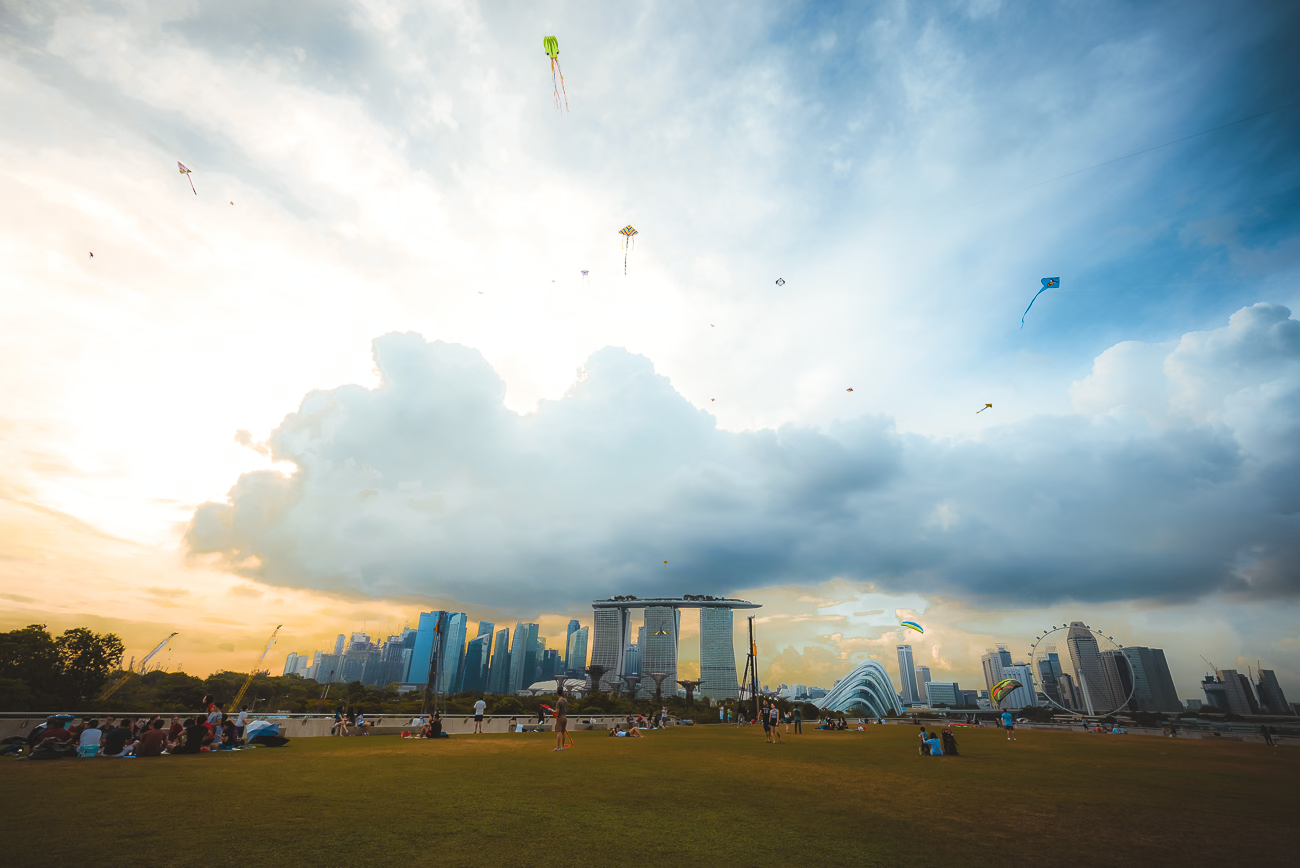
Flying a kite on a breezy day is a popular joy in Singapore, but because we are a major global aviation hub, a simple kite can turn into a serious hazard.
Recommendation: For a stress-free experience, head to Marina Barrage. It is the designated safe haven with wide-open rooftop lawns and great wind, safely away from flight paths.
2. Drones (UAVs): Know the “No-Fly” Zones
Drones are treated with the same seriousness as kites.
3. Personal Mobility Devices (PMDs) & Cycling
If you rent a bicycle or e-scooter, you need to know which path is which. Singapore separates them clearly.
Bicycles and PMDs should be parked only in designated lots to avoid obstruction and penalties.
Preserving the Garden City Glow
Singapore Park Rulesmight seem extensive on paper, but they are the secret ingredient to the city’s charm. They are the reason you can walk barefoot on a beach without stepping on glass or hike through a rainforest without hearing a drone buzz overhead. While exploring the greenery is easy, navigating with total peace of mind often requires understanding the Singapore Essential Laws that keep the city orderly.
For the comfort traveler, these rules are not burdens—they are guarantees. They guarantee that your morning walk will be peaceful, your picnic will be clean, and your encounter with nature will be authentic. By following these simple “Golden Rules”—leashing your pets, hiding your snacks, and watching the clock—you ensure your trip remains exactly what you planned it to be: relaxing, luxurious, and completely stress-free.
We believe that respecting these shared spaces allows everyone to recharge fully without the disruption of crowds or chaos. Embracing this local etiquette ensures that the “City in Nature” remains a sanctuary for both the wildlife and the hardworking professionals who come here to find a moment of Zen. When you step back into the urban bustle, you do so knowing you’ve contributed to the very beauty that made your visit so restorative.
The ‘Just in Case’ Guide: Questions Answered
Can I drink alcohol in Singapore parks?
Yes, you are generally free to enjoy a picnic with beer or wine in public parks (like East Coast Park or the Botanic Gardens), but there is a strict time limit you must watch.
Is it safe to visit parks at night?
Generally, yes. Singapore is ranked as one of the safest cities in the world, and most neighborhood parks and Park Connectors are well-lit and frequented by joggers well into the evening. However, there is a major distinction for Nature Reserves.
Can I fly a drone at Gardens by the Bay?
No, this is a strict “No-Fly Zone.” Many travelers assume that because it is an open outdoor space, it is drone-friendly, but that is a common mistake.
What should I do if a monkey blocks my path?
First, do not panic. Long-tailed Macaques are common on trails like MacRitchie and are generally not aggressive unless they associate you with food.
The Protocol:
What if I get lost or injured deep in a trail?
Singapore’s parks have a unique, built-in safety system that every traveler should know about: the Lamp Post ID.
Can I cycle through the Nature Reserves?
Generally, no. You need to distinguish between “Park Connectors” and “Nature Trails.”
Do I need to worry about mosquitoes or Dengue?
It is a valid concern in any tropical country, but it shouldn’t stop you from exploring. Dengue fever is a risk in Singapore, and the mosquitoes are most active during dawn and dusk.
Do these fines apply to children?
Generally, yes. While rangers are unlikely to issue a SGD$300 fine to a 5-year-old for dropping a tissue, parents are liable for their children’s conduct in Nature Reserves.
Never Miss an Update
Add yourcomforttrip.com as a Preferred Source on Google to see more of my content in AI Mode and AI Overviews.