That moment of hesitation while packing—”Can I bring this?”—is a familiar anxiety for any traveler. But when your destination is Singapore, that question carries significant weight. This isn’t a place to guess or take a chance.
The comfort and security you see on our streets are not an accident; they are the direct result of clear, strictly enforced rules. The laws on prohibited items are not suggestions; they are firm lines drawn to protect public health, safety, and social order. Trying your luck at the border is a risk that simply isn’t worth taking, as ignorance of the law is not considered a valid excuse.
Our goal with this guide is to give you absolute clarity. We will cover the high-stakes items that cause the most trouble for visitors, explaining not just the rule, but the serious consequences of breaking it. Understanding these non-negotiable boundaries is the first and most important step to ensuring your trip is comfortable for all the right reasons.
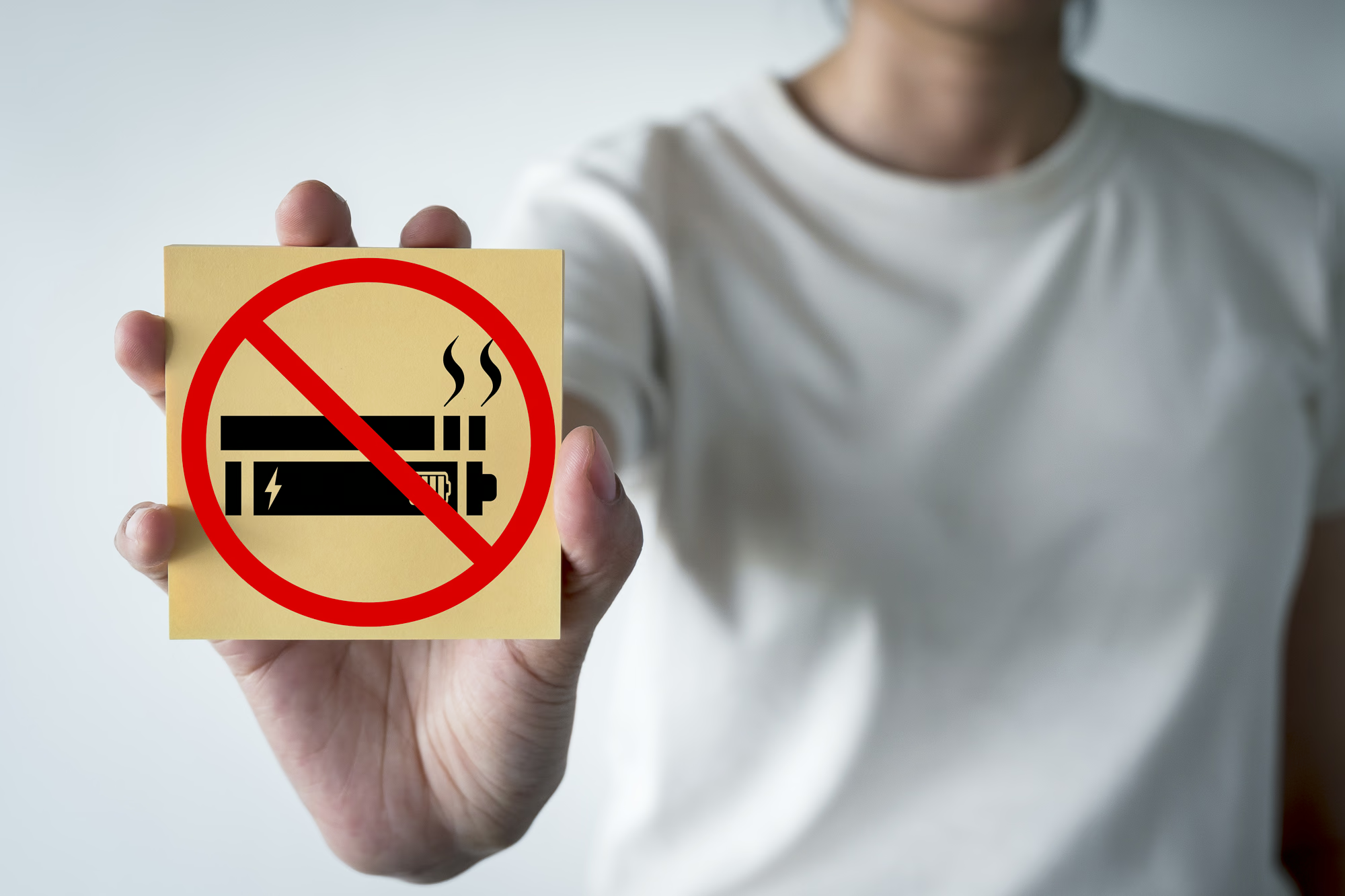
The Vaping & E-Cigarette Ban: A Critical Warning
Let us be perfectly clear: when it comes to vaping in Singapore, there is zero ambiguity. It is illegal to import, possess, or use any type of e-cigarette, vape, or related component. This is not a guideline; it is an absolute, non-negotiable ban.
However, the reason for this strictness has recently become even more serious, and it is vital that you understand why.
The “Hidden Drug” Risk
Authorities have discovered a dangerous trend: approximately one in three vapes seized in recent raids were found to be laced with Etomidate, a potent sedative. As a result, Etomidate is now officially classified as a Class C controlled drug under the Misuse of Drugs Act.
This changes everything for a traveler. If this substance is found in your vape—and you have no way of knowing if it is—you are no longer just breaking a vaping law. You are considered to be illegally bringing controlled drugs into Singapore.
The Consequences: Why It’s Not Worth It. The penalties for this are severe and can indefinitely pause your travel plans:
Pleading that you “didn’t know” what was in the device is not a valid legal defense.
For a completely comfortable and stress-free trip, our advice is unequivocal: leave all vaping devices, e-liquids, and components at home. It is the only way to guarantee a smooth, issue-free arrival.
It’s Not Just Vapes: Shisha and Snus
It is important to note that this ban extends beyond just electronic devices. Singapore strictly prohibits the importation of Shisha (waterpipe) tobacco and smokeless tobacco products (such as chewing tobacco, Snus, or Gutkha). Just like vapes, these items will be confiscated, and carrying them can lead to significant fines.
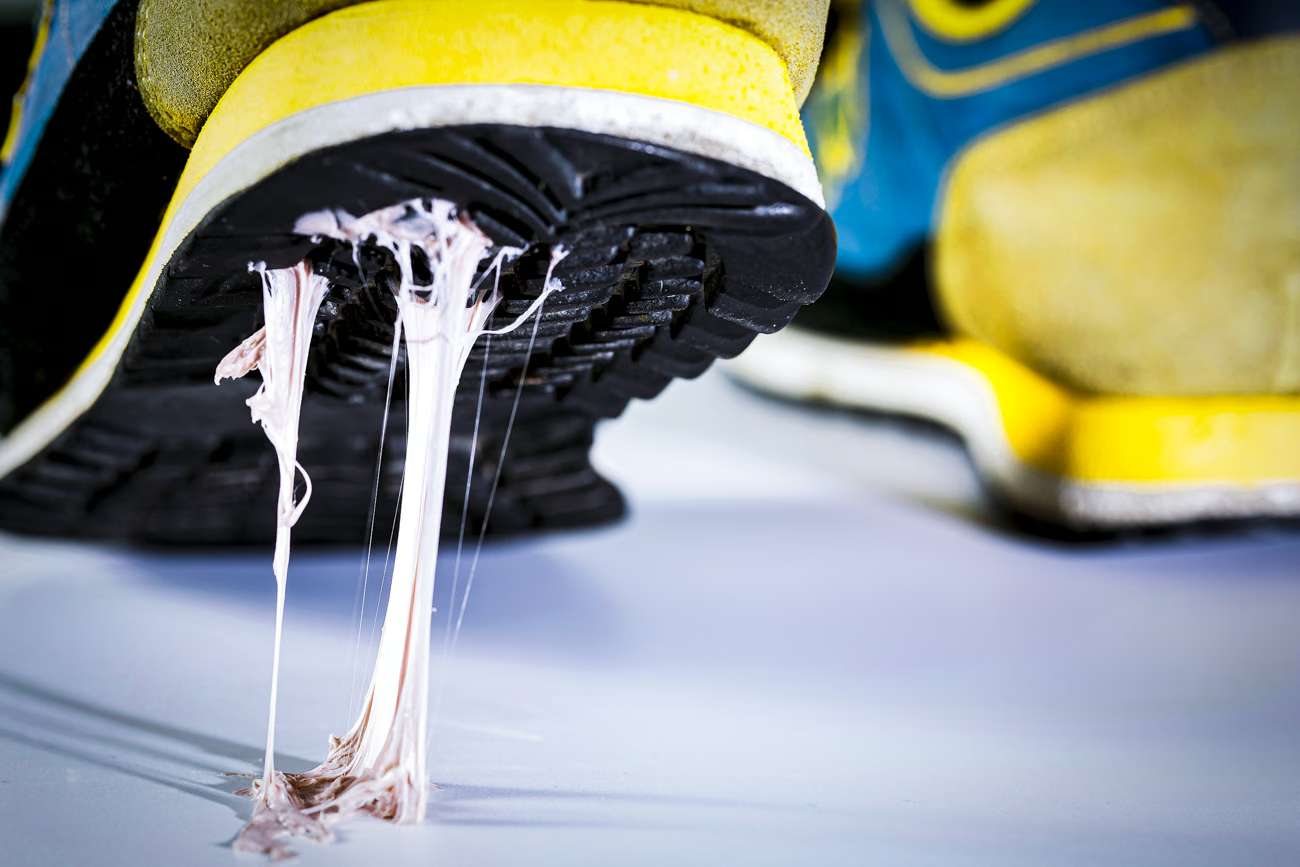
The Famous Chewing Gum Rule
Of all of Singapore’s rules, the ban on chewing gum is easily the most famous—and the most misunderstood. It’s a rule that seems strange from the outside, but like most things in Singapore, it was created for a very practical reason.
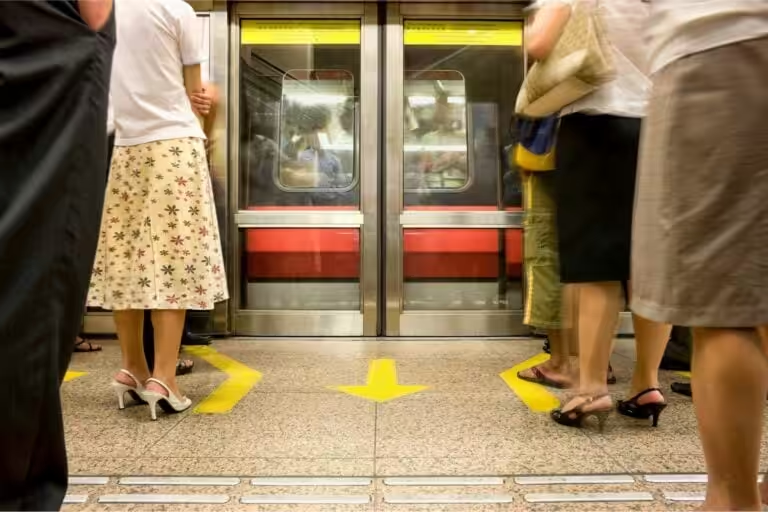
Back in 1992, the government banned the importation and sale of chewing gum to solve a persistent and expensive problem. Vandals were sticking used gum on the door sensors of our MRT subway trains, causing disruptions and delays. The costs of cleaning gum from public spaces were also enormous. The ban was simply a straightforward solution to keep our public services running smoothly and our streets clean.
Here’s the part that often confuses visitors: it is not illegal to chew gum in Singapore. The law focuses on stopping the sale and importation. If you are seen chewing gum, no one will stop you. However, you will face a hefty fine for littering if you spit it out on the ground—the same penalty as for any other piece of trash.
While you might be tempted to bring a pack for personal use, please know this is technically illegal importation. Though an officer is unlikely to prosecute you for an open pack, they have the right to confiscate it.
For a truly comfortable trip without any unnecessary hassle, our advice is simple: leave the chewing gum at home.
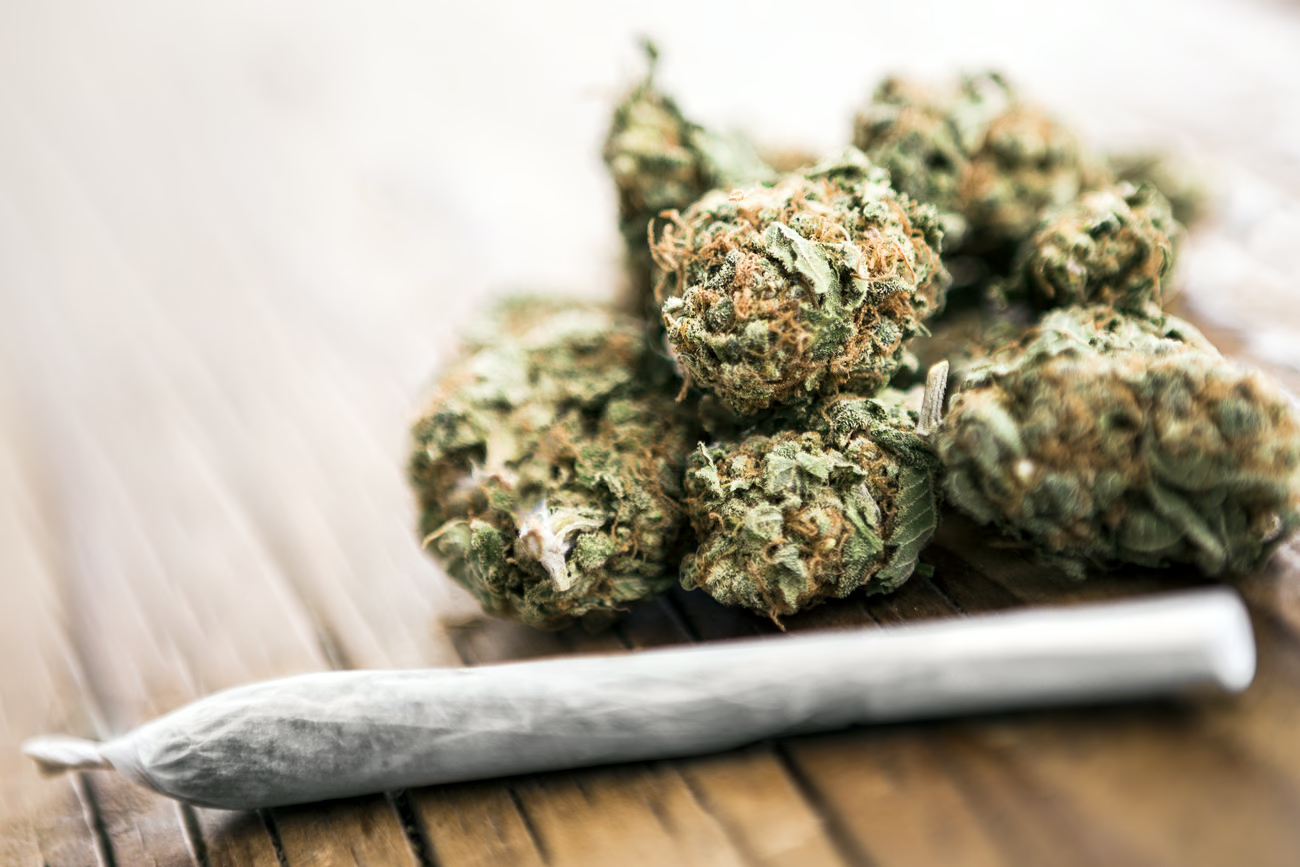
Illegal Drugs (Including Cannabis)
This is the most critical section of this guide. We urge you to read it with your full attention. Singapore’s stance on illegal drugs is known globally for being strictly enforced, with penalties that are severe and non-negotiable.
The “Soft Drug” Myth
There is no distinction between “soft” and “hard” drugs here. Cannabis (Marijuana/Weed) is classified as a Class A controlled drug, placing it in the same legal category as Heroin, Cocaine, Ecstasy (MDMA), and Methamphetamine. You can view the full legal definitions and list of prohibited substances on the official Central Narcotics Bureau (CNB) website.
Foreign prescriptions, “Medicinal Marijuana” cards, or claims of legal use in your home country (including for CBD products) are not recognized. They hold absolutely no legal standing here.
Extraterritorial Laws: The “In-System” Rule
This is a common pitfall. Singapore’s laws have an “extraterritorial” effect. Authorities can conduct drug tests at entry points like Changi Airport. If you test positive for drugs, you can be charged with consumption, even if you consumed them legally in another country before your flight. If it is in your system in Singapore, you are in possession of it.
The Penalties: High Stakes
To understand the gravity of these laws, look at the specific penalties, which are enforced without exception:
The “Drug Mule” Trap: Don’t Be a Victim
Finally, under Singapore law (“Strict Liability”), you are presumed to know the contents of your luggage. International syndicates often prey on travelers using “sob stories” or offering money to carry a package or “extra gift” across the border.
Never carry a bag or item for someone else, no matter how much you trust them. Claiming you “didn’t know” what was inside is not a valid legal defense. You are solely responsible for what enters the border in your possession.
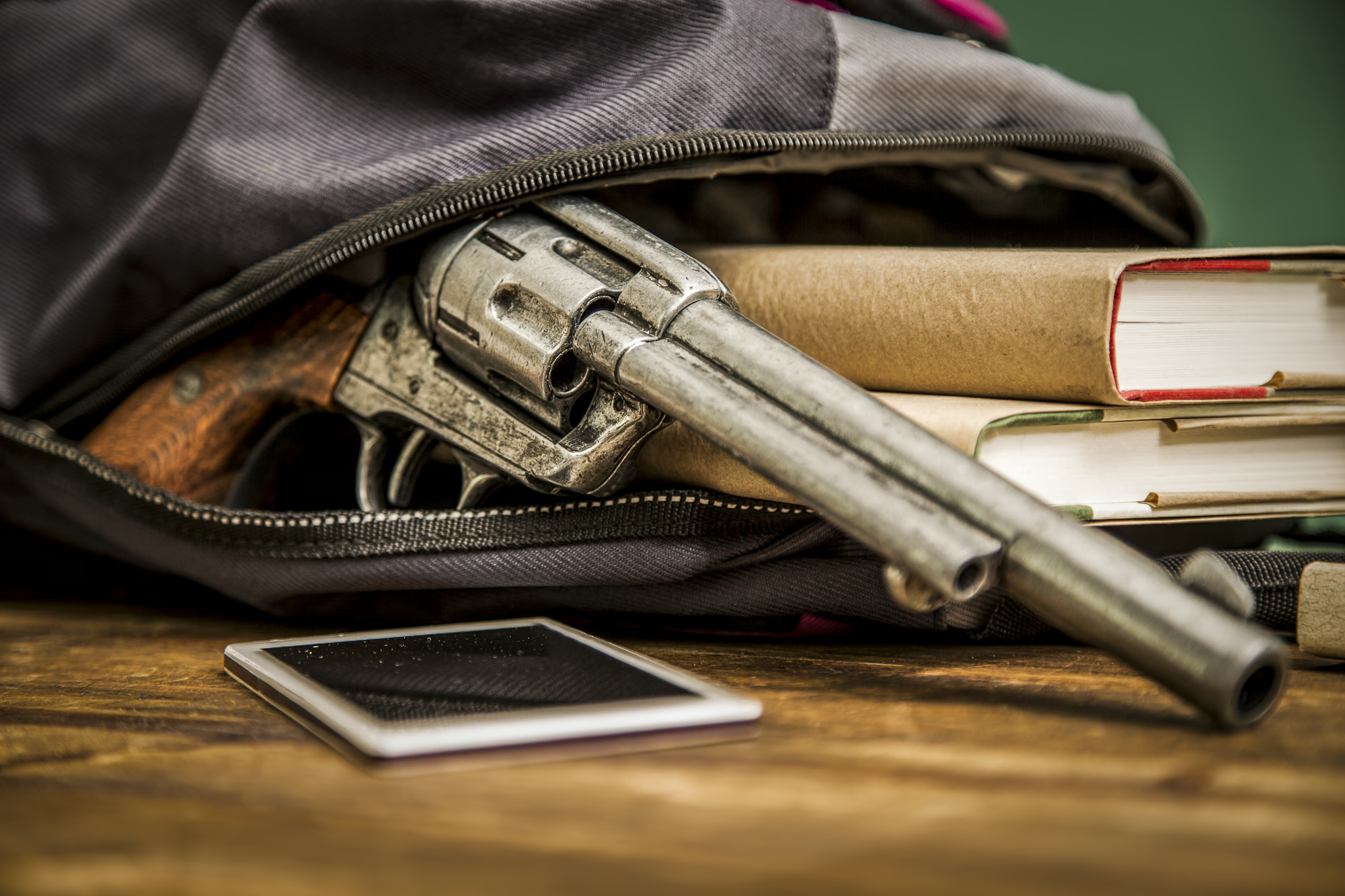
Weapons, Replicas, and Self-Defense Items
Singapore’s philosophy on public safety is built on prevention, which is why our laws on weapons are exceptionally strict. Items that may be considered standard for self-defense in other countries are often classified as controlled weapons here and are strictly prohibited. The goal is to remove dangerous items from public spaces entirely, ensuring a high level of security for everyone. You must not bring items like pepper spray, knuckle dusters, flick knives, stun guns, tasers, or batons.
Even multi-tools or pocket knives require careful consideration. A standard Swiss Army Knife is generally seen as a utility tool and is permissible in your checked luggage (never in your carry-on). However, the final decision always rests with the customs officer. An item with an unusually long blade, a spring-assisted opening mechanism, or features that suggest it is designed more for combat than for utility could be confiscated.
The ban also extends to realistic replicas, and this is where a simple souvenir can turn into a severe ordeal. That novelty lighter shaped like a grenade, a realistic-looking toy gun, or even a phone case designed like a pistol is not treated as a harmless joke here; it is viewed as a potential security threat.
Bringing such an item will trigger an immediate alert at the baggage scanner. You can expect to be escorted by armed officers to a secure screening room for intense questioning. Your bags will be thoroughly searched, you will be required to provide a formal statement, and the item will be confiscated.
This process can take hours, causing significant stress and delays. Depending on the officer’s assessment of the perceived threat, you could face fines and have an official record with Singapore’s authorities. It’s a deeply uncomfortable and entirely avoidable situation that will ruin the start of your trip.
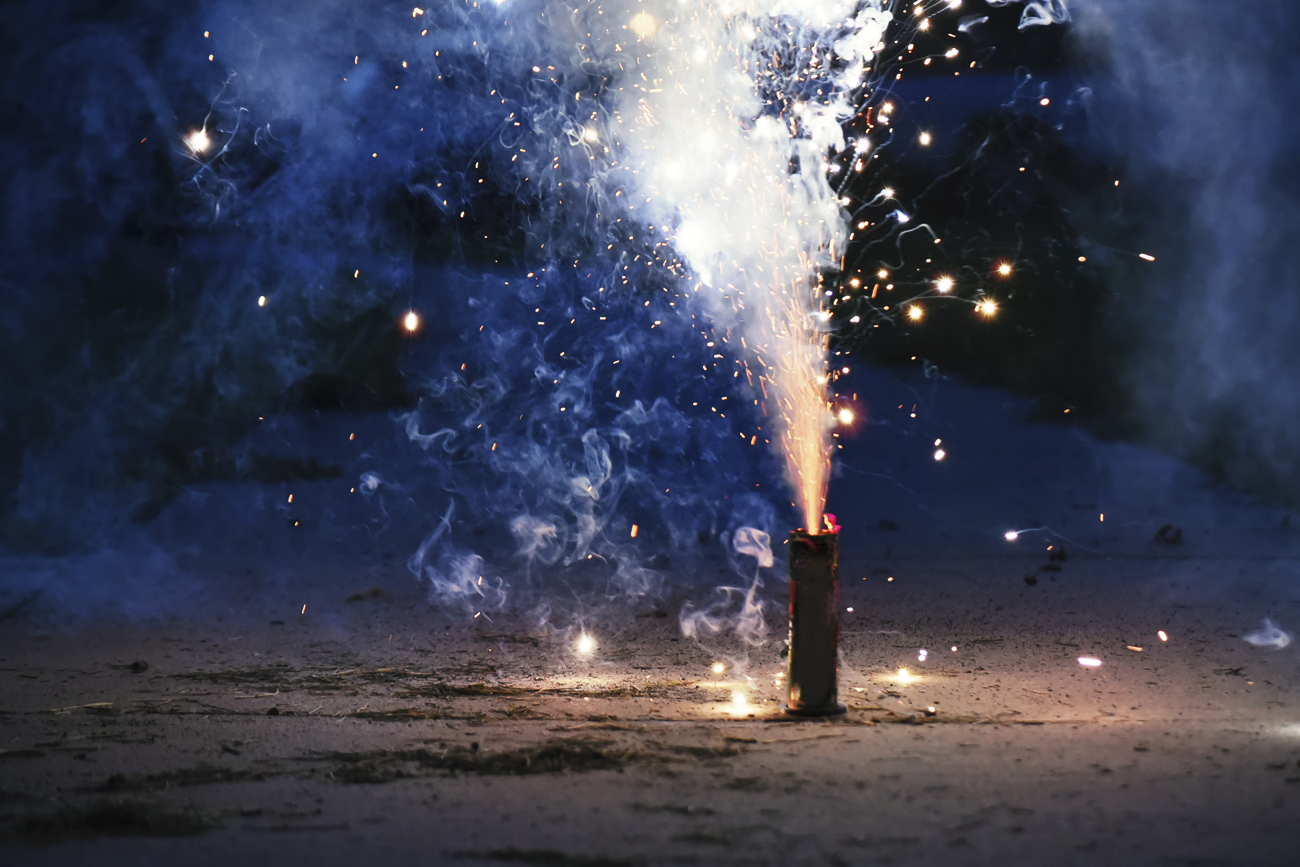
Firecrackers and Pyrotechnics
Imagine the streets of Singapore decades ago during a festival like Chinese New Year—the air thick with smoke, the ground covered in red paper, and the deafening, non-stop crackle of firecrackers. While it was a vibrant part of our culture, it was also incredibly dangerous.
In the 1960s and early 70s, our city was denser and built differently. The unregulated use of fireworks led to a series of tragic fires, destroying homes and causing injuries. Faced with this public safety crisis, the government made a decisive move in 1972 to enact a total ban on the private use of firecrackers.
This single law dramatically reduced fires and has been a cornerstone of our public safety policy ever since.
What This History Means for You Today
Understanding this history explains why the rule is so absolute today. It is not just about stopping noise; it is about preventing disasters in a high-density city. The ban is comprehensive and covers all forms of amateur pyrotechnics, including items you might consider “harmless” in your home country.
You must not pack the following:
The Consequences: It Is Not Just a Confiscation
The law protecting us from the dangers of the past has evolved. Today, these items are regulated under the Guns, Explosives and Weapons Control Act (GEWCA).
Since the legal updates in July 2025, the penalties are severe to reflect the risk to public safety:
The New Tradition: Safe & Spectacular Displays
That festive spirit hasn’t been lost; it has been transformed. Today, the only fireworks you will see are during massive, professionally run public displays sanctioned by the government.
These spectacular shows, like the ones on National Day (August 9th) or New Year’s Eve at Marina Bay, are the modern, safe way we all enjoy fireworks together.
For a truly comfortable trip, our advice is simple: leave the personal pyrotechnics at home and join us in safely watching our stunning professional displays instead.
Prescription & Controlled Medicines
For many travelers, managing personal medication is one of the biggest pre-trip worries, but it doesn’t have to be. Given Singapore’s strict anti-drug laws, all medicines are carefully scrutinized, but a legitimate medical need is always respected. To ensure a comfortable experience, we recommend bringing a copy of your doctor’s prescription or a letter explaining your condition, keeping all medicines in their original packaging, and only carrying a supply reasonable for your trip’s duration.
For most common medications, a supply of up to three months is fine. However, if your medicine contains a controlled substance (such as strong painkillers or some anti-anxiety medication), you may need to apply for pre-approval from Singapore’s Health Sciences Authority (HSA) before your trip. A quick check on their website will give you complete peace of mind and is a simple step for a stress-free arrival.

Certain Food Products
While not as severe as other items on this list, having your favorite snacks confiscated is an uncomfortable and wasteful start to a holiday. Singapore has strict biosecurity rules to protect its unique position as a disease-free island nation. This means most fresh food items are not allowed. As a general guide, it is best to avoid bringing in fresh fruits, vegetables, and meat products like beef jerky or bak kwa.
However, you can bring in small, reasonable quantities of processed food for personal consumption. Up to 5kg or SGD$100 of processed items like biscuits, chocolates, and other shelf-stable snacks are generally permitted. The most comfortable approach is always transparency; if in doubt, just declare your food items to an officer. The worst that can happen is they will be disposed of, which is far better than facing a fine for not declaring them.
Pirated & Counterfeit Goods
As a global hub for business and innovation, Singapore has strong intellectual property laws. It is illegal to bring in pirated or counterfeit goods, which today includes more than just DVDs or software. This extends to counterfeit luxury bags, watches, and electronics. The most comfortable and modern way to enjoy your entertainment is to use your preferred legal streaming services during your visit. With free Wi-Fi widely available, including at Changi Airport, you can easily access your content legally and without hassle.
Obscene Articles & Adult Items
Adult Items and “Obscene” Material Singapore maintains strict laws regarding “obscene articles.” This category generally prohibits the importation of physical pornography (magazines or DVDs) and adult toys. To avoid awkward questions and potential confiscation at customs, it is best to leave these items at home.
Don’t Panic: These Items Are Actually Allowed
With so many strict rules, it’s easy to get confused about what you can bring. Here are two common “false alarms”:
Pack with Peace of Mind
Packing for a trip should be the start of your relaxation, not a source of hidden anxiety. In Singapore, the customs process is designed to be incredibly efficient, but that efficiency relies on travelers arriving well-prepared and informed. When you know exactly what is in your suitcase, you can walk through the arrivals hall with a genuine sense of calm, knowing you are honoring the local standards that keep the city so pristine and safe.
We often find that the stress of “doing something wrong” is much worse than the rules themselves. These regulations exist to maintain the high quality of life you are about to enjoy, from the spotless public spaces to the peaceful atmosphere of the neighborhoods. Taking a few minutes to double-check your luggage against the prohibited list is the ultimate “comfort hack,” ensuring your first impression of the city is one of ease rather than a lesson in local law.
While navigating customs with the right items is easy, maintaining a truly stress-free experience once you leave the airport depends on your awareness of the broader Singapore Laws for Tourists. Understanding these official frameworks ensures that every part of your journey, from the streets to the subways, remains completely relaxing.
Good to Know
After covering the main rules, a few specific ‘what if’ questions might come to mind. We’ve answered the most common ones here to clear up any final doubts, ensuring you can pack with complete confidence.
What about nicotine replacement products like patches or gum? Are they allowed?
Yes, nicotine replacement products that are registered with the Health Sciences Authority (HSA), such as patches and gums, are permitted for personal medical use. Unlike e-cigarettes, these are considered therapeutic products. However, it’s always a good idea to keep them in their original packaging.
I have a prescription for medical cannabis from my home country. Does that grant an exception?
No, it does not. This is a critical point to understand. Singapore law does not recognize foreign prescriptions for cannabis. It remains a Class A controlled drug, and bringing it into the country, regardless of a prescription from another nation, is treated as a serious drug offense.
What should I do if I realize I’ve accidentally packed a prohibited item, like a vape, before I get to customs?
The most comfortable and stress-free action is to be proactive. Before you reach the immigration counter, approach a customs officer at the Red Channel and declare the item. Voluntarily surrendering it shows an intent to comply with the law, and in most cases, for minor infringements, the item will simply be disposed of without a penalty.
Are there amnesty boxes at Changi Airport to dispose of items before immigration?
While Changi Airport doesn’t have specific “amnesty boxes” for the general public, the principle is the same. The Red Channel serves this purpose. By declaring any prohibited or dutiable goods, you are given the opportunity to dispose of them or pay the required duties without facing penalties for non-declaration.
What if I’m just transiting through Changi Airport? Do these rules apply to my carry-on luggage?
If you are a transit passenger and do not pass through immigration to enter Singapore, the country’s import laws (like the ban on vapes) do not apply to your carry-on luggage. However, you must still comply with all international aviation security rules for your connecting flight, including the 100ml limit for liquids, aerosols, and gels.
Are there exceptions for bringing in food for infants, like baby formula, or for special dietary needs?
Yes, practical exceptions are made for these needs. A reasonable quantity of commercially-packaged infant food, such as formula or baby cereal, for consumption during the trip is permitted. The same applies to food required for special dietary or medical needs. For maximum comfort, it’s helpful to have a doctor’s note for any medically required food items.