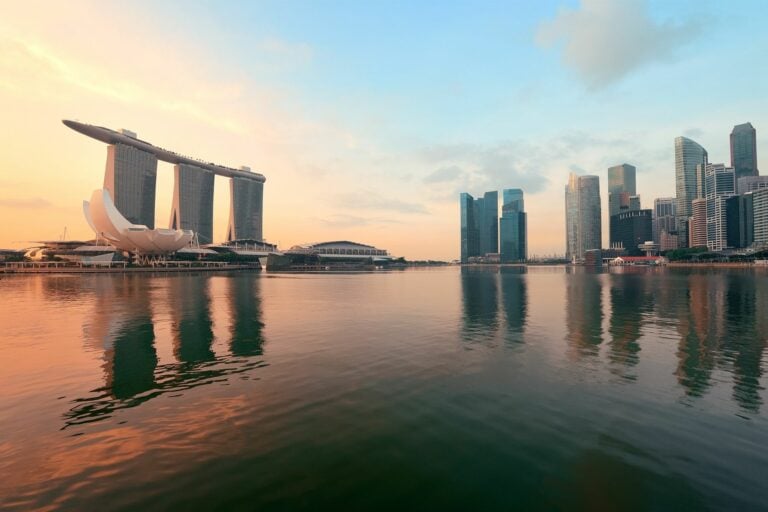
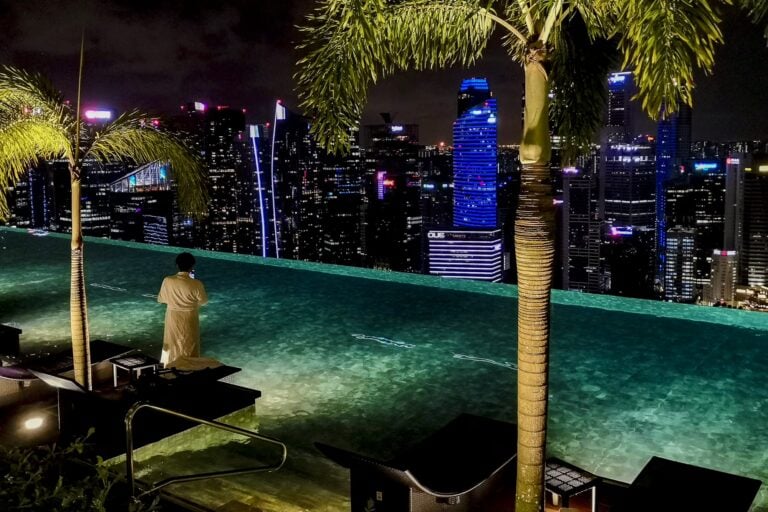
Singapore’s famous comfort isn’t an accident. It’s by design. From our country’s earliest days, our leaders recognized that for a tiny island nation with no natural resources, survival depended on stability and social order. That intense focus on creating a secure society is the primary reason you can now enjoy a city that is incredibly safe and easy to navigate.
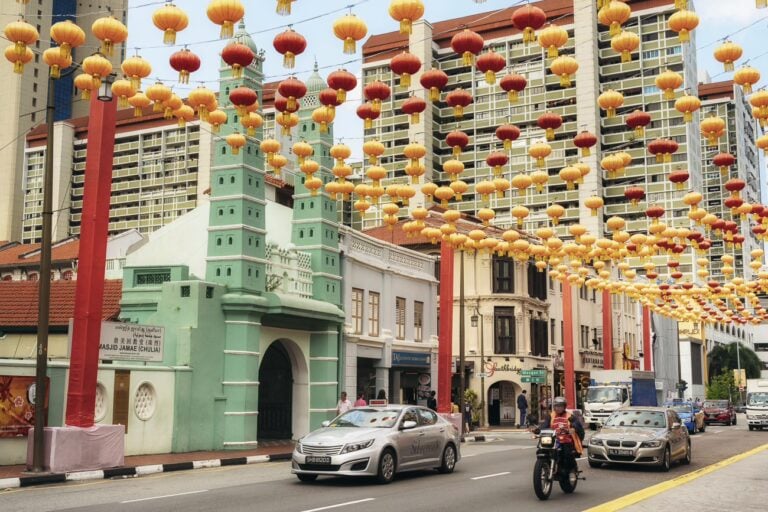
But there’s a deeper reason for our rules that is much more personal to us. Imagine a city where four official languages are spoken, and vibrant Chinese, Malay, Indian, and Eurasian cultures mix every single day. Our strict laws and social etiquette act as a shared language of respect, ensuring that everyone feels comfortable and that our society runs harmoniously.
So while you may have heard about our strict reputation, I want you to see it from a local’s perspective. These aren’t just limitations; they are the bedrock of the seamless and relaxing vacation you came here to enjoy.
Note: This page has affiliate links. We earn a commission at no cost to you. See our policy for more details.
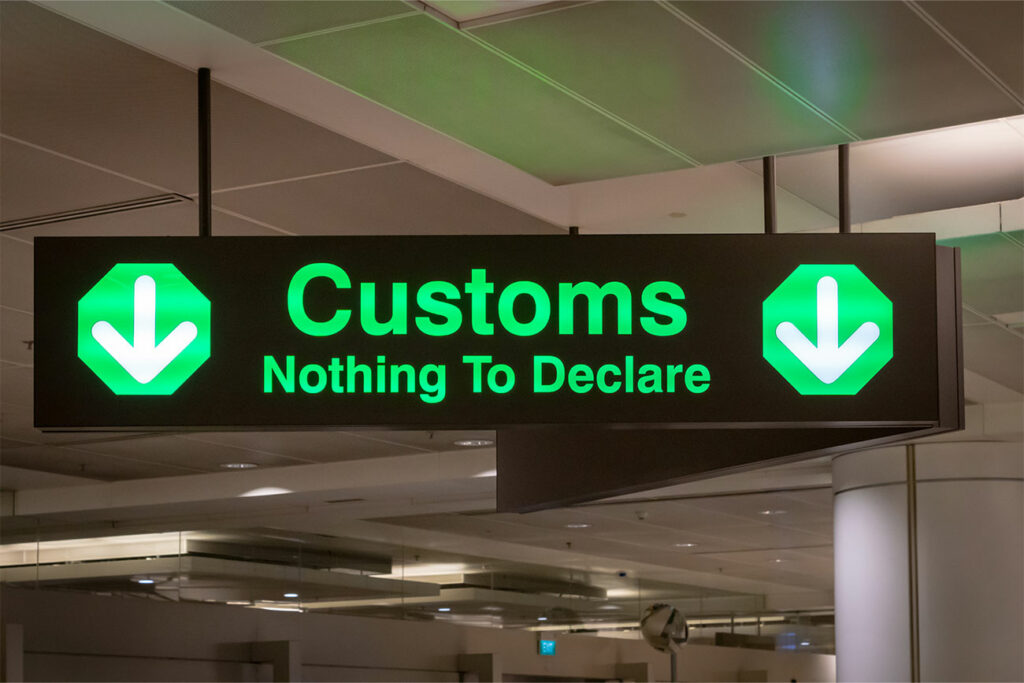
1. Know Your Customs & Duty-Free Allowances
A seamless arrival at Changi Airport sets the tone for your entire trip. To ensure you breeze through customs without a hitch, it is essential to know exactly what needs to be declared at the Red Channel versus what gets a “green light.”
Here are the three key rules to know before you land:
A Comfort Tip: For total confidence, keep a digital photo of receipts for your high-value personal gear (like cameras or luxury bags) on your phone. This simple step proves they are well-loved belongings rather than new purchases, ensuring your arrival remains completely stress-free.
2. Clearing Your Table: A Guide for Every Eatery
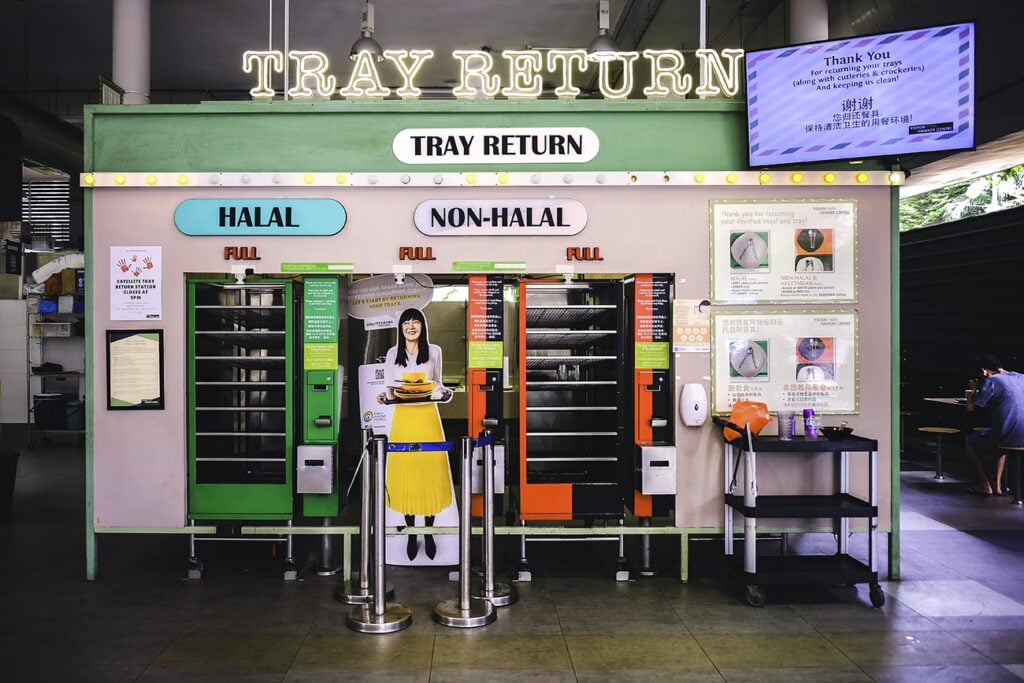
Singapore’s hawker centres are legendary, but the rules for dining there have shifted from simple courtesy to strict law. It is now mandatory to return your tray and used crockery at all public eateries, including food courts and hawker centres. Leaving your table messy isn’t just considered rude; it invites potential fines from active officers who monitor these spaces to ensure compliance.
To dine with confidence, simply follow the “Golden Rule”: if you ordered and paid at a counter—whether at a hawker stall or a fast-food chain—you are expected to clear your own table. This strict policy is designed to improve public hygiene and supports our elderly cleaning staff, allowing them to focus on sanitizing tables rather than the heavy lifting of clearing leftovers.
Be detailed in your observation, as you will often see separate return stations for Halal items (usually marked with green trays), which helps maintain social harmony . While a first offense often leads to a written warning, repeat infractions carry fines starting at SGD$300. Knowing this drill beforehand ensures your meal remains a delicious, worry-free experience.
3. Trash, Littering & Spitting
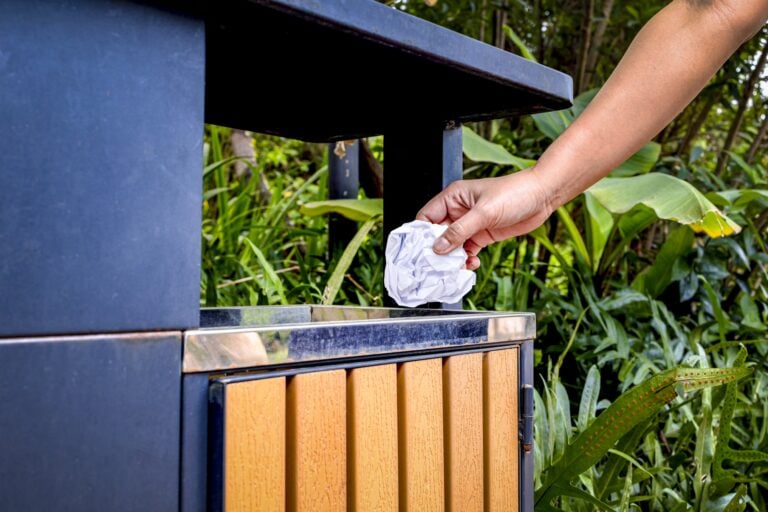
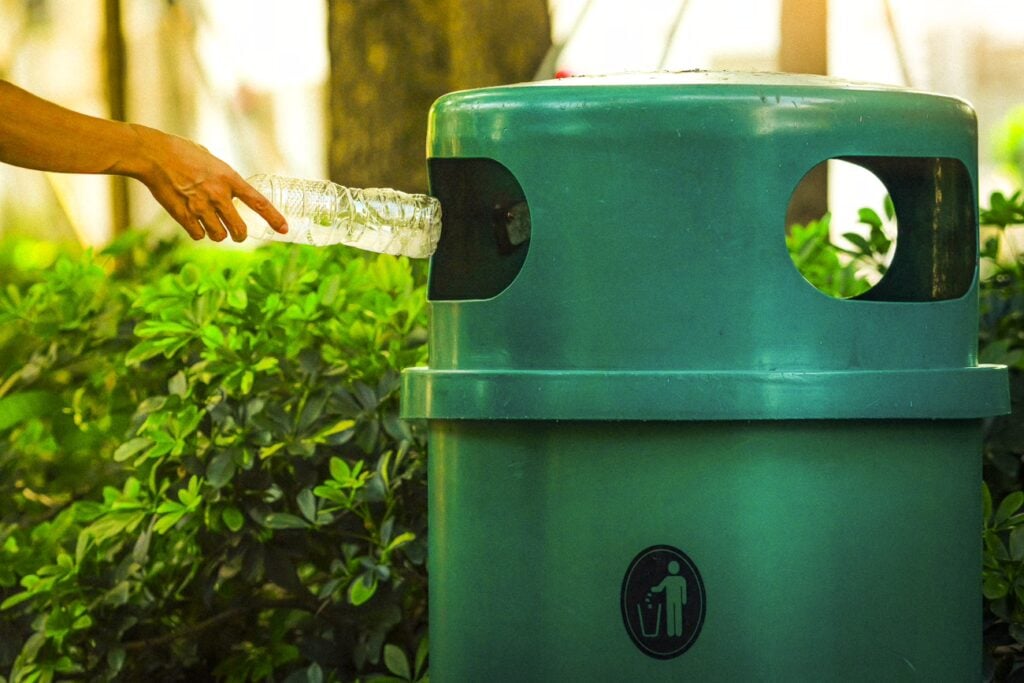
We love Singapore’s pristine streets—they’re a huge part of why walking here feels so effortless and relaxing. But that famous cleanliness relies on strict enforcement, and the definition of “littering” might be much broader than you expect.
To ensure your trip remains a “reward” rather than a stressful encounter, watch out for these specific rules:
To avoid an on-the-spot fine of SGD$300, it pays to know exactly where the line is drawn.
4. Jaywalking & Road Rules
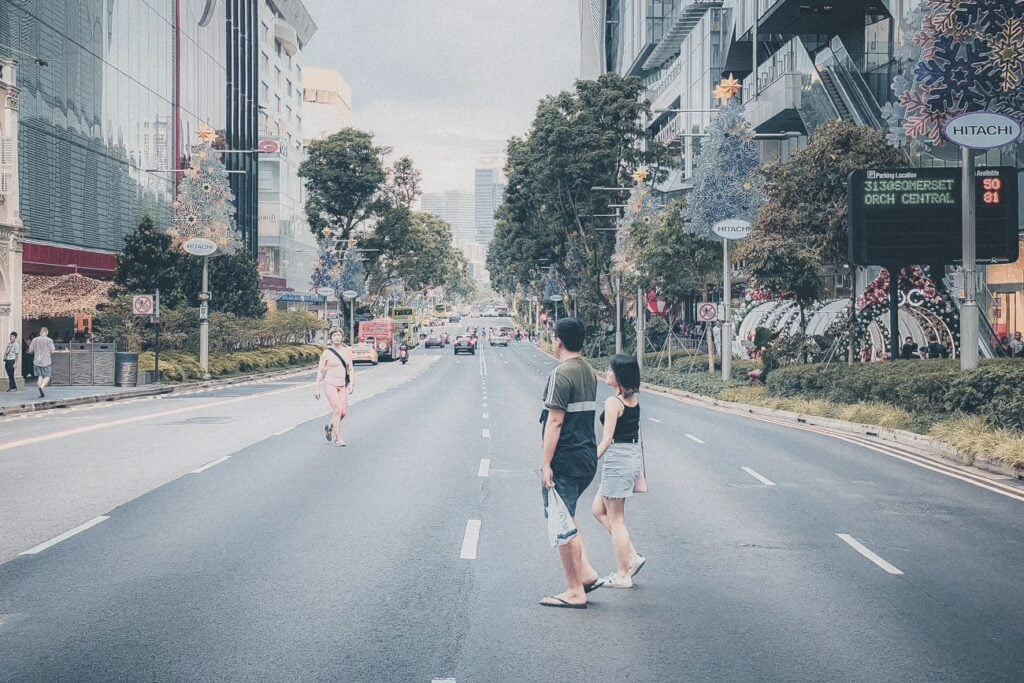
In a fast-paced city like Singapore, road safety is paramount. The golden rule to remember is the “50-Metre Rule.”
If you are within 50 metres of a designated crossing—whether it’s a traffic light, zebra crossing, or overhead bridge—the law requires you to use it.
Don’t fall into the trap of the “convenient dash” to save time when a crossing is nearby. This is the most common way visitors get caught off guard.
While a simple jaywalking offense usually incurs a SGD$50 on-the-spot fine, reckless behavior that endangers traffic can escalate to court charges and fines of up to SGD$1,000.
It’s simply not worth the stress; using the designated crossings is the most comfortable and confident way to navigate the city.
5. Alcohol & Drinking
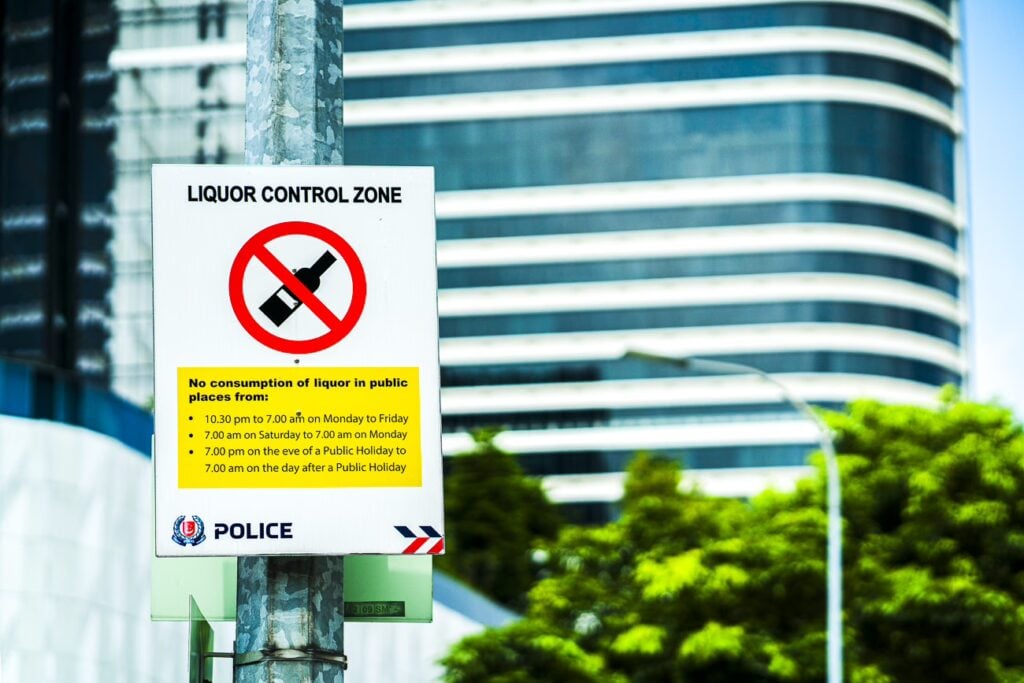
Enjoying a cocktail or a cold beer is a standard part of a holiday, but Singapore has a specific “10:30 PM Curfew” that catches many visitors off guard.
The rule is simple but strict: no drinking in any public place from 10:30 PM to 7:00 AM daily. This includes parks, beaches, and even the scenic bridge at Clarke Quay.
Also, don’t plan on a late-night convenience store run. All shops, including 7-Eleven, are legally required to stop selling takeaway alcohol at 10:30 PM sharp.
For a worry-free night, stick to licensed bars, restaurants, or the privacy of your hotel room, where these rules don’t apply.
Be especially careful in Little India and Geylang, where public drinking is banned for the entire weekend.
Read our full guide on Singapore’s Alcohol Laws & Nightlife Rules
6. Smoking, E-Cigarettes, and Shisha
Singapore has some of the strictest anti-smoking and anti-vaping laws in the world. They are designed to protect the public from secondhand smoke and are enforced very seriously. For tourists, understanding these rules is essential to avoid large fines.
A) Traditional Cigarettes: Understanding the Rules
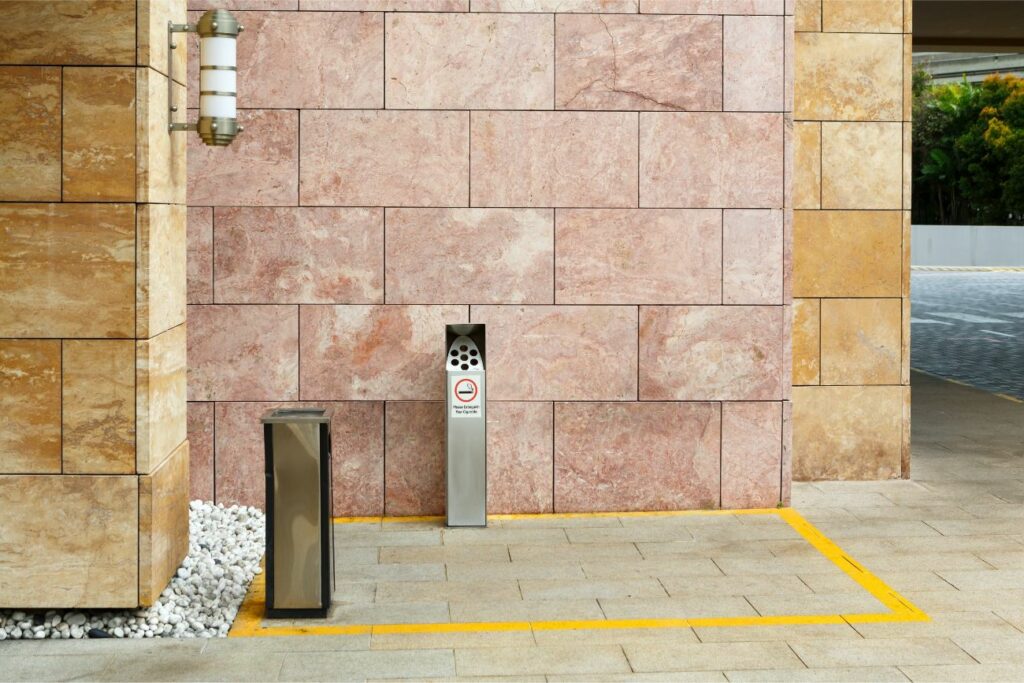
To keep your trip trouble-free, be aware of two critical regulations. First, the No Duty-Free Rule: You must declare and pay tax on all tobacco products at the airport. Second, the 5-Metre Rule: You generally cannot smoke within 5 metres of a bus stop or building entrance. Ignorance of these zones can lead to fines starting at SGD$200. We’ve compiled the complete list of regulations to help you navigate the city without issues.
Get the complete checklist of Singapore smoking laws
B) Vaping & Shisha: A Zero-Tolerance Risk
For modern travelers, this is perhaps the most critical warning to heed: Singapore enforces a strict, zero-tolerance ban on all vaping (e-cigarettes) and Shisha products. Unlike in many other countries, there is absolutely no allowance for “personal use.” Even simple possession of a device can result in an immediate fine of up to SGD$2,000.
Recently, the risks have escalated significantly. Authorities have discovered a trend of vapes being laced with Etomidate, a potent sedative now listed as a Class C illegal drug. This shifts the consequence from a regulatory fine to a serious narcotics investigation.
Why you must leave it at home:

7. Cannabis & Illegal Drugs: A Zero-Tolerance Policy
Singapore has some of the strictest drug laws in the world. These rules apply the moment you step off the plane. This includes a complete ban on cannabis and other narcotics.
Did you use cannabis legally in another country before your flight? You need to be very careful. Authorities can test you upon arrival. If you test positive, you face immediate arrest. Even a medical prescription from home is not valid here.
You must also watch your luggage at all times. The law holds you personally responsible for everything inside your bag. Trafficking carries a mandatory death penalty.
Never agree to carry a package for someone else, even a new friend. Claiming you did not know what was inside is not a valid legal defense. We want you to stay safe and avoid these severe penalties.
Read our full guide on Singapore’s strict drug laws & banned items
8. Photography, Privacy, and Harassment
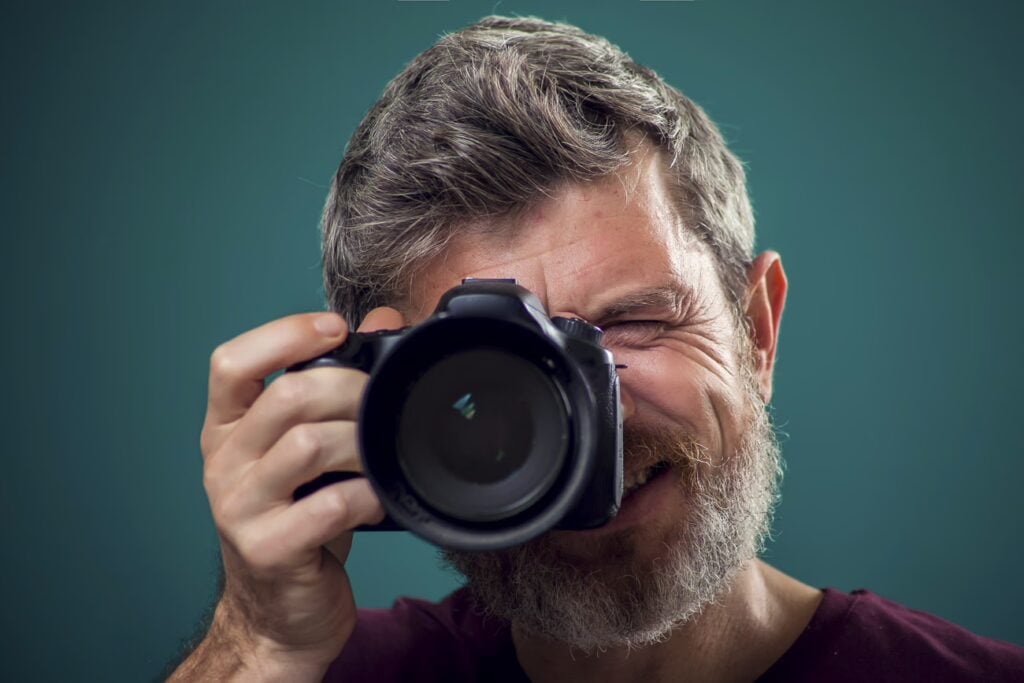
Singapore is a paradise for photographers, and taking photos in public spaces is perfectly legal and acceptable. However, our laws draw a very firm line when a camera is used to harass someone. This section explains that line, the serious consequences of crossing it, and why it means everyone—from ordinary residents to famous celebrities—is protected.
When Photography Becomes Harassment
The most important law a photographer needs to know is the Protection from Harassment Act (POHA). Your photography becomes illegal when it crosses from observation into harassment.
Why You Don’t See Paparazzi: The Law on Stalking
You’ve astutely observed that Singapore doesn’t have the aggressive paparazzi culture seen elsewhere. This isn’t an accident. The same anti-harassment laws that protect everyone else also apply to celebrities and public figures.
The law is very clear on what constitutes “unlawful stalking,” which includes actions like:
The Idol & Fan Scenario
This is where the law directly applies to the “crazy fan” situation. A group of fans who persistently follow a celebrity around Singapore, surrounding them and taking photos against their will, are not just being enthusiastic. If their actions cause the person distress, they are committing the criminal offense of unlawful stalking.
Respecting Private Spaces
The rules change when you point your camera at a private space. People have a right to privacy in their homes or hotel rooms. Using a zoom lens to take photos of people inside these private spaces is illegal. Similarly, businesses like shops and restaurants can prohibit photography on their premises. Always look for and respect “No Photography” signs.
Strict “No-Photography” Zones
For security reasons, there are a few areas where photography is completely forbidden.
- Immigration and Customs: Never take photos inside the immigration halls.
- Military Bases: Do not photograph any military installations.
- Inside Casinos: Photography is not allowed on the gaming floors.
The Simple Takeaway for a Worry-Free Trip
9. Rules for Flying a Drone
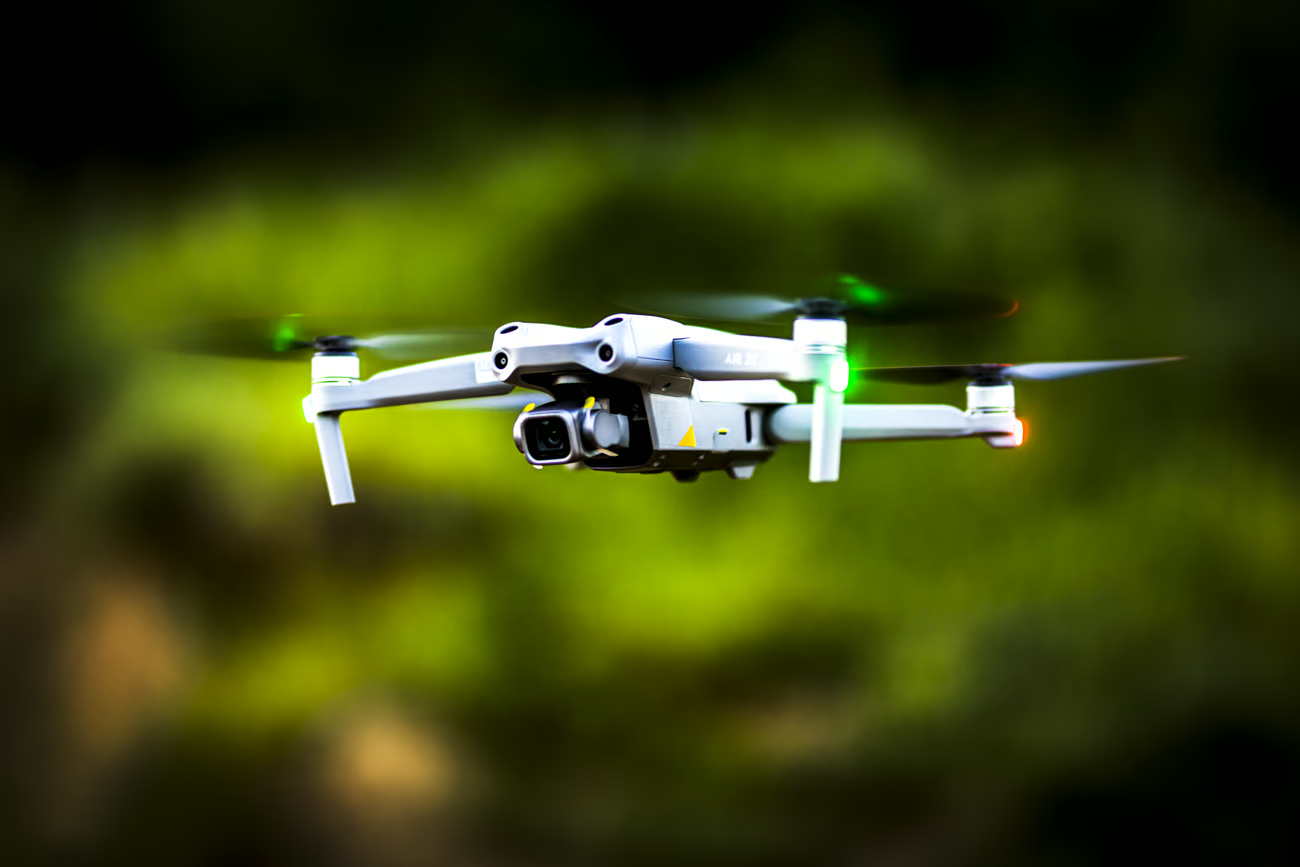
For photography and videography enthusiasts, bringing a drone on vacation is common. However, Singapore’s position as a major international aviation hub means we have very strict rules for all unmanned aircraft. Flying a drone here is not a casual activity; it is regulated under aviation law, and a mistake can lead to severe penalties.
1. Registration and a License Are Almost Always Required
2. “No-Fly Zones” Are Strictly Enforced
This is the most critical rule. Singapore has many restricted areas where you absolutely cannot fly. You must check the official OneMap app (which has a drone-flying map layer) before every flight.
A Warning About Popular Tourist Areas
Many tourists assume they can fly their drones in scenic spots. Please be aware that almost all of central Singapore is a permanent No-Fly Zone due to its proximity to government buildings, the Istana (the President’s office), and sensitive installations. This includes:
Flying a drone recreationally in any of these areas is a serious offense. The beautiful drone footage you see online from these locations is filmed by licensed local professionals who have obtained specific and difficult-to-get permits.
What’s Actually Required for Commercial Use?
The process for flying a drone commercially in Singapore is extremely demanding and designed for locally-based professionals. It is not feasible for a short-term tourist to complete. The key steps include obtaining a full pilot license (UAPL), registering as an operator, and applying for specific permits for every single flight, including detailed risk assessments.
A Real-World Example of the Consequences
These rules are not just theoretical. In a well-publicized case, a man was fined SGD $51,000 for flying his drone illegally near a military airbase. His actions were so dangerous that they forced the Republic of Singapore Air Force (RSAF) to divert two of its aircraft to avoid a potential collision.
The Penalties
Breaking these rules can result in:
My Advice for a Comfortable Trip
For a short-term tourist, navigating these rules can be very challenging. The safest and most stress-free approach is often to leave your drone at home. If you are a serious hobbyist, you must do your research on the official CAAS website detailing all regulatory requirements and complete all necessary steps before your trip.
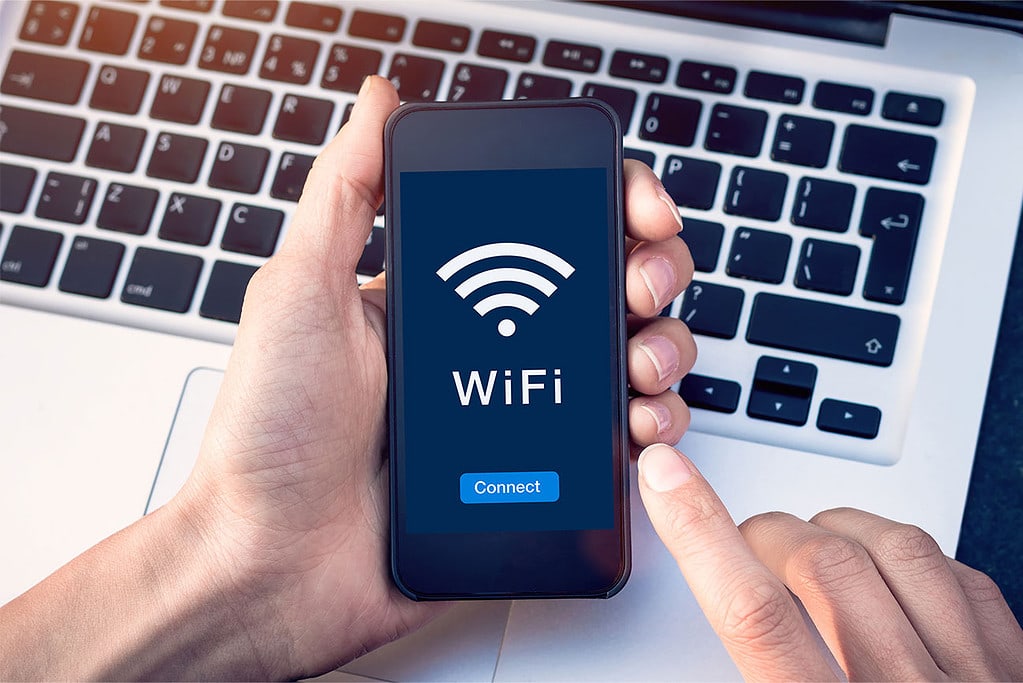
10. Dos and Don’ts of Using Wi-Fi
In today’s connected world, seeking out free Wi-Fi is second nature. However, in Singapore, one common habit could get you into serious trouble. This is a strict rule that every visitor needs to know.
The Law: What is Actually Illegal?
Connecting to any private Wi-Fi network without the owner’s explicit permission is considered a crime under the Computer Misuse Act.
Yes, you read that right. The law views it as a form of hacking.
Scenario: The Illegal Connection
Imagine you are walking down the street and your phone shows an unlocked Wi-Fi network with a name like “LINKSYS,” “HomeNetwork,” or “Sarah’s iPhone.” You connect to it because it has no password.
This is an illegal act. You are accessing a private network without permission. While it’s unlikely the police are hunting for tourists, it’s still a risk you should never take.
So, How Do I Get Online Safely and Legally?
The rule is simple: You are safe if you have been given permission to connect. Here’s what that looks like in practice:
The Hidden Danger: Fake “Honeypot” Networks
There’s another reason to be cautious. Criminals sometimes set up fake, unsecured Wi-Fi networks with tempting names like “Free_Mall_Wifi” in public areas. These are traps designed to steal your passwords and credit card information the moment you connect.
Your Best and Safest Options:
For a truly worry-free trip, the best ways to stay connected are:
- Buy a Tourist SIM Card: You can get a physical SIM card right at the airport or at any convenience store. This is a reliable and easy option.
- Use an eSIM: If your phone supports it, you can buy and activate a Singapore data plan online, often before you even travel. This is incredibly convenient as you can get connected the moment you land.
- Rent a Portable Wi-Fi Router: This is a great choice for families or groups, as one device can provide a secure Wi-Fi hotspot for multiple phones and laptops. You can book one online and pick it up at the airport.
- Connect to Official Public Wi-Fi: Stick to the official Wireless@SGx network when you are out and about in malls or at public attractions.

11. Feeding Wildlife & Leaving Food Out
While it can be tempting to share a piece of your snack with an animal, Singapore has very strict laws about both feeding wildlife and leaving food in public spaces. Here’s how the two rules work together.
The Main Rule: Do Not Feed Any Wildlife
It is illegal to feed any wild animal in Singapore. This law exists to keep wildlife from becoming dependent on humans, which can make them aggressive or a public nuisance.
This includes common animals a tourist might see:
The penalty under the Wildlife Act is severe: a fine of up to SGD$5,000 for a first offense.
The Connection to Littering: Leaving Food Out
This is where the rules can overlap and be confusing. In Singapore, leaving food unattended in a public place is considered littering.
The fine for littering is SGD$300 for a first offense. So, even if you are not directly feeding an animal, leaving food out for them can still get you fined.
The One Big Exception: Stray Cats & Dogs
Community animals like stray cats and dogs are not considered “wildlife,” so it is not illegal to feed them.
However, the littering rule still applies very strictly.
Main Takeaway
The simplest way to enjoy our city’s amazing wildlife is from a respectful distance. Take photos and admire them, but please do not offer them food. For community cats and dogs, if you choose to feed them, be a responsible feeder and clean up completely. It’s how we all work together to keep Singapore clean and live in harmony with our animal friends.
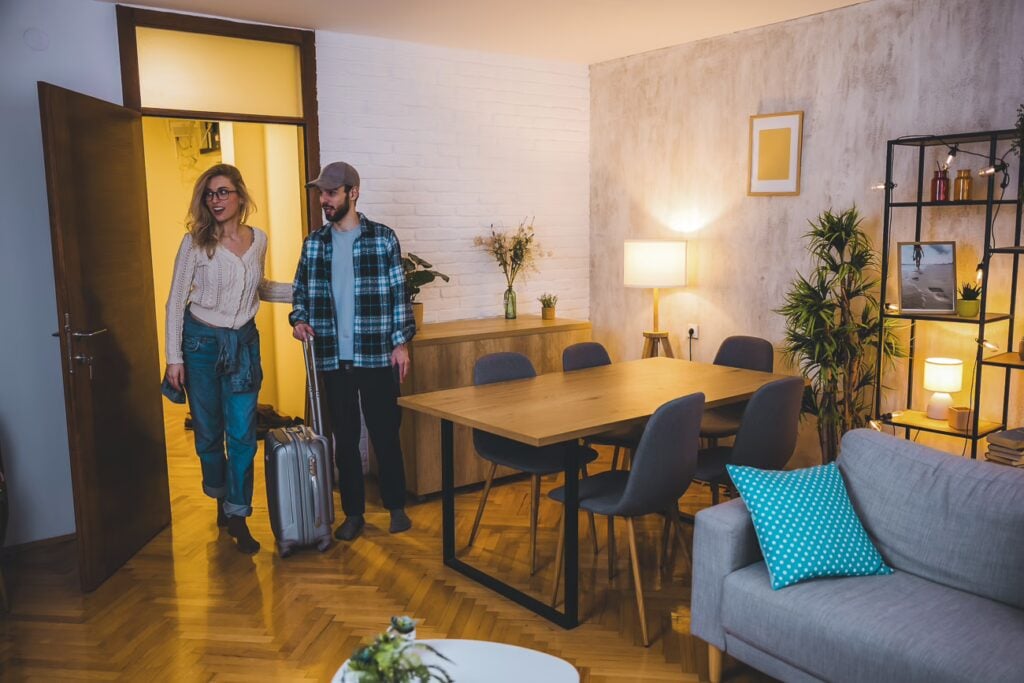
12. Short-Term Rentals & Homestays
For a comfortable and local experience, booking a private apartment on a platform like Airbnb or VRBO can seem like a great idea. However, in Singapore, you must be extremely cautious as our laws on this are very strict and can be confusing.
The Law Explained
In Singapore, the government makes a clear distinction between private property and public housing (HDB flats), where over 80% of locals live.
This means that the vast majority of short-term vacation listings you see on these rental platforms, especially those for a few days or weeks, are not operating legally.
What About Listings Called a “Homestay”?
You will see many listings on rental sites described as a “homestay.” It is very important to understand that this name does not change the law. If a host is charging you money to rent a room in their home for less than the legal minimums (3 months for private, 6 for HDB), it is still considered an illegal short-term rental.
The Real Risks for You, the Tourist
While the severe legal penalties are for the homeowner, your dream vacation can be severely impacted. You will not be arrested or fined, but you face very real problems:
The Big Exception: Staying with Friends or Family
So, what if you are genuinely staying with a friend who lives in Singapore?
This is perfectly legal and a wonderful way to experience the city! The law only applies to commercial transactions where money is being paid for accommodation.
If you are staying in your friend’s spare room as their guest and no rental is being charged, you are not breaking any laws. This is simply having a friend stay over, which is a normal, everyday activity that the rules are not designed to prevent.
The Single Most Important Thing to Know
To guarantee a secure, legal, and stress-free stay, it is highly recommended that you book your paid accommodation at a licensed hotel, serviced apartment, or licensed hostel. This ensures your booking is completely legitimate and that you have a comfortable, worry-free place to rest your head at night.
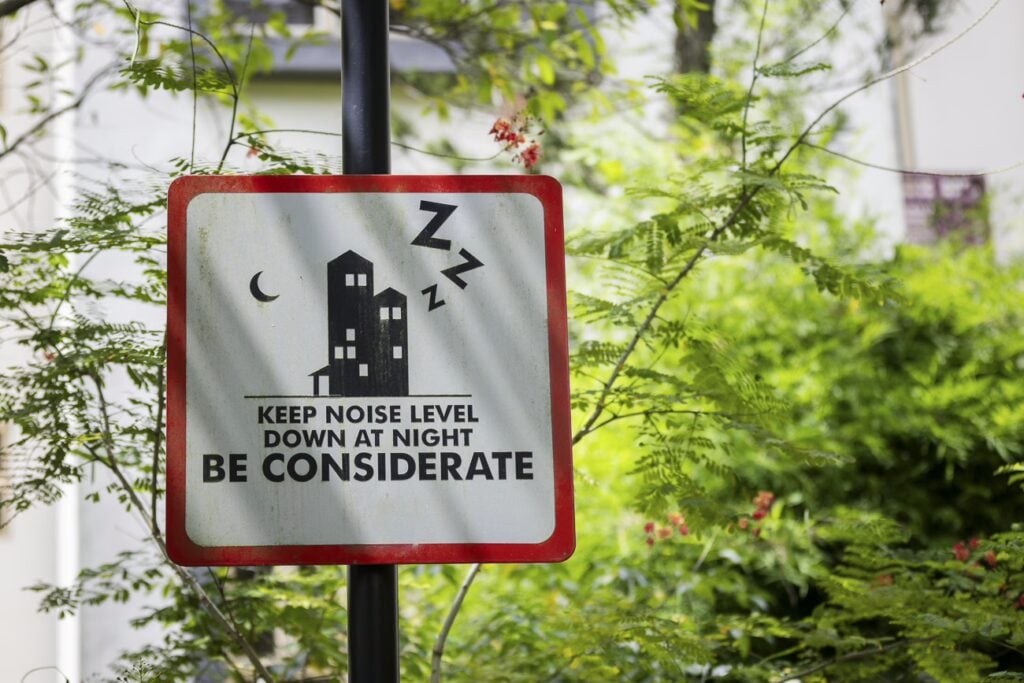
13. Noise & Public Disturbance: Reading the Room
In Singapore, noise laws focus heavily on context. While “disorderly conduct” (like aggressive shouting) is never tolerated, acceptable volume levels shift drastically depending on your location . To stay comfortable and confident, simply recognize your zone:
To respect local culture, lower your volume near homes after 10:30 PM. Regardless of location, “disorderly conduct”—like aggressive shouting or visible drunkenness—is a serious offense enforced to ensure safety for everyone .
Read the full guide on Singapore’s Noise & Public Order Laws
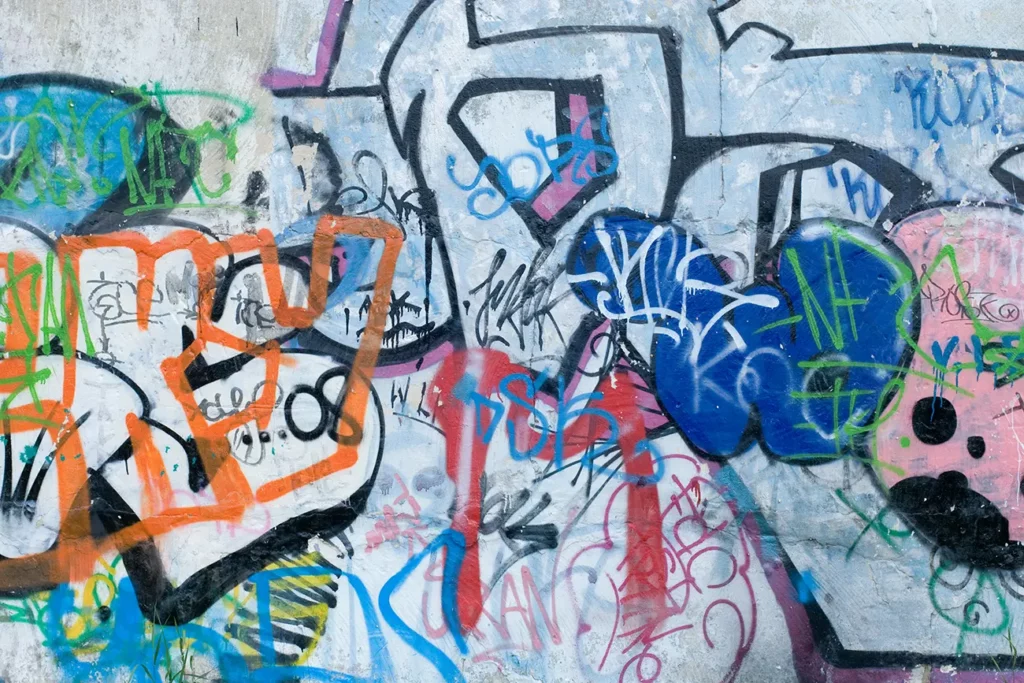
14. Vandalism, Graffiti, and Street Art
In Singapore, we take immense pride in our clean, safe, and well-maintained public spaces. Because of this, our laws against vandalism are extremely strict and cover a wide range of actions. For a tourist, it’s important to understand what this means in practice.
What Is Considered Vandalism?
The Vandalism Act covers much more than just spray-painting a wall. It includes any act that damages or defaces public or private property without the owner’s permission.
Legal Street Art vs. Illegal Graffiti
This is a very important distinction for a visitor. You will see incredible, large-scale murals and vibrant street art in areas like Haji Lane, Little India, and Chinatown.
Understanding the Severe Penalties
The penalties for vandalism are severe, which is why our city remains so well-kept.
This mandatory punishment is consistently applied. It famously gained global attention in 1994 when an American teenager was caned for vandalizing cars. More recently, in 2015, two German men were also sentenced to caning and prison for spray-painting a public train carriage.
The Non-Negotiable Rule
While the penalties are severe, the rule is very simple to follow. Please respect our public and private property. Take photos of our beautiful street art, but don’t add to it. It’s this shared respect for our environment that makes Singapore such a pleasant and comfortable place for everyone to enjoy.
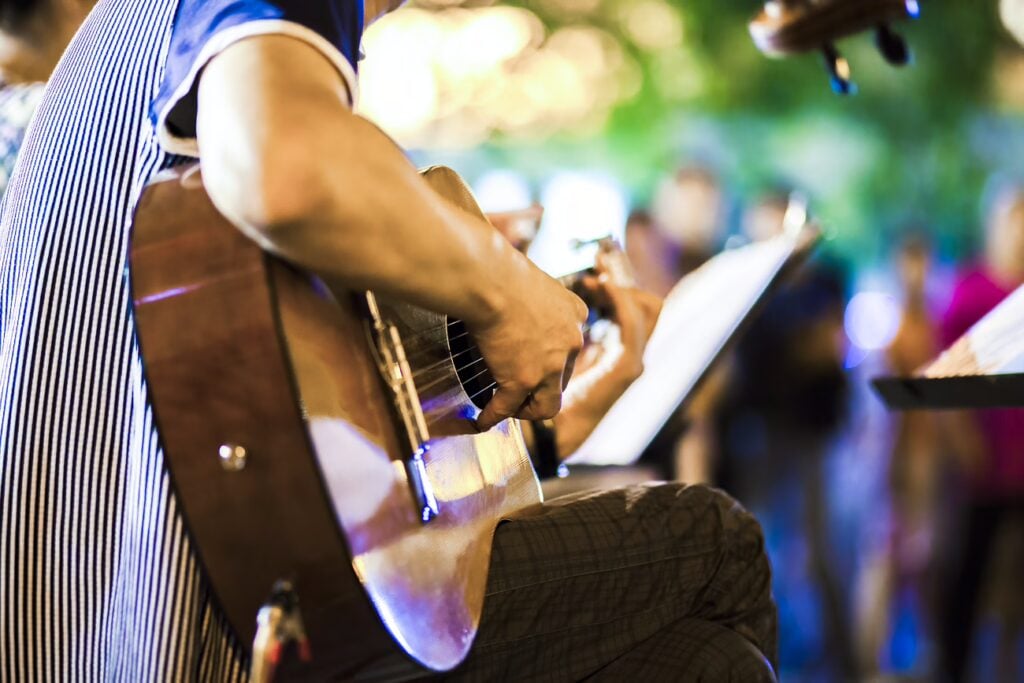
15. Busking and Street Performances
As you explore Singapore, you’ll discover a vibrant and high-quality street performance scene. From musicians to magicians, these performances are a celebrated part of our city’s culture. However, this is not a free-for-all; the system is highly regulated.
Understanding Singapore’s Official Busking Scene
The talented performers you see are not there by chance. They are all part of the official Busking Scheme managed by our National Arts Council (NAC).
The Rule for Tourists: A Very Clear Line
The law draws a very sharp line between performing for money and playing for personal enjoyment.
1. Performing for Money (Illegal Busking)
This is a serious offense. If you play music, sing, or perform any act and solicit or accept donations—even just putting an open guitar case on the ground—you are engaging in illegal busking.
2. Playing for Fun (Recreational Activity)
What if you are not asking for money? Is it okay to play your guitar in a park with friends?
This idea of “public disturbance” also connects to a famous urban myth about performing in Singapore. While you won’t get in trouble for just singing, the actual law is more specific and relates to causing a public nuisance or using obscene lyrics. To understand the real story behind this famous law, it’s worth reading our detailed guide that answers the question: Is it illegal to sing in Singapore?
Key Takeaway
The rule for any visitor is very clear:
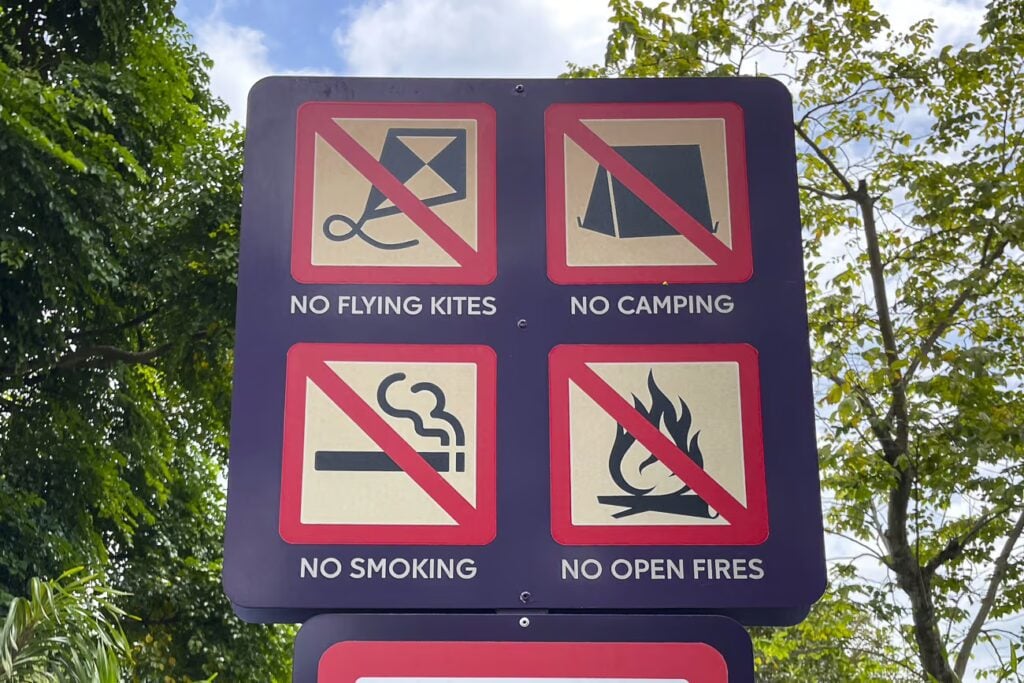
16. Flying Kites Safely & Legally
Flying a kite on a breezy day at a park is a popular and enjoyable activity in Singapore. However, because Singapore is a major global aviation hub with a very busy airspace, there are strict rules in place to ensure this simple pleasure doesn’t turn into a major hazard.
The Law and Reason It Exists
The rules for kite flying are set by the Civil Aviation Authority of Singapore (CAAS) and are governed by the Air Navigation Order. The primary reason for this law is aviation safety. A kite with a long line, especially one made of strong or metallic material, can pose a serious threat to aircraft. If a kite or its line gets entangled in an airplane’s engine or flight controls during takeoff or landing, the consequences could be catastrophic. The law is in place to protect aircraft and the people in them.
What The Law Prohibits
Specifically, it is illegal to fly a kite:
A Real-World Example of the Danger
There have been real incidents that highlight the seriousness of this rule. In one widely reported case, a large kite crashed near Changi Airport, and its 100-metre-long metallic string was found lying across a road near the runway. The Civil Aviation Authority of Singapore (CAAS) had to issue a public warning, emphasizing that such an incident could have caused a “major aircraft accident.” This is not a theoretical risk; it’s a real danger the authorities must prevent.
The Consequences
Because the risk to aviation is so severe, the penalties are designed to be a strong deterrent. Anyone found guilty of flying a kite in a way that endangers an aircraft can face a fine of up to SGD$20,000. Repeat offenders can face higher fines and even imprisonment.
Tourist’s Guide to Safe Kite Flying
This rule isn’t meant to stop you from having fun. It’s about making sure you do it in a safe location.
The most popular and safest place to fly a kite in Singapore is at the Marina Barrage. Its wide-open rooftop green space, strong winds, and location away from flight paths make it the perfect spot. You will see many locals and tourists there enjoying this activity safely. Just look for the signs that indicate the designated kite-flying area.
17. Food & Drinks on Public Transport
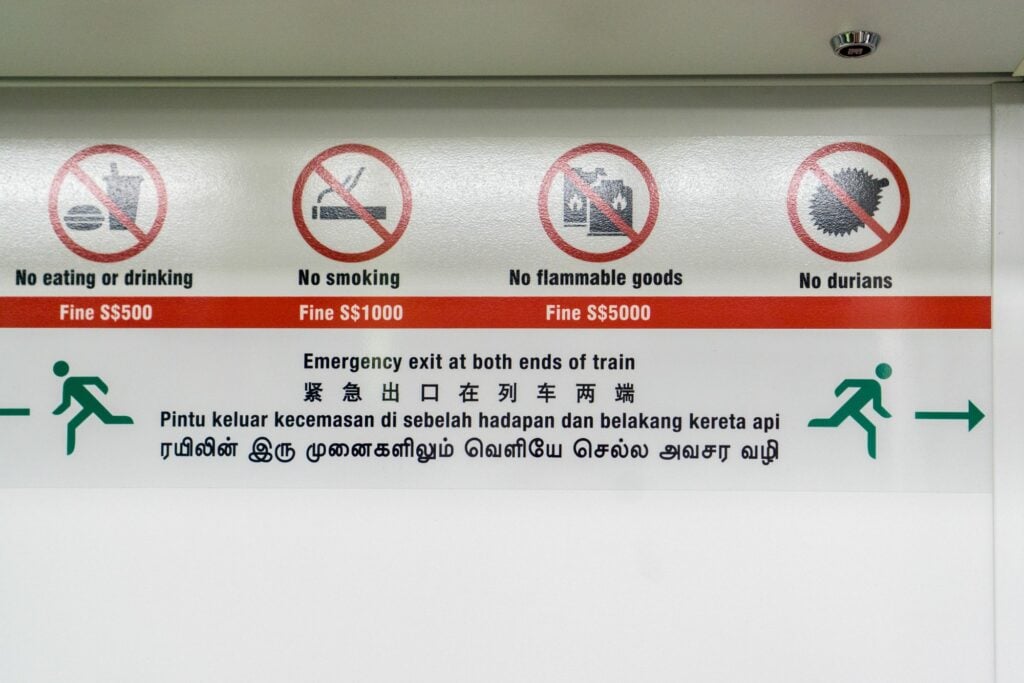
The cleanliness of Singapore’s MRT isn’t an accident; it’s the result of a strict law that applies the moment you pass the fare gates. The prohibition on consuming anything is absolute.
The Common Tourist Traps: Don’t get caught by assuming “small” things don’t count.
Carrying vs. Consuming: You are perfectly free to carry sealed takeaway food (“dabao”) back to your hotel. While you can carry regular food, the Durian fruit is completely banned from all trains and buses due to its overwhelming smell—even if it is sealed in a bag.
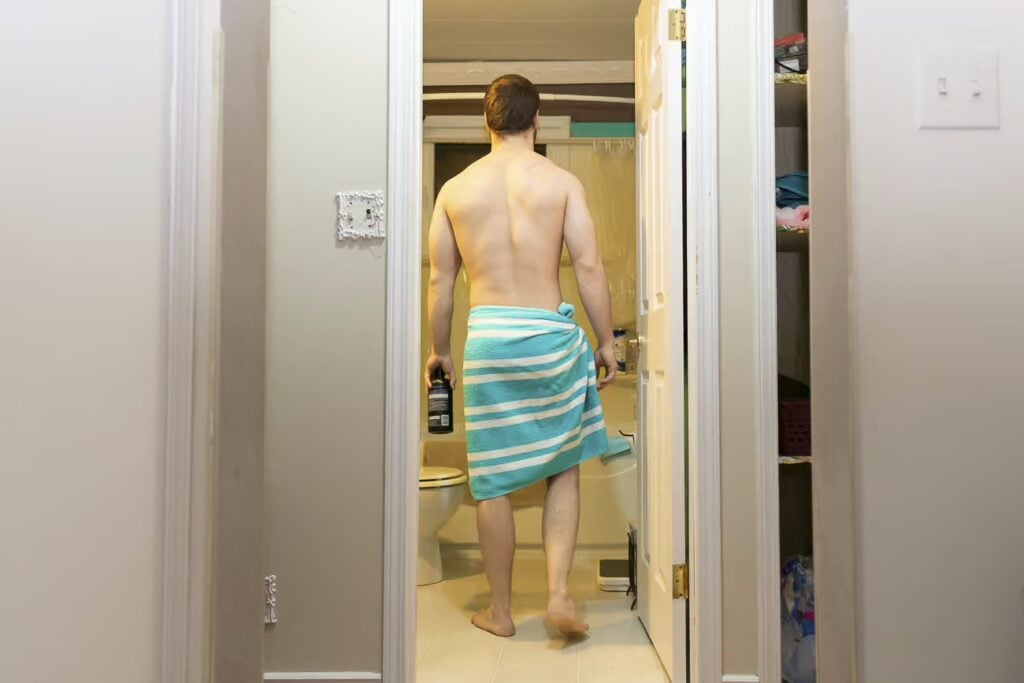
18. Understanding Singapore’s Modesty Laws
While Singapore feels hyper-modern, it retains a socially conservative core that deeply values personal boundaries. To navigate these norms with total confidence and avoid accidental embarrassment, keep these three specific distinctions in mind:
Read our detailed guide to Social Etiquette & Public Decency in Singapore
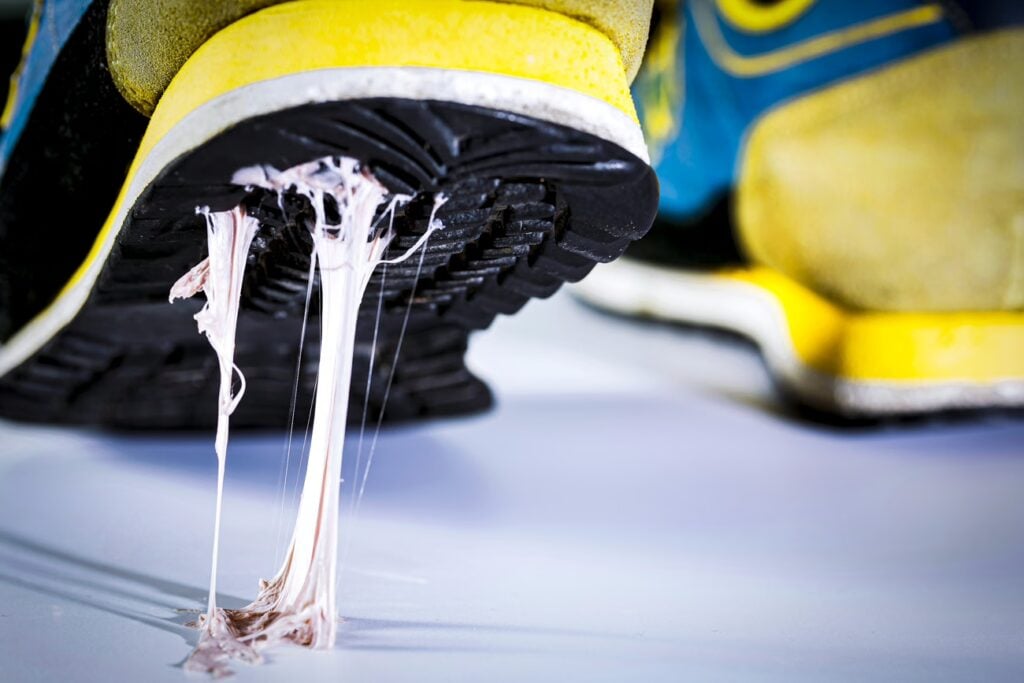
19. The Famous Chewing Gum Rule
We all want a smooth arrival at Changi Airport, and knowing what not to pack is the secret to a seamless entry. While you might hear rumors about strict crackdowns, the law is actually quite practical. It targets the importation and sale of gum—not the act of chewing it—a measure established in 1992 to protect the city’s public transport sensors and maintain the pristine streets you’ll soon enjoy.
For a truly worry-free trip, keep these nuances in mind:

20. Total Ban on Firecrackers
Imagine the streets of Singapore decades ago during a festival like Chinese New Year—the air thick with smoke, the ground covered in red paper, and the deafening, non-stop crackle of firecrackers. While it was a vibrant part of our culture, it was also incredibly dangerous.
In the 1960s and early 70s, our city was denser and built differently. The unregulated use of fireworks and firecrackers led to a series of tragic and devastating fires, which destroyed homes, caused injuries, and even led to loss of life.
Faced with this public safety crisis, the government made a decisive move. In 1972, a total ban on the private use of firecrackers was enacted. This single law dramatically reduced fires and has been a cornerstone of our public safety policy ever since.
What This Historic Ban Means for You Today
This history is why the rule is so absolute. The ban is comprehensive and covers all forms of amateur pyrotechnics, including items you might consider harmless in your home country.
The New Tradition: Safe & Spectacular Displays
That festive spirit hasn’t been lost; it has been transformed. Today, the only fireworks you will see are during massive, professionally run public displays sanctioned by the government. These spectacular shows, like the ones on National Day (August 9th) or New Year’s Eve at Marina Bay, are the modern, safe way we all enjoy fireworks together.
The law protecting us from the dangers of the past is the Arms and Explosives Act. To this day, anyone caught illegally possessing or setting off any kind of fireworks faces severe penalties, including a fine of up to SGD$5,000 and potential imprisonment.
The rule for a visitor is simple: please leave all your fireworks at home and join us in safely watching our stunning professional displays instead.
21. Racism, Discrimination & Religious Insults
You’ll quickly notice that Singapore is a vibrant tapestry of cultures living side-by-side. This rare harmony is built on the twin pillars of multiracialism and meritocracy.
This isn’t just a happy accident; it’s a protected standard. To ensure every interaction remains respectful and peaceful, the country maintains a strict, zero-tolerance policy regarding racial and religious disrespect.
This commitment goes deep. Institutions like the Presidential Council for Minority Rights actively review laws to ensure no community is disadvantaged.
For you as a visitor, these standards are the bedrock of the safe, welcoming environment you came here to enjoy. It means you can explore diverse neighborhoods with a sense of security and ease.
However, for a truly worry-free trip, it’s essential to understand that these boundaries extend beyond face-to-face conversations. The law applies equally to your digital footprint and social media posts while you are here.
22. Urinating in Public & Not Flushing Toilets
Singapore’s reputation as a “Clean & Green City” is maintained by strict laws designed to ensure high standards of hygiene for everyone. To keep the city comfortable for all, two specific rules are strictly enforced:
It is a small act of responsibility that keeps the city comfortable for the next person.
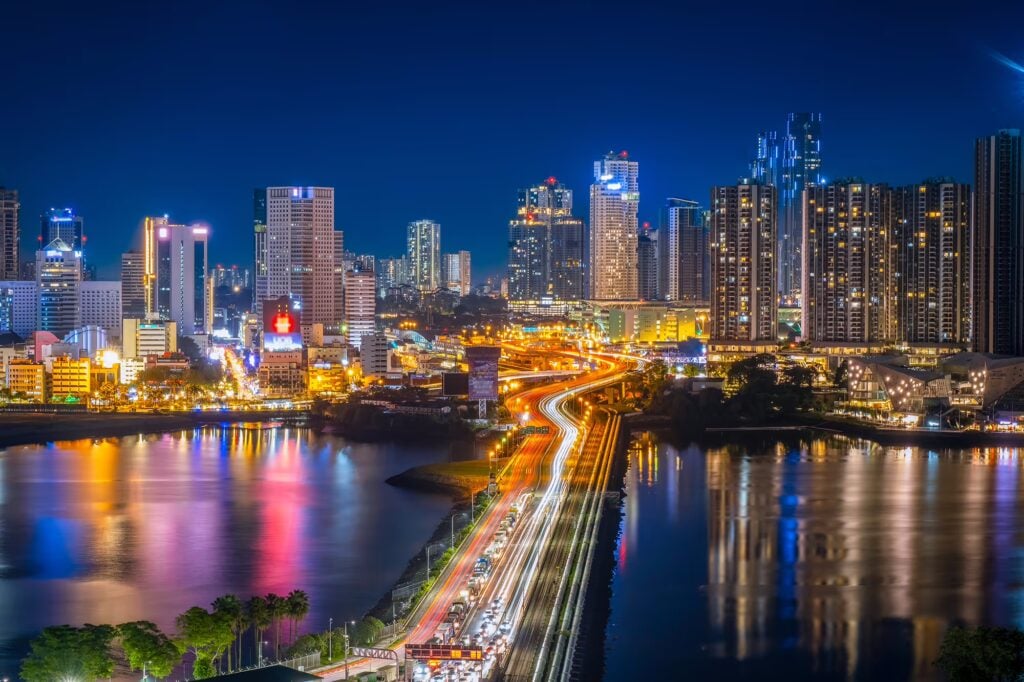
23. Traveling between Singapore & Malaysia
Travel between Singapore and Johor Bahru (JB), Malaysia, is extremely common for both locals and tourists. While it’s a quick trip, it’s important to know that the customs rules at our busy land checkpoints (like Woodlands and Tuas) are different from those at the airport.
This guide covers the key rules for both entering Singapore from Malaysia and exiting Singapore to Malaysia.
Entering Singapore from Malaysia: Key Rules to Know
1. The GST Rule for Shoppers
This is the most important rule for those returning from a shopping trip in JB.
2. Bringing Food Back to Singapore
Singapore has strict food safety rules to prevent the spread of animal diseases.
3. Other Prohibited & Controlled Goods to Know
Beyond just food, Singapore Customs has a strict list of items that are either completely prohibited or require a special permit to bring into the country.
Exiting Singapore to Malaysia: A Special Rule for Drivers
If you happen to rent a Singapore-registered car with the intention of driving into Malaysia, there is one critical rule you must know before you leave.
The “Three-Quarter Tank” Rule: It is illegal for a Singapore-registered vehicle to leave Singapore without its fuel tank being at least three-quarters full. Officers will check the fuel gauge at the exit checkpoint. This rule is in place to limit cars from refueling with cheaper petrol in Malaysia.